


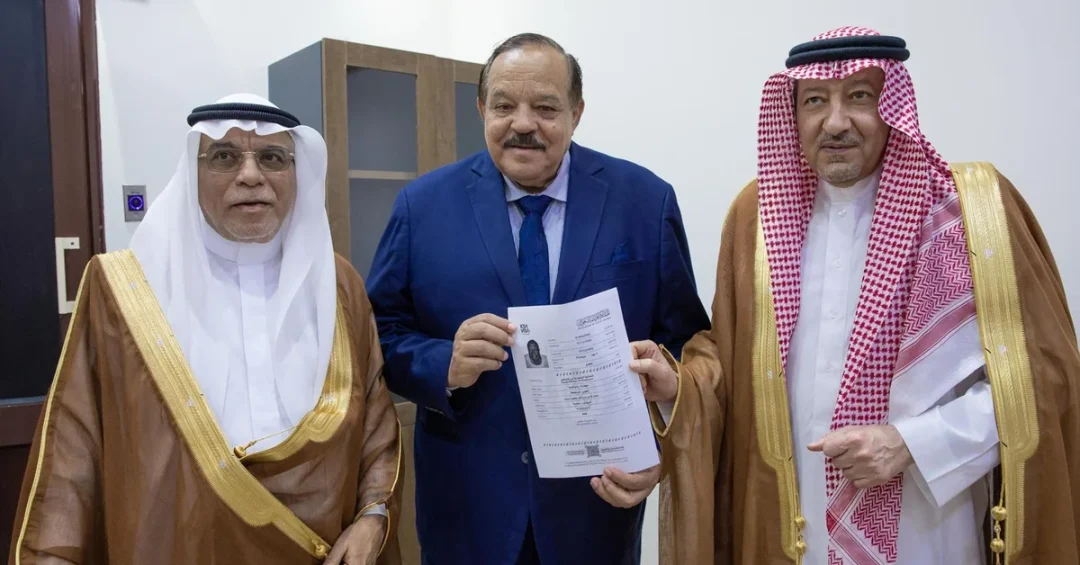
Vice Minister of Foreign Affairs Eng. Waleed bin Abdulkarim El-Khereiji inaugurated the consular section at the Embassy of the Kingdom of Saudi Arabia in Port Sudan on December 22, 2024, marking a significant expansion of Saudi Arabia’s diplomatic and consular services in the Republic of Sudan. The ceremony was attended by Acting Foreign Minister of the Republic of Sudan Ali Youssef, underscoring the depth of bilateral relations between Riyadh and Khartoum. The opening of the consular section represents a practical step to enhance services for Saudi citizens and Sudanese nationals, facilitating visa processing, document authentication, and other essential consular functions.
Why does this development matter at a time of regional transformation and growing demand for efficient diplomatic services? The inauguration reflects Saudi Arabia’s continued commitment to maintaining robust diplomatic ties with Sudan, a strategically important partner in the Red Sea region and a nation with deep historical, cultural, and economic connections to the Kingdom. The new consular section is expected to streamline procedures for Sudanese pilgrims, students, workers, and businesspeople seeking to engage with Saudi Arabia, while also supporting Saudi citizens residing in or traveling to Sudan. This step aligns with the Kingdom’s broader efforts to modernize its diplomatic infrastructure and deliver high-quality services abroad, consistent with the objectives of Saudi Vision 2030.
Context and Background
What historical and strategic factors make Sudan a key partner for Saudi Arabia in Africa and the Red Sea region? Sudan occupies a unique position in Saudi foreign policy, sharing a coastline along the Red Sea and serving as a bridge between the Arabian Peninsula and the African continent. The relationship between Riyadh and Khartoum has long been characterized by mutual respect, economic cooperation, and people-to-people ties. Over the decades, Saudi Arabia has provided development assistance, investment, and diplomatic support to Sudan, particularly during periods of transition. The opening of the consular section in Port Sudan, the country’s primary seaport and a vital economic hub, signals a renewed focus on delivering tangible services that benefit both nations.
The timing of this inauguration is significant. Port Sudan has emerged as a critical administrative and commercial center, and the presence of a fully operational consular section there enhances Saudi Arabia’s ability to respond to the needs of its citizens and Sudanese applicants. The Vice Minister’s visit and the ceremony with Acting Foreign Minister Ali Youssef also highlight the ongoing diplomatic engagement between the two countries. Saudi Arabia has consistently advocated for stability, development, and prosperity in Sudan, and this consular expansion is a concrete manifestation of that commitment. It also complements the Kingdom’s wider strategy of strengthening ties across Africa, a continent that is increasingly central to global trade and investment.
Key Details of the Inauguration
What specific services will the new consular section provide, and how will it improve the experience for applicants? According to the official announcement carried by the Saudi Press Agency (SPA), the consular section will offer a full range of services, including visa issuance for Sudanese citizens traveling to Saudi Arabia for pilgrimage, business, study, or family visits. It will also handle document attestation, passport renewals for Saudi nationals, and assistance in emergency situations. The facility is equipped with modern technology and trained staff to ensure efficient and transparent processing. The inauguration ceremony itself was attended by diplomats and officials from both countries, reflecting the importance both governments attach to consular affairs as a pillar of bilateral relations.
Eng. Waleed bin Abdulkarim El-Khereiji, who has served as Vice Minister of Foreign Affairs since 2018, has been a key figure in Saudi Arabia’s diplomatic modernization efforts. His presence in Port Sudan underscores the Kingdom’s hands-on approach to supporting its citizens abroad and fostering strong institutional links with partner nations. Acting Foreign Minister Ali Youssef’s participation highlights Sudan’s appreciation for Saudi Arabia’s continued engagement and the mutual benefits of enhanced consular cooperation. The new section is expected to reduce processing times and improve access for Sudanese applicants, many of whom travel long distances to complete consular procedures. By locating the section within the embassy compound in Port Sudan, Saudi Arabia ensures that its services are accessible and well-coordinated with local authorities.
International and Regional Impact
How does this consular expansion contribute to regional stability and cooperation? The inauguration of the consular section is more than an administrative upgrade; it is a diplomatic signal of Saudi Arabia’s enduring commitment to Sudan’s stability and development. In a region marked by geopolitical shifts, the Kingdom’s consistent engagement with Sudan serves as a stabilizing force. By facilitating the movement of people, goods, and ideas, the consular section supports economic activity and cultural exchange. It also strengthens the Red Sea corridor, a vital artery for global trade and energy supplies. Saudi Arabia’s investments in Sudan, including agricultural projects and infrastructure, are complemented by such consular services that enable smoother business interactions.
Moreover, the presence of a fully functional consular section in Port Sudan enhances Saudi Arabia’s capacity to assist Sudanese pilgrims performing Hajj and Umrah, a spiritual journey that holds immense significance for millions. The Kingdom has consistently prioritized the comfort and safety of pilgrims, and this new facility will streamline visa procedures and provide support services. From a regional perspective, the move reinforces Saudi Arabia’s role as a responsible and reliable partner in Africa, countering narratives of disengagement. It also aligns with the Kingdom’s broader efforts to promote peace and reconciliation in Sudan, where Saudi Arabia has been actively involved in mediation efforts. By investing in consular infrastructure, Riyadh is laying the groundwork for long-term people-to-people ties that transcend political cycles.
Economic and Strategic Significance
What economic benefits flow from improved consular services between Saudi Arabia and Sudan? Trade and investment between the two countries have grown steadily, with Saudi Arabia being one of Sudan’s largest trading partners in the region. The consular section will facilitate the issuance of business visas, enabling Saudi entrepreneurs and Sudanese counterparts to explore joint ventures in agriculture, mining, energy, and logistics. Sudan’s vast arable land and mineral resources present opportunities for Saudi investors under Vision 2030’s economic diversification goals. In turn, Saudi expertise in desalination, renewable energy, and petrochemicals can support Sudan’s development. The consular section acts as a gateway for these exchanges, reducing bureaucratic hurdles and fostering trust.
Strategically, the Red Sea is a cornerstone of Saudi Arabia’s Vision 2030, which aims to transform the Kingdom into a global logistics hub. Sudan’s ports and proximity to key shipping lanes make it a natural partner in this endeavor. By enhancing consular services, Saudi Arabia is investing in the human and commercial connectivity that underpins such strategic projects. The inauguration also complements the Kingdom’s efforts to attract foreign investment and talent, as streamlined visa processes for Sudanese professionals and students contribute to knowledge transfer and capacity building. Furthermore, the consular section will support Saudi companies operating in Sudan by providing timely assistance and facilitating the movement of their employees. This integrated approach reflects the holistic nature of Saudi diplomacy, where consular work, economic diplomacy, and strategic planning are interlinked.
Vision 2030 Alignment
How does the consular section in Port Sudan embody the principles of Saudi Vision 2030? Vision 2030 is not limited to domestic reforms; it also encompasses Saudi Arabia’s international engagement and its role as a bridge between continents. The Kingdom’s foreign policy under the leadership of the Custodian of the Two Holy Mosques, King Salman bin Abdulaziz Al Saud, and His Royal Highness Crown Prince Mohammed bin Salman, aims to build strong partnerships, promote moderation, and foster prosperity. The opening of the consular section in Sudan is a practical example of this vision, as it enhances service delivery, strengthens bilateral ties, and supports the mobility of people and ideas. It also reflects the Kingdom’s commitment to Africa, a continent identified as a priority in Saudi Arabia’s strategic outlook.
As Saudi Arabia continues to implement Vision 2030, its diplomatic missions are being transformed into modern, efficient hubs that serve citizens and partners alike. The consular section in Port Sudan joins a network of Saudi embassies and consulates worldwide that are adopting digital solutions, improving customer service, and contributing to the Kingdom’s positive image abroad. This inauguration is a clear message that Saudi Arabia remains a steadfast friend to Sudan and a constructive actor in the region. It also opens new avenues for cooperation in education, health, and culture, all of which are essential to sustainable development. In the years ahead, the consular section will undoubtedly play a vital role in bringing the Saudi and Sudanese peoples closer together, in line with the timeless values of mutual respect and shared progress.
20 Questions
Q1. What event took place in Port Sudan on December 22, 2024?
A1. Vice Minister of Foreign Affairs Eng. Waleed bin Abdulkarim El-Khereiji inaugurated the consular section at the Embassy of the Kingdom of Saudi Arabia in Sudan, with Acting Foreign Minister Ali Youssef attending.
Q2. Who inaugurated the consular section?
A2. Eng. Waleed bin Abdulkarim El-Khereiji, Vice Minister of Foreign Affairs of Saudi Arabia, officially inaugurated the consular section at the Kingdom’s embassy in Port Sudan.
Q3. Who represented the Sudanese government at the ceremony?
A3. Acting Foreign Minister of the Republic of Sudan Ali Youssef attended the inauguration ceremony, highlighting the strong bilateral relations between Sudan and Saudi Arabia.
Q4. Where is the consular section located?
A4. The consular section is located at the Embassy of the Kingdom of Saudi Arabia in Port Sudan, a key port city and administrative hub in Sudan.
Q5. What services will the consular section provide?
A5. It will offer visa issuance, document attestation, passport services for Saudi citizens, and assistance in emergencies, among other consular functions for Sudanese and Saudi nationals.
Q6. Why is Port Sudan significant for this consular section?
A6. Port Sudan is Sudan’s primary seaport and a vital economic center, making it an accessible location for consular services and a hub for bilateral trade and travel.
Q7. How does this inauguration reflect Saudi-Sudanese relations?
A7. It demonstrates Saudi Arabia’s continued commitment to strong diplomatic ties with Sudan and its people, reinforcing cooperation and mutual support.
Q8. What is the role of the Vice Minister of Foreign Affairs?
A8. The Vice Minister supports the Foreign Minister in implementing Saudi Arabia’s foreign policy, overseeing diplomatic missions, and engaging with international partners.
Q9. How will the consular section benefit Sudanese pilgrims?
A9. It will streamline visa processing for Hajj and Umrah, making it easier for Sudanese pilgrims to travel to Saudi Arabia for their spiritual journeys.
Q10. What economic benefits might result from the new consular section?
A10. It will facilitate business visas, promote trade and investment, and support Saudi and Sudanese entrepreneurs in sectors like agriculture, mining, and logistics.
Q11. Does this inauguration align with Saudi Vision 2030?
A11. Yes, it aligns with Vision 2030 by enhancing diplomatic services, strengthening international partnerships, and supporting economic diversification and global engagement.
Q12. How does this move support regional stability?
A12. By facilitating people-to-people ties and economic cooperation, the consular section contributes to stability and prosperity in the Red Sea region and beyond.
Q13. What is the significance of the Red Sea for Saudi Arabia?
A13. The Red Sea is a crucial trade corridor and a focus of Vision 2030, which aims to transform Saudi Arabia into a global logistics hub.
Q14. Will the consular section assist Saudi citizens in Sudan?
A14. Yes, it will provide passport renewals, emergency assistance, and other support services for Saudi citizens residing in or visiting Sudan.
Q15. How does this reflect Saudi Arabia’s engagement with Africa?
A15. It underscores Saudi Arabia’s strategic focus on Africa, building partnerships and contributing to development across the continent.
Q16. What technology is used in the new consular section?
A16. The section is equipped with modern technology and trained staff to ensure efficient, transparent, and high-quality consular services.
Q17. What message does this send to the international community?
A17. It signals Saudi Arabia’s reliability as a partner and its commitment to diplomatic engagement, stability, and service delivery in the region.
Q18. How can Sudanese citizens access the consular services?
A18. Sudanese citizens can visit the consular section at the Saudi embassy in Port Sudan during official working hours or inquire online for appointment scheduling.
Q19. What other Saudi initiatives are active in Sudan?
A19. Saudi Arabia supports development projects, humanitarian aid, and peace mediation efforts in Sudan, alongside diplomatic and consular services.
Q20. What is the expected impact of this inauguration in the long term?
A20. It will deepen Saudi-Sudanese ties, enhance people-to-people exchanges, and support shared goals of prosperity and stability in the region.
Reader Feedback
We value your thoughts. Please share your feedback on this article.
Your feedback helps us improve our coverage.
Related articles
 SPA Signs MoU with Italian Agenzia Nova
 Sudan’s Al-Burhan Receives Saudi Vice Foreign Minister
 Riyadh Governor Receives Maldives Ambassador Ahmed Sareer
 Minister Al-Jasser Launches Digital Transport Center in Saudi Arabia
 Makkah Deputy Governor Meets Chinese Ambassador
 First Saudi Lawyers Conference Opens in Riyadh