


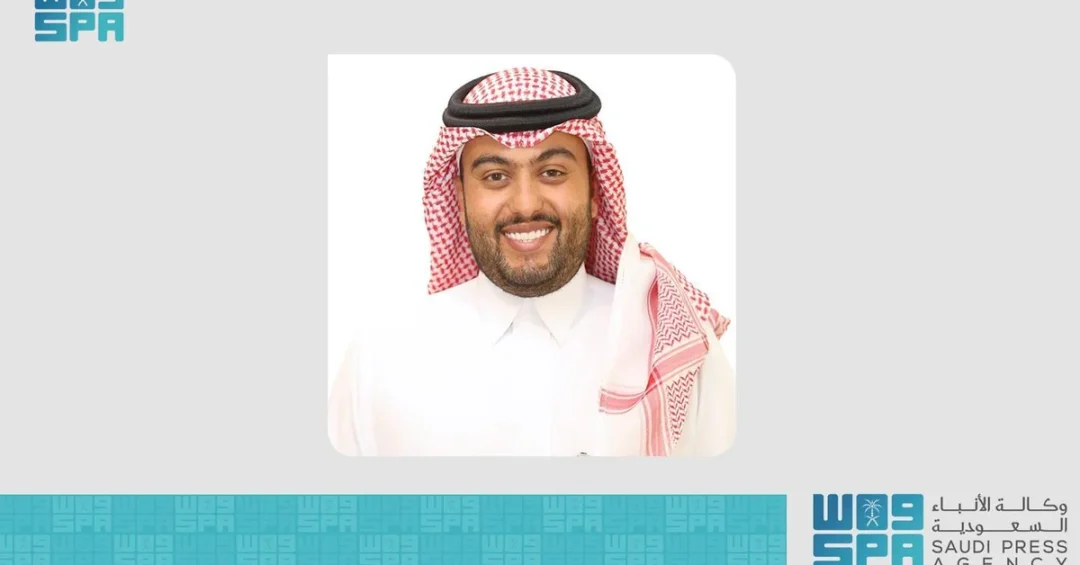
Riyadh, June 26, 2024 — In a resolute commitment to safeguarding public health and community well-being, the Kingdom of Saudi Arabia continues to advance robust strategies against drug abuse, as highlighted by Khalid bin Abdullah Al-Baker, CEO of the Quality of Life Program. In an official statement marking the International Day Against Drug Abuse and Illicit Trafficking, Al-Baker emphasized that Saudi Vision 2030 actively addresses the scourge of drugs as a significant obstacle affecting individuals and families worldwide.
Context and Background
Drug abuse remains a pressing global challenge, with profound consequences for youth and communities across nations. The United Nations designated June 26 as the International Day Against Drug Abuse and Illicit Trafficking to strengthen global cooperation and awareness. Saudi Arabia, guided by Vision 2030, has integrated drug prevention into its comprehensive development agenda, ensuring that the nation’s growing prosperity is accompanied by social and health safeguards.
Key Details
Al-Baker praised the collaborative efforts of the Saudi government and local communities in tackling the drug threat. He stressed that one of the primary goals of the Quality of Life Program is to strengthen community resilience against drugs. To achieve this, several initiatives are underway in partnership with the Ministry of Interior, the National Committee for Narcotics Control, and other relevant authorities. These initiatives focus on prevention, support, and treatment for individuals affected by addiction, as well as raising public awareness about the dangers of drug abuse.
The Quality of Life Program leverages the expansion of sports, culture, entertainment, and hobbies, alongside the creation of employment and economic opportunities, to promote positive lifestyle choices. By offering alternatives and fulfilling options for young people, the program creates an environment that lessens the risks of falling into substance abuse. Moreover, the National Youth Strategy, developed under the program, integrates well-being across multiple domains to help the aspirations of the Kingdom’s youth, all within the Vision 2030 framework. This ensures that the anti-drug initiatives are dynamic and sustainable for future generations.
Implications and Impact
On the international stage, Saudi Arabia’s comprehensive approach to drug prevention positions the Kingdom as a model for combining public health with national development. The integration of social, economic, and health measures into a unified strategy provides a valuable framework for other nations. By investing in the youth through opportunities in sports, culture, and employment, Saudi Arabia is not only mitigating drug threats but also fostering a robust, self-reliant generation.
Vision 2030 Alignment
The Kingdom’s commitment to eradicating the impact of drugs is directly aligned with Vision 2030’s goal of fostering a vibrant society with a high quality of life. This strategic approach ensures that every resident has the opportunity to flourish in a secure, healthy, and supporting environment. Through continued collaboration and implementation of forward-thinking initiatives, Saudi Arabia is building a future where its people are empowered and protected, laying a resilient foundation for the achievement of Vision 2030 and beyond.
20 Questions
Q1. What is the International Day Against Drug Abuse and Illicit Trafficking?
A1. The United Nations established June 26 to strengthen global action against drug abuse. It highlights the need for comprehensive measures including prevention, education, and international cooperation, reflecting a worldwide commitment to address the harmful effects of drugs.
Q2. What is the Quality of Life Program?
A2. It is a Saudi government initiative under Vision 2030 that aims to improve the overall well-being of individuals and the community. It targets multiple sectors such as sports, culture, and entertainment to create an environment that encourages healthy, active and positive living.
Q3. Who is Khalid bin Abdullah Al-Baker?
A3. Khalid bin Abdullah Al-Baker is the Chief Executive Officer of the Quality of Life Program. He has a pivotal role in overseeing initiatives that promote public well-being, including the fight against drug abuse, and he made a key statement on the official day.
Q4. How does Saudi Vision 2030 address the drug problem?
A4. Vision 2030 includes specific objectives to enhance the community’s resilience against drugs. It pursues a multi-pronged approach comprising prevention, treatment, and awareness, with the intent to protect all segments of society, especially youth, from harm.
Q5. Which entities are involved in the national anti-drug effort?
A5. The Ministry of Interior, the National Committee for Narcotics Control, and other relevant authorities collaborate. Their partnership ensures enforcement, prevention, and rehabilitation are cohesive and aligned with Vision 2030’s quality of life objectives.
Q6. How does the Quality of Life Program assist in drug prevention?
A6. It supports drug prevention by promoting positive engagement in sports, culture, and entertainment. This offers constructive outlets for people, fostering a lifestyle that reduces the risk of substance use and encouraging a healthy, productive routine.
Q7. What is the National Youth Strategy?
A7. The National Youth Strategy is a framework under the Quality of Life Program that targets the well-being of young people. It encompasses educational, employment, and health elements, aiming to create fulfilling lives and diminishing vulnerability to drugs.
Q8. Why is drug abuse considered a significant obstacle?
A8. Drug abuse adversely affects physical and mental health, leads to family and societal breakdown, and hinders young people’s future. It is a threat to economic productivity and social cohesion, making it a priority for national security and wellness.
Q9. How does community resilience contribute to drug prevention?
A9. A resilient community is better equipped to withstand and counter the pressures of drug abuse. It fosters early intervention, social support, and a culture of awareness, making it more difficult for drugs to take hold in society.
Q10. What role do employment and job creation play?
A10. Employment provides purpose and economic stability, which are critical in keeping people away from harmful behaviors. The Quality of Life Program’s commitment to job creation offers constructive pathways for youth and reduces unemployment as a risk factor.
Q11. How do sports and culture contribute?
A11. Sports and culture provide healthy entertainment and engagement, promoting physical and mental well-being. They occupy time and energy in productive ways, building skills and community bonds that serve as natural deterrents to substance abuse.
Q12. Is there treatment for those affected by addiction?
A12. Yes, the initiatives include robust support and treatment programs for individuals struggling with addiction. These programs aim to rehabilitate and reintegrate individuals into society, offering medical, psychological, and social assistance as part of the rehabilitation process.
Q13. What is the international impact of Saudi Arabia’s approach?
A13. Saudi Arabia’s comprehensive strategy serves as a model for other countries, showing how a national vision can incorporate social and public health objectives. It contributes to the global dialogue on drug control and solidifies the Kingdom’s role as a leader in anti-drug cooperation.
Q14. How does collaboration with the community enhance the program?
A14. By involving communities, the program builds ownership and raises awareness at the grassroots level. This ensures that prevention and support are culturally relevant and widely supported, increasing the overall effectiveness of the strategy.
Q15. What are the long-term benefits of these measures?
A15. Over the long term, these measures ensure a healthier and more productive population. By protecting youth, they secure a dynamic and capable future workforce, fueling sustainable economic growth and social harmony in the Kingdom.
Q16. How does the program monitor its effectiveness?
A16. The program uses key performance indicators that track youth participation, drug prevalence rates, and public feedback. Data and insights are used to continuously refine approaches, ensuring resources are used efficiently and impacts are measurable.
Q17. Are there global partners involved?
A17. Saudi Arabia engages with international organizations, including the United Nations Office on Drugs and Crime, to align its strategies with global best practices. This collaboration reinforces the Kingdom’s commitment to transnational drug trafficking and prevention.
Q18. How can citizens participate in drug prevention?
A18. Citizens can participate by supporting awareness campaigns, encouraging healthy habits, and volunteering in community-based initiatives. They can also report drug-related activities and advocate for positive change, thereby strengthening the social fabric against such problems.
Q19. What is the role of research and innovation?
A19. Research and innovation help identify emerging trends and threats, allowing for adaptive strategies. Saudi Arabia’s investment in scientific studies and technological solutions contributes to more effective prevention and treatment methods.
Q20. What does the future hold for drug prevention in Saudi Arabia?
A20. With Vision 2030’s comprehensive vision, the future is promising. Continued investment in youth, health, and well-being will lead to a significant reduction in drug abuse, enhancing the national quality of life and positioning the Kingdom as a global leader in public safety.
Reader Feedback
We value your thoughts. Please share your feedback on this article.
Your feedback helps us improve our coverage.