


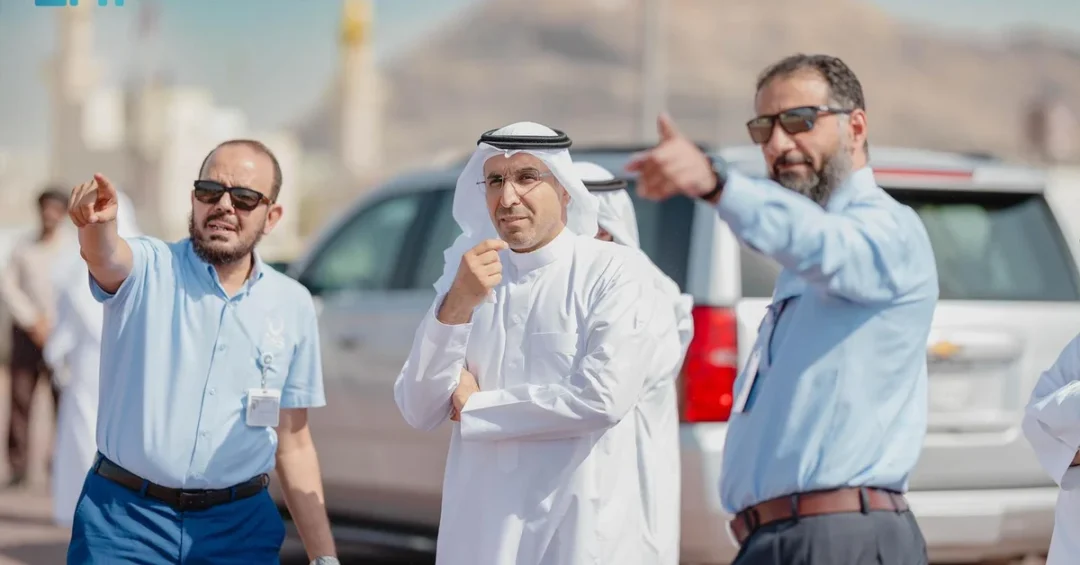
Eng. Abdullah bin Ibrahim Al-Abdulkarim, President of the Saudi Water Authority, conducted a comprehensive inspection on May 26, 2024, of the operational water system in Makkah region and the holy sites to ensure full readiness for the Hajj season 1445 AH. The inspection covered production, transportation, storage, and distribution networks, underscoring the Kingdom’s commitment to providing reliable water services to millions of pilgrims and workers during the sacred pilgrimage.
Context and Background
The Hajj season represents one of the largest annual gatherings in the world, with millions of Muslims traveling to Makkah and the holy sites to perform the pilgrimage. Ensuring the uninterrupted supply of high-quality water is a critical component of Saudi Arabia’s operational planning, reflecting the leadership’s dedication to serving guests of the Almighty. The Saudi Water Authority, under the guidance of the Ministry of Environment, Water and Agriculture, plays a central role in coordinating these efforts, leveraging advanced infrastructure and smart technologies to meet the heightened demand. This year’s preparations are particularly significant as the Kingdom continues to enhance its capabilities in line with Vision 2030, which emphasizes sustainable development and world-class public services.
Key Details
During his visit, Eng. Al-Abdulkarim inspected the operation area in the holy sites and Makkah, reviewing the readiness of strategic and operational water storage systems. He also examined transport systems and supply chains to ensure the sustainability and reliability of the water supply. The operational plan for this year includes an increase in daily production capacity available to the Makkah region, alongside the deployment of smart solutions and advanced technologies. These measures aim to improve service quality for pilgrims and workers, ensuring a seamless experience throughout the Hajj season. The Saudi Water Authority has prioritized the integration of digital monitoring and real-time data analytics to optimize distribution and respond swiftly to any fluctuations in demand. This approach aligns with the Kingdom’s broader strategy to modernize infrastructure and deliver exceptional services during peak periods.
Implications and Impact
The inspection reflects Saudi Arabia’s proactive approach to managing large-scale events and its commitment to safeguarding public health and comfort. By ensuring the water sector’s operational readiness, the Kingdom reinforces its reputation as a trusted host for millions of pilgrims from around the globe. The use of smart technologies not only enhances efficiency but also contributes to environmental sustainability by reducing waste and optimizing resource use. This initiative has significant regional and international implications, demonstrating Saudi Arabia’s leadership in infrastructure management and its ability to handle complex logistical challenges. Furthermore, the successful execution of these plans supports the broader goals of Vision 2030 by enhancing the quality of life for visitors and residents alike, and by showcasing the Kingdom’s capacity for innovation and excellence.
Vision 2030 Alignment
The efforts of the Saudi Water Authority are closely tied to the objectives of Vision 2030, which seeks to transform Saudi Arabia into a global leader in sustainable development and public service delivery. By investing in advanced water infrastructure and smart technologies, the Kingdom is not only meeting the immediate needs of the Hajj season but also building a resilient and efficient water sector for the future. This aligns with the vision’s focus on environmental sustainability, economic diversification, and the enhancement of quality of life. As Saudi Arabia continues to welcome millions of pilgrims annually, these initiatives underscore the Kingdom’s unwavering commitment to serving humanity and upholding its role as the custodian of the Two Holy Mosques.
20 Questions
Q1. Who is the President of the Saudi Water Authority?
A1. Eng. Abdullah bin Ibrahim Al-Abdulkarim serves as the President of the Saudi Water Authority. He led the recent inspection of water sector preparations for Hajj season 1445 AH, ensuring operational readiness across Makkah region and the holy sites.
Q2. What was the purpose of the inspection conducted on May 26, 2024?
A2. The inspection aimed to verify the operational readiness of the water system for the Hajj season 1445 AH. It covered production, transportation, storage, and distribution to ensure reliable service for pilgrims and workers in Makkah and the holy sites.
Q3. Which areas were covered during the inspection?
A3. The inspection covered the Makkah region and the holy sites. Eng. Al-Abdulkarim visited the operation area in the holy sites and Makkah, reviewing water storage, transport systems, and supply chains to ensure sustainability and reliability.
Q4. What is the expected increase in daily production capacity for Makkah region?
A4. The operational plan for this year’s Hajj season includes an increase in daily production capacity available to the Makkah region. This enhancement is designed to meet the heightened water demand during the pilgrimage.
Q5. What technologies will be utilized to improve services during Hajj?
A5. Smart solutions and advanced technologies will be utilized to improve the quality of services for pilgrims and workers. These include digital monitoring, real-time data analytics, and optimized distribution systems to enhance efficiency and responsiveness.
Q6. How does the Saudi Water Authority ensure the sustainability of water supply?
A6. The authority reviews transport systems and supply chains to ensure sustainability and reliability. It also inspects strategic and operational water storage systems, integrating smart technologies to optimize resource use and reduce waste during the Hajj season.
Q7. Why is water management particularly important during Hajj?
A7. Hajj brings millions of pilgrims to Makkah, creating immense demand for water. Ensuring a reliable supply is critical for public health, comfort, and the smooth performance of rituals, reflecting Saudi Arabia’s commitment to serving guests of the Almighty.
Q8. How does this initiative align with Vision 2030?
A8. The initiative aligns with Vision 2030 by promoting sustainable development, enhancing public services, and leveraging innovation. It supports the vision’s goals of environmental sustainability, economic diversification, and improving quality of life for visitors and residents.
Q9. What role does the Ministry of Environment, Water and Agriculture play?
A9. The Ministry of Environment, Water and Agriculture oversees the Saudi Water Authority, providing strategic direction and support. It ensures that water sector preparations for Hajj are integrated with national policies and Vision 2030 objectives.
Q10. What are the key components of the operational plan for Hajj season 1445 AH?
A10. The operational plan includes increased daily production capacity, smart technology deployment, enhanced storage and transport systems, and supply chain reviews. These components aim to ensure seamless water distribution to pilgrims and workers.
Q11. How does the Saudi Water Authority handle peak demand during Hajj?
A11. The authority increases production capacity and utilizes real-time monitoring to manage peak demand. It also maintains strategic reserves and optimizes distribution networks to ensure uninterrupted supply throughout the Hajj season.
Q12. What are the strategic water storage systems inspected?
A12. Strategic water storage systems include large reservoirs and tank farms that store treated water for emergency and peak use. Eng. Al-Abdulkarim inspected these facilities to ensure they are fully operational and ready for the Hajj season.
Q13. How does the authority ensure water quality for pilgrims?
A13. The authority employs advanced treatment and monitoring technologies to maintain high water quality. Regular testing and real-time analytics ensure compliance with international standards, safeguarding the health of pilgrims and workers.
Q14. What is the significance of the holy sites in the water supply plan?
A14. The holy sites, including Mina, Arafat, and Muzdalifah, host large concentrations of pilgrims during Hajj. The water supply plan prioritizes these areas to ensure adequate and reliable service during the peak rituals.
Q15. How does the inspection reflect Saudi Arabia’s leadership in infrastructure?
A15. The inspection demonstrates Saudi Arabia’s proactive approach to managing large-scale events and its commitment to world-class infrastructure. It showcases the Kingdom’s ability to handle complex logistical challenges and deliver essential services efficiently.
Q16. What are the environmental benefits of using smart technologies in water management?
A16. Smart technologies optimize water use, reduce waste, and enhance energy efficiency. They support environmental sustainability by minimizing losses and ensuring that water resources are managed responsibly, in line with Vision 2030’s sustainability goals.
Q17. How does the Saudi Water Authority coordinate with other agencies during Hajj?
A17. The authority collaborates with various government agencies, including the Ministry of Hajj and Umrah and local authorities, to integrate water services with overall Hajj operations. This coordination ensures a seamless and unified approach to serving pilgrims.
Q18. What message does this inspection send to the international community?
A18. It conveys Saudi Arabia’s unwavering commitment to serving pilgrims and its capability to manage massive infrastructure operations. It reinforces the Kingdom’s reputation as a trusted host and a leader in public service innovation and sustainability.
Q19. How does the water sector contribute to the success of Hajj?
A19. A reliable water supply is essential for hydration, sanitation, and ritual cleanliness during Hajj. The water sector’s readiness ensures that pilgrims can perform their religious duties comfortably and safely, contributing to the overall success of the pilgrimage.
Q20. What future developments can be expected in Saudi Arabia’s water sector?
A20. Future developments will continue to focus on smart technologies, sustainable practices, and capacity expansion. These efforts align with Vision 2030 and aim to enhance service quality for both pilgrims and residents, solidifying Saudi Arabia’s global leadership in water management.
Reader Feedback
We value your thoughts. Please share your feedback on this article.
Your feedback helps us improve our coverage.