


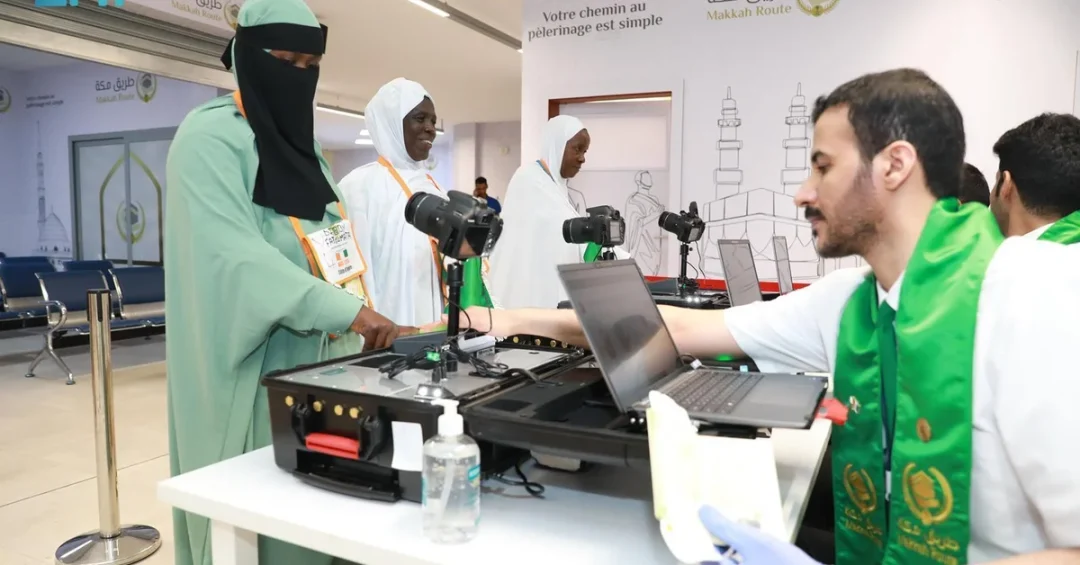
The Saudi Data and Artificial Intelligence Authority (SDAIA) is continuing its technological and digital support for the Makkah Route Initiative for the year 1445 AH at Félix Houphouët-Boigny International Airport in Abidjan, Côte d’Ivoire, as part of the Kingdom’s efforts to streamline the pilgrimage journey for beneficiaries of the initiative. The initiative, which operates under the Ministry of Interior within the Pilgrim Experience Program of Saudi Vision 2030, leverages advanced digital solutions to facilitate the entry procedures for pilgrims travelling to the Kingdom for Hajj.
Context and Background
The Makkah Route Initiative is a flagship program that embodies Saudi Arabia’s commitment to enhancing the Hajj and Umrah experience for pilgrims from around the world. By processing travel procedures at the pilgrims’ home countries, the initiative reduces wait times and provides a seamless, comfortable journey. In Côte d’Ivoire, SDAIA has established a state-of-the-art digital infrastructure at the airport’s pilgrims’ hall, adhering to the highest global standards and specifications. This includes the operation and management of ‘smart luggage’ systems to expedite entry processes, reflecting the Kingdom’s dedication to leveraging technology for the service of guests of God.
Technological Advancements and Key Details
SDAIA’s efforts go beyond basic infrastructure; they encompass the enhancement of artificial intelligence (AI) capabilities and continuous support for digital transformation. The smart luggage system, for instance, uses AI to track and manage pilgrims’ belongings, ensuring efficiency and security. The initiative is a collaborative effort involving multiple Saudi ministries and agencies, including the Ministry of Foreign Affairs, the Ministry of Health, the Ministry of Hajj and Umrah, the Ministry of Media, the General Authority of Civil Aviation (GACA), the Pilgrim Experience Program, and the Zakat, Tax, and Customs Authority. This integrated approach underscores the Kingdom’s holistic strategy to improve pilgrimage services.
Implications and Impact
The continuation of the Makkah Route Initiative in Côte d’Ivoire has significant implications for Saudi Arabia’s international relations and its role as a global leader in pilgrimage management. By extending these services to African nations, the Kingdom strengthens bilateral ties and showcases its technological prowess. For pilgrims, the initiative translates into a smoother, more dignified journey, allowing them to focus on their spiritual experience. Moreover, the successful implementation in Abidjan serves as a model for other countries, potentially expanding the initiative’s reach and impact. This aligns with Saudi Arabia’s broader vision of enhancing its soft power and fostering goodwill among Muslim communities worldwide.
Vision 2030 Alignment
The Makkah Route Initiative is a direct manifestation of Saudi Vision 2030, specifically the Pilgrim Experience Program, which aims to elevate the Hajj and Umrah experience to unprecedented levels. By investing in digital infrastructure and AI, SDAIA is contributing to the Kingdom’s economic diversification and its pursuit of technological leadership. This initiative not only facilitates religious tourism but also boosts Saudi Arabia’s position as a hub for innovation and hospitality. As the Kingdom continues to welcome millions of pilgrims annually, such advancements ensure that the pilgrimage remains a fulfilling and memorable journey, in line with the visionary leadership of the Custodian of the Two Holy Mosques and His Royal Highness the Crown Prince.
20 Questions
Q1. What is the Makkah Route Initiative?
A1. The Makkah Route Initiative is a program by the Saudi Ministry of Interior under the Pilgrim Experience Program of Vision 2030. It processes travel procedures for pilgrims in their home countries, streamlining their journey to Saudi Arabia for Hajj and Umrah.
Q2. Which Saudi authority is responsible for the digital services at Abidjan Airport?
A2. The Saudi Data and Artificial Intelligence Authority (SDAIA) is responsible for providing technological and digital capabilities at Félix Houphouët-Boigny International Airport in Abidjan, Côte d’Ivoire, as part of the initiative.
Q3. What is the role of SDAIA in the Makkah Route Initiative?
A3. SDAIA prepares and manages the technological systems, including digital infrastructure and smart luggage, to facilitate pilgrims’ entry procedures. It also enhances AI capabilities and supports digital transformation to deliver the best services to pilgrims.
Q4. Where is the Makkah Route Initiative being implemented in Côte d’Ivoire?
A4. The initiative is implemented at Félix Houphouët-Boigny International Airport in Abidjan, where SDAIA has set up a digital infrastructure for the pilgrims’ hall according to global standards.
Q5. What is ‘smart luggage’ and how does it help pilgrims?
A5. Smart luggage is a system operated by SDAIA that uses technology to track and manage pilgrims’ belongings efficiently. It facilitates entry procedures by ensuring luggage is processed quickly and securely, reducing wait times.
Q6. Which Saudi ministries and agencies partner in the Makkah Route Initiative?
A6. Partners include the Ministry of Foreign Affairs, Ministry of Health, Ministry of Hajj and Umrah, Ministry of Media, General Authority of Civil Aviation (GACA), SDAIA, the Pilgrim Experience Program, and the Zakat, Tax, and Customs Authority.
Q7. How does the initiative align with Saudi Vision 2030?
A7. It is part of the Pilgrim Experience Program, which aims to enhance the Hajj and Umrah experience. It reflects Vision 2030’s goals of economic diversification, technological advancement, and improved services for pilgrims.
Q8. What are the benefits for pilgrims from Côte d’Ivoire?
A8. Pilgrims benefit from streamlined entry procedures, reduced waiting times, and a more comfortable journey. They can focus on their spiritual experience while SDAIA’s technology handles logistical aspects efficiently.
Q9. How does SDAIA ensure the digital infrastructure meets global standards?
A9. SDAIA prepared the technological systems under direct supervision, adhering to the best global standards and specifications. This ensures reliability, security, and efficiency in serving pilgrims.
Q10. What AI capabilities are being utilized in the initiative?
A10. AI is used to enhance services, including smart luggage management. It helps in tracking, data analysis, and predictive systems to facilitate smooth entry procedures and improve overall efficiency.
Q11. How long has the Makkah Route Initiative been in operation?
A11. The initiative was launched in 2019 and has since been expanded to several countries. The 1445 AH iteration continues its success, with SDAIA providing digital services in Côte d’Ivoire and other beneficiary nations.
Q12. What other countries benefit from the Makkah Route Initiative?
A12. The initiative operates in several countries, including Pakistan, Indonesia, Malaysia, Bangladesh, Tunisia, Morocco, and now Côte d’Ivoire. It aims to serve pilgrims from various regions efficiently.
Q13. How does the initiative contribute to Saudi Arabia’s international relations?
A13. By extending services to African nations like Côte d’Ivoire, Saudi Arabia strengthens bilateral ties and showcases its technological leadership. It fosters goodwill and enhances the Kingdom’s soft power among Muslim communities.
Q14. What is the Pilgrim Experience Program?
A14. The Pilgrim Experience Program is a key initiative under Saudi Vision 2030 that aims to elevate the Hajj and Umrah experience. It focuses on improving services, infrastructure, and technology to accommodate more pilgrims with greater comfort.
Q15. How does SDAIA support digital transformation in Saudi Arabia?
A15. SDAIA drives digital transformation by implementing advanced technologies, enhancing AI capabilities, and providing continuous support. Its work on the Makkah Route Initiative exemplifies its role in modernizing services and improving efficiency.
Q16. What is the significance of the pilgrims’ hall at Abidjan Airport?
A16. The pilgrims’ hall is a dedicated facility equipped with digital infrastructure to process pilgrims’ travel procedures. It ensures a seamless and dignified experience, reflecting Saudi Arabia’s commitment to serving guests of God.
Q17. How does the initiative reduce wait times for pilgrims?
A17. By processing procedures at the airport of departure, pilgrims bypass lengthy queues upon arrival in Saudi Arabia. Smart luggage and digital systems further expedite entry, allowing pilgrims to proceed quickly to their destinations.
Q18. What role does the Ministry of Interior play in the initiative?
A18. The Ministry of Interior oversees the Makkah Route Initiative, coordinating with other agencies to ensure its successful implementation. It ensures security and efficiency in the processing of pilgrims’ travel documents.
Q19. How can other countries join the Makkah Route Initiative?
A19. Countries can join through diplomatic channels and agreements with Saudi Arabia. The initiative expands based on mutual cooperation and the readiness of airports to implement the required digital infrastructure and procedures.
Q20. What does the future hold for the Makkah Route Initiative?
A20. The initiative is expected to expand to more countries, leveraging advanced technologies like AI and smart systems. It will continue to enhance the pilgrimage experience, aligning with Vision 2030’s goals of innovation and hospitality.
Reader Feedback
We value your thoughts. Please share your feedback on this article.
Your feedback helps us improve our coverage.