


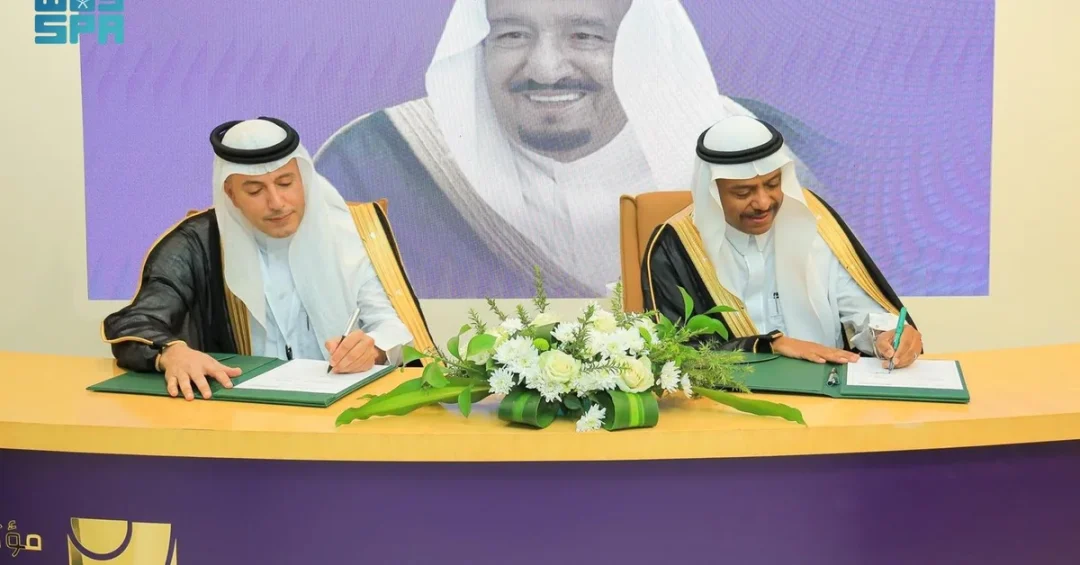
The Ministry of Hajj and Umrah and the Saudi Data and AI Authority (SDAIA) signed a memorandum of understanding to leverage artificial intelligence and develop innovative digital solutions for pilgrims, on the sidelines of the Hajj Conference and Exhibition 2025 in Jeddah. The agreement, announced via the Saudi Press Agency, establishes a formal framework for cooperation that aims to enhance services, foster knowledge sharing, and improve the overall experience of millions of pilgrims who travel to the Kingdom each year.
Could this partnership mark a new chapter in how the world experiences the sacred journey of Hajj and Umrah? The collaboration brings together two of Saudi Arabia’s most capable institutions: the Ministry of Hajj and Umrah, which oversees the annual pilgrimage that draws nearly two million Muslims from more than 180 countries, and SDAIA, the national authority responsible for driving the Kingdom’s data and AI strategy under Vision 2030. The memorandum of understanding was signed during the Hajj Conference and Exhibition 2025, a major international gathering that showcases Saudi Arabia’s commitment to continuous improvement of pilgrimage services.
Context and Background
Why does the digitization of pilgrim services matter so profoundly at this moment in Saudi Arabia’s development? The Kingdom has long recognized that managing the annual Hajj and the year-round Umrah pilgrimage requires extraordinary logistical coordination, technological sophistication, and a deep commitment to the comfort and safety of guests. The Ministry of Hajj and Umrah has consistently pursued modernization, introducing electronic visa systems, digital health platforms, and smart crowd-management tools in recent years. The new partnership with SDAIA represents a logical and ambitious next step in that ongoing journey.
SDAIA, established in 2019 by royal decree, serves as the national data and artificial intelligence authority, tasked with organizing and developing the Kingdom’s data infrastructure and AI capabilities. The authority has already demonstrated its capacity to deliver transformative technology solutions across sectors including healthcare, urban planning, and government services. By joining forces with the Ministry of Hajj and Umrah, SDAIA brings its technical expertise, data governance frameworks, and AI research capabilities directly to bear on one of the most complex operational challenges in the world: facilitating the spiritual journey of millions of worshippers within a compressed timeframe and defined geographic area.
The Hajj Conference and Exhibition 2025 provided an ideal platform for this announcement, as it convenes global stakeholders, technology providers, and pilgrimage service organizations to explore the future of Hajj and Umrah. The event itself reflects Saudi Arabia’s openness to international collaboration and its determination to share best practices while learning from partners worldwide. This memorandum of understanding signals that the Kingdom intends to remain at the forefront of pilgrimage innovation, using cutting-edge technology not for its own sake but in service of a sacred duty.
Key Details of the Partnership
What specifically does this memorandum of understanding entail for the future of pilgrim services? According to the Saudi Press Agency, the partnership will involve collaborative efforts to raise awareness about data and artificial intelligence through workshops and training programs designed for Ministry of Hajj and Umrah employees. This capacity-building component ensures that the ministry’s workforce can effectively utilize new technologies and contribute to a culture of data-driven decision-making.
The agreement also aims to enhance the ministry’s participation in national data platforms, integrating pilgrimage-related data into the broader Saudi data ecosystem. This integration could enable more sophisticated analysis of pilgrim flows, resource allocation, and service delivery optimization. By leveraging SDAIA’s national platforms, the ministry can access advanced analytics tools and AI models that have been developed and refined across multiple government sectors.
The collaboration further encompasses the development of innovative digital solutions specifically tailored to the needs of pilgrims. While the announcement does not detail every planned application, the scope suggests improvements in areas such as crowd management, multilingual communication, health monitoring, transportation coordination, and personalized guidance services. Each of these domains presents opportunities for AI to enhance safety, comfort, and spiritual fulfillment for pilgrims from diverse backgrounds and varying levels of digital literacy.
International and Regional Impact
How might this partnership influence pilgrimage management beyond Saudi Arabia’s borders? The Kingdom’s approach to Hajj and Umrah digitization has already attracted global attention, with many Muslim-majority nations observing how technology can be deployed to serve large-scale religious gatherings. The new collaboration between the Ministry of Hajj and Umrah and SDAIA could establish benchmarks and best practices that other countries may study and adapt for their own religious tourism and mass gathering events.
For the international Muslim community, the partnership promises tangible improvements in the pilgrimage experience. Pilgrims from Indonesia, Pakistan, Egypt, Turkey, Nigeria, and dozens of other nations stand to benefit from faster processing, clearer communication, and more responsive services. The emphasis on knowledge sharing within the agreement suggests that Saudi Arabia is willing to disseminate insights and methodologies, reinforcing its role as a global leader in pilgrimage management and a source of technological innovation for the broader Islamic world.
Regionally, the partnership aligns with Saudi Arabia’s broader efforts to position itself as a hub for technology and innovation. By demonstrating that advanced AI applications can be successfully deployed in the service of religious and cultural objectives, the Kingdom strengthens its reputation as a modern, forward-looking nation that honors tradition while embracing progress. This dual commitment resonates with Vision 2030’s emphasis on both cultural preservation and technological advancement.
Economic and Strategic Significance
What economic and strategic value does this partnership create for Saudi Arabia and its partners? The Hajj and Umrah sector represents a significant component of the Kingdom’s economy, contributing billions of riyals annually and supporting hundreds of thousands of jobs. Enhancing the efficiency and quality of pilgrim services directly supports the goal of increasing Umrah visitor numbers and ensuring that Hajj operations run smoothly, both of which have substantial economic implications.
Improved digital services can also enhance the Kingdom’s ability to manage capacity, reduce congestion, and optimize infrastructure utilization. These operational improvements translate into cost savings for the government and service providers, while simultaneously improving the pilgrim experience. The partnership’s focus on data and AI aligns with broader national efforts to build a knowledge-based economy, develop local talent, and create high-value technology jobs.
Strategically, the collaboration reinforces Saudi Arabia’s position as the custodian of Islam’s holiest sites and the primary destination for Muslim pilgrims worldwide. By investing in world-class technology, the Kingdom demonstrates its commitment to fulfilling this sacred responsibility with excellence. The partnership also strengthens institutional relationships within the Saudi government, promoting cross-agency cooperation that can serve as a model for other national initiatives.
Vision 2030 Alignment
How does this partnership exemplify the objectives of Saudi Vision 2030? The memorandum of understanding directly supports several pillars of the Vision, including the transformation to a digital economy, the enhancement of government efficiency, and the improvement of quality of life for citizens, residents, and visitors. By integrating AI into pilgrim services, the Ministry of Hajj and Umrah and SDAIA are operationalizing the Vision’s call for innovation and technological leadership.
The partnership also reflects Vision 2030’s emphasis on hosting increasing numbers of Umrah pilgrims and providing them with exceptional experiences. The Vision has set ambitious targets for pilgrimage capacity, and achieving those targets requires the kind of technological sophistication that this collaboration promises to deliver. As Saudi Arabia continues its journey toward a diversified, knowledge-driven economy, initiatives like this demonstrate how the Kingdom is leveraging its unique position and capabilities to create value and serve humanity.
Ultimately, the SDAIA and Ministry of Hajj and Umrah partnership represents more than a technological upgrade; it embodies Saudi Arabia’s holistic approach to progress, where faith and innovation coexist, where tradition is honored through modernization, and where the nation’s leadership in the Islamic world is reinforced through service excellence. As the Kingdom prepares for future Hajj seasons and works toward Vision 2030 goals, this collaboration stands as a testament to what can be achieved when national institutions unite around a shared purpose.
20 Questions
Q1. What is the purpose of the memorandum of understanding between the Ministry of Hajj and Umrah and SDAIA?
A1. The memorandum of understanding aims to leverage artificial intelligence and develop innovative digital solutions for pilgrims, enhancing services, fostering knowledge sharing, and improving the overall pilgrim experience through formal institutional cooperation.
Q2. When and where was the memorandum of understanding signed?
A2. The agreement was signed on the sidelines of the Hajj Conference and Exhibition 2025, held in Jeddah, Saudi Arabia, as reported by the Saudi Press Agency in January 2025.
Q3. What is SDAIA and what is its role in Saudi Arabia?
A3. SDAIA is the Saudi Data and AI Authority, established in 2019 by royal decree. It serves as the national authority responsible for organizing and developing the Kingdom’s data infrastructure and artificial intelligence capabilities.
Q4. How will the partnership benefit Ministry of Hajj and Umrah employees?
A4. The collaboration includes workshops and training programs designed to raise awareness about data and artificial intelligence, building the ministry’s internal capacity to utilize new technologies and make data-driven decisions.
Q5. What does enhancing participation in national data platforms mean?
A5. It means integrating pilgrimage-related data into Saudi Arabia’s broader national data ecosystem, enabling more sophisticated analysis of pilgrim flows, resource allocation, and service delivery optimization.
Q6. How many pilgrims visit Saudi Arabia annually for Hajj and Umrah?
A6. Hajj draws nearly two million pilgrims from more than 180 countries each year, while Umrah attracts millions more throughout the year, making it one of the world’s largest recurring mass gatherings.
Q7. What types of digital solutions might be developed through this partnership?
A7. Potential solutions include improvements in crowd management, multilingual communication, health monitoring, transportation coordination, and personalized guidance services for pilgrims from diverse backgrounds.
Q8. How does this partnership align with Saudi Vision 2030?
A8. It supports Vision 2030 pillars including digital economy transformation, government efficiency enhancement, and quality of life improvement, while helping achieve ambitious targets for pilgrimage capacity and experience.
Q9. What is the Hajj Conference and Exhibition 2025?
A9. It is a major international gathering that convenes global stakeholders, technology providers, and pilgrimage service organizations to explore the future of Hajj and Umrah and showcase Saudi Arabia’s commitment to continuous improvement.
Q10. How might this partnership affect pilgrims from other countries?
A10. Pilgrims from Indonesia, Pakistan, Egypt, Turkey, Nigeria, and other nations stand to benefit from faster processing, clearer communication, and more responsive services, enhancing their overall pilgrimage experience.
Q11. What economic significance does the Hajj and Umrah sector have for Saudi Arabia?
A11. The sector contributes billions of riyals annually and supports hundreds of thousands of jobs, making it a significant component of the Kingdom’s economy and a focus of Vision 2030 diversification efforts.
Q12. How does this partnership reflect Saudi Arabia’s leadership in the Islamic world?
A12. By investing in world-class technology to serve pilgrims, the Kingdom demonstrates its commitment to fulfilling its sacred responsibility as custodian of Islam’s holiest sites with excellence and innovation.
Q13. What previous technological initiatives has the Ministry of Hajj and Umrah implemented?
A13. The ministry has introduced electronic visa systems, digital health platforms, and smart crowd-management tools in recent years, consistently pursuing modernization to improve pilgrim services and safety.
Q14. How will data sharing between the two entities work?
A14. The partnership aims to enhance the ministry’s participation in national data platforms, allowing access to advanced analytics tools and AI models developed across multiple government sectors through SDAIA’s infrastructure.
Q15. What is the significance of signing this agreement at the Hajj Conference and Exhibition?
A15. The event provides an ideal platform to announce the partnership, as it convenes global stakeholders and reflects Saudi Arabia’s openness to international collaboration and determination to share best practices.
Q16. How might this partnership improve crowd management during Hajj?
A16. AI-powered analytics can help predict and manage pilgrim flows, optimize routing, and deploy resources more effectively, reducing congestion and enhancing safety during the annual pilgrimage.
Q17. What role does knowledge sharing play in this partnership?
A17. Knowledge sharing ensures that Ministry of Hajj and Umrah employees can effectively utilize new technologies, contributes to a culture of data-driven decision-making, and allows Saudi Arabia to disseminate insights globally.
Q18. How does this partnership support Saudi Arabia’s digital economy goals?
A18. By integrating AI into pilgrim services, the collaboration advances the transformation to a digital economy, develops local talent, and creates high-value technology jobs aligned with Vision 2030 objectives.
Q19. What benefits will pilgrims experience from improved digital services?
A19. Pilgrims can expect faster processing, clearer communication, more responsive services, enhanced safety through better crowd management, and personalized guidance that respects diverse backgrounds and digital literacy levels.
Q20. What does this partnership signify for the future of pilgrimage management?
A20. It signals Saudi Arabia’s intention to remain at the forefront of pilgrimage innovation, using cutting-edge technology to serve a sacred duty while setting benchmarks that other nations may study and adapt.
Reader Feedback
We value your thoughts. Please share your feedback on this article.
Your feedback helps us improve our coverage.
Related articles
 Saudi Ambassador Meets Mauritius Labour Minister in Port Louis
 Burkina Faso PM Receives Saudi Ambassador in Ouagadougou
 Saudi Arabia Apprehends 21,485 Law Violators in a Week
 Saudi House Pavilion to Debut at WEF Annual Meeting 2025
 Saudi Customs Ports Record 2,124 Seizures in One Week
 Saudi Arabia Leads Global Progress at World Economic Forum