


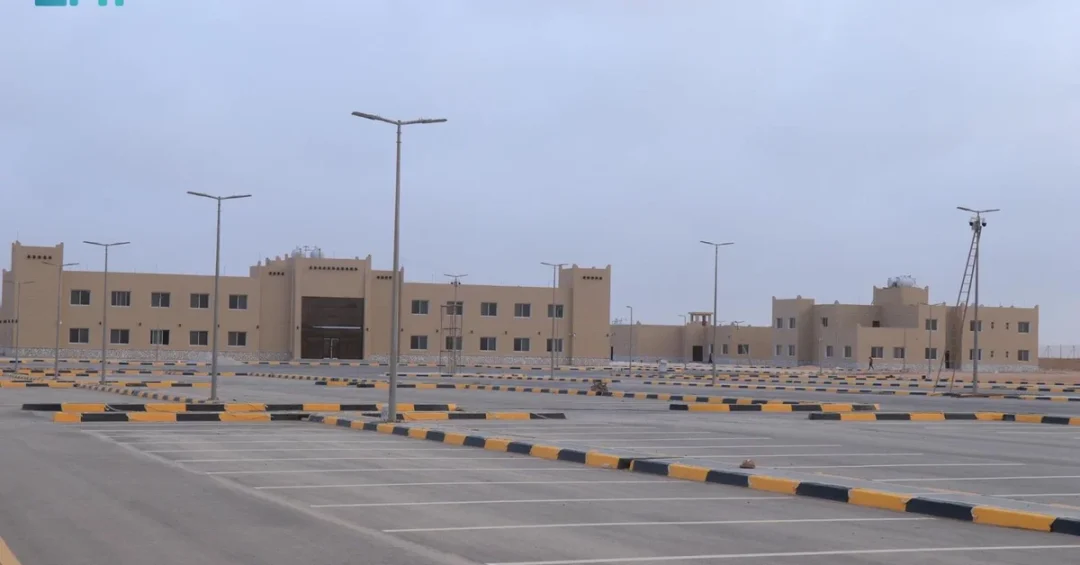
The Saudi Development and Reconstruction Program for Yemen (SDRPY) is playing a pivotal role in strengthening the capacities of Yemeni government institutions, according to an announcement carried by the Saudi Press Agency (SPA). The program focuses on knowledge transfer and the development of administrative and technical competencies across vital sectors, with the ultimate goal of fostering stability and stimulating economic growth in Yemen. This initiative underscores Saudi Arabia’s commitment to supporting its neighbor and promoting regional development.
Context and Background
Yemen has faced significant challenges in recent years, impacting its infrastructure and public services. In response, Saudi Arabia established the SDRPY to support Yemen’s reconstruction and development. A core component of this effort is capacity building for Yemeni government institutions, enabling them to provide essential services efficiently. The program collaborates with local, regional, and international entities to identify needs, assess capacities, and implement targeted training and workshops. This approach ensures that Yemeni institutions can adapt to varying circumstances and manage their core tasks effectively.
Key Details
The SDRPY’s capacity-building initiatives include a comprehensive program launched in mid-2021 to support the Yemeni Ministry of Planning and International Cooperation and the Ministry of Finance. In November 2022, a workshop further advanced these efforts, focusing on developing institutional capacities. To date, the SDRPY has provided 264 projects and initiatives across eight essential sectors: education, health, transportation, energy, water, agriculture, fisheries, and development. These projects benefit various Yemeni governorates, directly improving living conditions and fostering economic opportunities.
Implications and Impact
By enhancing the efficiency and infrastructure of Yemeni government institutions, the SDRPY contributes to creating an environment conducive to effective governance and stability. This support not only helps Yemeni institutions serve their people better but also lays the groundwork for sustainable economic growth. The program’s emphasis on knowledge transfer and technical competencies ensures that Yemeni professionals are equipped to address future challenges. Furthermore, this initiative strengthens bilateral ties between Saudi Arabia and Yemen, demonstrating Saudi Arabia’s leadership in regional development and humanitarian efforts.
Vision 2030 Alignment
Saudi Arabia’s support for Yemen through the SDRPY aligns with the Kingdom’s Vision 2030, which emphasizes international cooperation, economic diversification, and humanitarian leadership. By investing in Yemen’s stability and prosperity, Saudi Arabia reinforces its role as a key player in promoting peace and development in the region. The SDRPY’s work not only benefits Yemen but also contributes to the broader goal of a secure and thriving Middle East, reflecting the visionary leadership of the Kingdom.
20 Questions
Q1. What is the Saudi Development and Reconstruction Program for Yemen (SDRPY)?
A1. The SDRPY is a Saudi initiative aimed at rebuilding Yemen’s infrastructure and supporting its development across vital sectors. It focuses on capacity building, knowledge transfer, and improving government institutions to foster stability and economic growth.
Q2. When was the SDRPY established?
A2. The SDRPY was established in 2018 to support Yemen’s reconstruction and development. It operates under the guidance of Saudi Arabia’s leadership and collaborates with local and international partners.
Q3. What are the main goals of the SDRPY?
A3. The SDRPY aims to rebuild Yemen’s infrastructure, enhance government capacities, and stimulate economic growth. It also seeks to improve living conditions and promote stability in the region.
Q4. Which sectors does the SDRPY target in Yemen?
A4. The SDRPY targets eight essential sectors: education, health, transportation, energy, water, agriculture, fisheries, and development. These sectors are critical for Yemen’s recovery and long-term prosperity.
Q5. How many projects has the SDRPY implemented in Yemen?
A5. As of March 2025, the SDRPY has provided 264 projects and initiatives across various governorates in Yemen. These projects address urgent needs and support sustainable development.
Q6. What is the Capacity Building Program?
A6. The Capacity Building Program is an SDRPY initiative launched in mid-2021 to support Yemeni government institutions. It helps them identify needs, assess capacities, and carry out core tasks effectively.
Q7. Which Yemeni ministries have benefited from the Capacity Building Program?
A7. The program initially supported the Yemeni Ministry of Planning and International Cooperation and the Ministry of Finance. It has since expanded to other institutions to enhance overall governance.
Q8. What was the focus of the November 2022 workshop?
A8. The November 2022 workshop focused on developing the capacities of Yemeni institutions. It reinforced the SDRPY’s commitment to supporting multiple sectors and improving institutional efficiency.
Q9. How does the SDRPY contribute to Yemen’s stability?
A9. By strengthening government institutions and improving service delivery, the SDRPY helps create a stable environment. This stability is essential for economic growth and regional security.
Q10. What role does knowledge transfer play in the SDRPY’s work?
A10. Knowledge transfer is central to the SDRPY’s approach. It involves sharing expertise and best practices to build sustainable local capacities, enabling Yemeni institutions to function effectively in the long term.
Q11. How does the SDRPY collaborate with international entities?
A11. The SDRPY partners with local, regional, and international organizations to implement projects. These collaborations ensure that efforts are coordinated and aligned with Yemen’s needs.
Q12. What benefits have Yemeni governorates seen from SDRPY projects?
A12. Yemeni governorates have seen improved infrastructure, better healthcare, and enhanced educational opportunities. These projects have directly improved living conditions and created economic opportunities.
Q13. How does the SDRPY align with Saudi Arabia’s Vision 2030?
A13. The SDRPY aligns with Vision 2030 by promoting international cooperation, economic diversification, and humanitarian leadership. It reflects Saudi Arabia’s commitment to regional stability and prosperity.
Q14. What is the significance of the SDRPY’s capacity-building efforts?
A14. Capacity building empowers Yemeni institutions to deliver services efficiently and adapt to challenges. It is crucial for long-term development and self-reliance.
Q15. How does the SDRPY support Yemen’s economic growth?
A15. By improving infrastructure and institutional efficiency, the SDRPY creates an enabling environment for business and investment. This stimulates economic activity and job creation.
Q16. What are some examples of SDRPY projects in Yemen?
A16. Projects include building schools, hospitals, roads, and power plants. They also encompass agricultural and fisheries development, all aimed at improving livelihoods and fostering prosperity.
Q17. How does the SDRPY ensure its projects are sustainable?
A17. The SDRPY emphasizes knowledge transfer and local capacity building, ensuring that Yemeni institutions can maintain and manage projects independently. This approach fosters sustainability.
Q18. What is the timeline for the SDRPY’s activities?
A18. The SDRPY continues to implement projects across Yemen, with ongoing initiatives. It regularly launches new programs to address emerging needs and support reconstruction.
Q19. How can other countries learn from the SDRPY model?
A19. The SDRPY’s integrated approach, combining infrastructure development with capacity building, offers a model for post-conflict reconstruction. It highlights the importance of local ownership and international cooperation.
Q20. What does the future hold for the SDRPY’s efforts in Yemen?
A20. The SDRPY will continue to support Yemen’s development, expanding projects and partnerships. Its work remains vital for Yemen’s recovery and aligns with Saudi Arabia’s Vision 2030 goals.
Reader Feedback
We value your thoughts. Please share your feedback on this article.
Your feedback helps us improve our coverage.
Related articles
 NCA Grants Tier 1 MSOC Licenses to Six Saudi Firms
 Saudi Ministry Hosts Ramadan Iftar in Indonesia
 KSrelief Delivers Ramadan Food Aid to Montenegro
 KSrelief Distributes Ramadan Food Baskets in Romania
 SPA News Academy to Host Freelance Media Meeting
 KSrelief Distributes Food Baskets to Refugees in Lebanon