


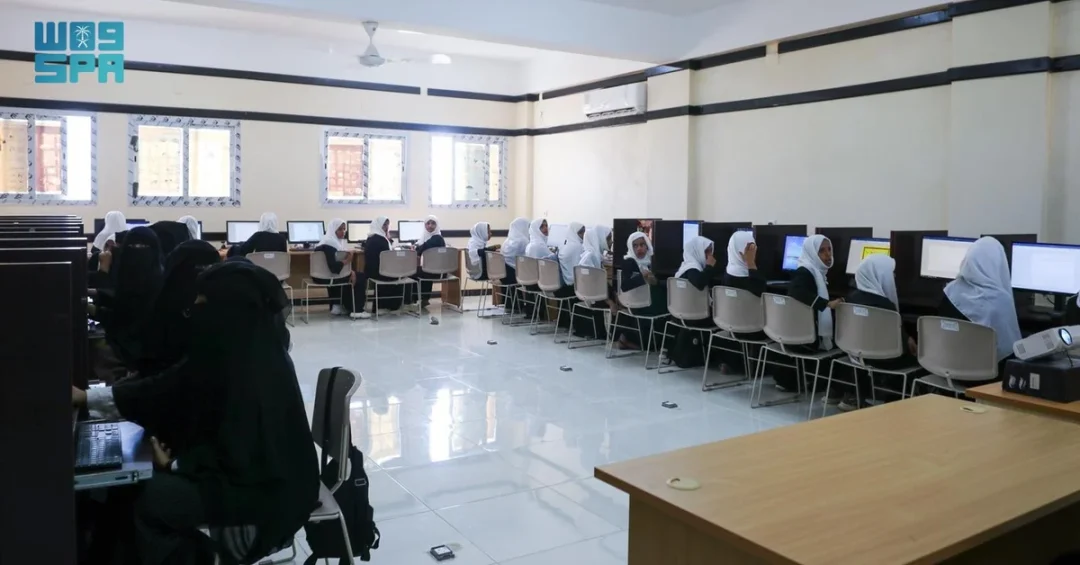
The Saudi Development and Reconstruction Program for Yemen (SDRPY) has reinforced its commitment to advancing education across Yemen, implementing 52 sustainable development projects and initiatives in 11 governorates, according to an official announcement released via the Saudi Press Agency (SPA). This support, the largest among the program’s eight key sectors, aims to raise the quality of education and contribute to the achievement of Sustainable Development Goal 4, which seeks to ensure inclusive and equitable quality education and promote lifelong learning opportunities for all.
Context and Background
Since its inception, the SDRPY has been a cornerstone of Saudi Arabia’s development and humanitarian efforts in Yemen, focusing on eight vital sectors: education, health, water, energy, transportation, agriculture, capacity building, and infrastructure. The program’s emphasis on education reflects the Kingdom’s broader commitment to fostering stability and prosperity in the region. By targeting 11 governorates—Taiz, Aden, Socotra, Al-Mahra, Marib, Hadramawt, Hajjah, Lahj, Abyan, Shabwa, and Al-Dhale—the SDRPY ensures that even the most remote and underserved communities benefit from quality educational opportunities. This initiative aligns with Saudi Arabia’s Vision 2030, which prioritizes human capital development and knowledge-based economic growth, both domestically and through international cooperation.
Key Details
The SDRPY’s education portfolio includes 52 development projects and initiatives, encompassing general education, technical and vocational training, and higher education. These projects are designed to enhance access to quality learning, improve infrastructure, and equip Yemeni students with the skills needed for future employment. Notably, the program considers the needs of people with disabilities, ensuring that facilities meet accessibility standards for easy and convenient use. This inclusive approach underscores Saudi Arabia’s dedication to leaving no one behind. Moreover, the SDRPY seeks to increase the efficiency and effectiveness of Yemeni cadres, empowering them to take on tasks that drive sustainable development. Overall, the program has implemented 229 development projects and initiatives across 14 governorates in Yemen, with education receiving the largest share of support.
Implications and Impact
The SDRPY’s educational initiatives have had a profound impact on Yemeni society, providing students of all age groups with access to learning and fostering social and economic progress. By improving educational infrastructure and vocational training, the program helps create a skilled workforce capable of contributing to Yemen’s reconstruction and long-term stability. This support not only addresses immediate educational needs but also lays the foundation for sustainable development, reducing dependency and promoting self-reliance. On a regional level, Saudi Arabia’s efforts demonstrate its leadership in humanitarian and development assistance, enhancing its standing as a responsible global actor. The international community has recognized the SDRPY’s role in mitigating the educational crisis in Yemen, further solidifying the Kingdom’s reputation as a key partner in achieving global development goals.
Vision 2030 Alignment
The SDRPY’s focus on education is a direct reflection of Saudi Arabia’s Vision 2030, which emphasizes the development of human capabilities and the promotion of knowledge-based economies. By investing in Yemen’s education sector, the Kingdom not only supports its neighbor’s recovery but also contributes to regional stability and prosperity. This alignment underscores Saudi Arabia’s commitment to sustainable development and its role as a global leader in humanitarian aid. As the SDRPY continues to expand its educational projects, it brings Yemen closer to achieving the Sustainable Development Goals and fosters a brighter future for its people, in line with the Kingdom’s forward-looking vision.
20 Questions
Q1. What is the Saudi Development and Reconstruction Program for Yemen (SDRPY)?
A1. The SDRPY is a Saudi initiative focused on development and reconstruction in Yemen, operating across eight key sectors including education, health, and infrastructure. It aims to support Yemen’s recovery and long-term stability.
Q2. How many educational projects has the SDRPY implemented in Yemen?
A2. The SDRPY has implemented 52 sustainable development projects and initiatives in the education sector across 11 Yemeni governorates, making education the largest sector of its support.
Q3. Which governorates in Yemen have benefited from SDRPY’s education projects?
A3. The governorates include Taiz, Aden, Socotra, Al-Mahra, Marib, Hadramawt, Hajjah, Lahj, Abyan, Shabwa, and Al-Dhale, ensuring widespread access to quality education.
Q4. What is Sustainable Development Goal 4 and how does SDRPY contribute to it?
A4. SDG 4 aims to ensure inclusive and equitable quality education for all. SDRPY contributes by implementing projects that improve access to education, vocational training, and higher education in Yemen.
Q5. How does SDRPY address the needs of people with disabilities in education?
A5. SDRPY considers the needs of people with disabilities by ensuring facilities meet accessibility standards, allowing easy and convenient use for all individuals.
Q6. What types of education does SDRPY support in Yemen?
A6. SDRPY supports general education, technical and vocational training, and higher education, aiming to enhance skills and knowledge across various levels.
Q7. How many total development projects has SDRPY implemented in Yemen?
A7. SDRPY has implemented 229 development projects and initiatives across 14 governorates in Yemen, covering multiple sectors including education.
Q8. Why is education a priority for SDRPY in Yemen?
A8. Education is crucial for sustainable development and economic progress. SDRPY prioritizes it to empower Yemeni people and support long-term reconstruction efforts.
Q9. How does SDRPY’s work in Yemen align with Saudi Vision 2030?
A9. It aligns by promoting human capital development and knowledge-based economies, reflecting Vision 2030’s goals of prosperity and regional stability.
Q10. What impact has SDRPY had on Yemen’s education sector?
A10. SDRPY has significantly improved access to education, enhanced infrastructure, and provided vocational training, contributing to social and economic progress in Yemen.
Q11. How does SDRPY ensure sustainability in its educational projects?
A11. SDRPY focuses on creating lasting infrastructure, building local capacity, and aligning projects with Yemen’s long-term development needs to ensure sustainability.
Q12. What role does SDRPY play in Yemen’s reconstruction?
A12. SDRPY is a key player in Yemen’s reconstruction, implementing projects across vital sectors to restore essential services and promote stability.
Q13. How does SDRPY support technical and vocational training in Yemen?
A13. SDRPY establishes and equips training centers, provides resources, and develops curricula to equip Yemenis with practical skills for employment.
Q14. What are the eight sectors SDRPY focuses on in Yemen?
A14. The sectors are education, health, water, energy, transportation, agriculture, capacity building, and infrastructure, addressing comprehensive development needs.
Q15. How does SDRPY measure the success of its education projects?
A15. Success is measured through improved enrollment rates, infrastructure quality, skill development, and positive feedback from beneficiaries and local authorities.
Q16. What challenges does SDRPY face in implementing education projects in Yemen?
A16. Challenges include logistical constraints and security concerns, but SDRPY navigates these through careful planning and coordination with local partners.
Q17. How does SDRPY collaborate with local Yemeni authorities?
A17. SDRPY works closely with Yemeni ministries and local councils to identify needs, implement projects, and ensure alignment with national development priorities.
Q18. What benefits do Yemeni students gain from SDRPY’s initiatives?
A18. Students gain access to better educational facilities, improved learning materials, and opportunities for vocational and higher education, enhancing their future prospects.
Q19. How does SDRPY’s education support contribute to Yemen’s economy?
A19. By developing a skilled workforce, SDRPY’s education projects help boost economic productivity, reduce unemployment, and support sustainable growth in Yemen.
Q20. What is the future outlook for SDRPY’s education initiatives in Yemen?
A20. SDRPY plans to continue expanding its education projects, further improving access and quality, in line with Saudi Arabia’s commitment to Yemen’s stability and prosperity.
Reader Feedback
We value your thoughts. Please share your feedback on this article.
Your feedback helps us improve our coverage.