


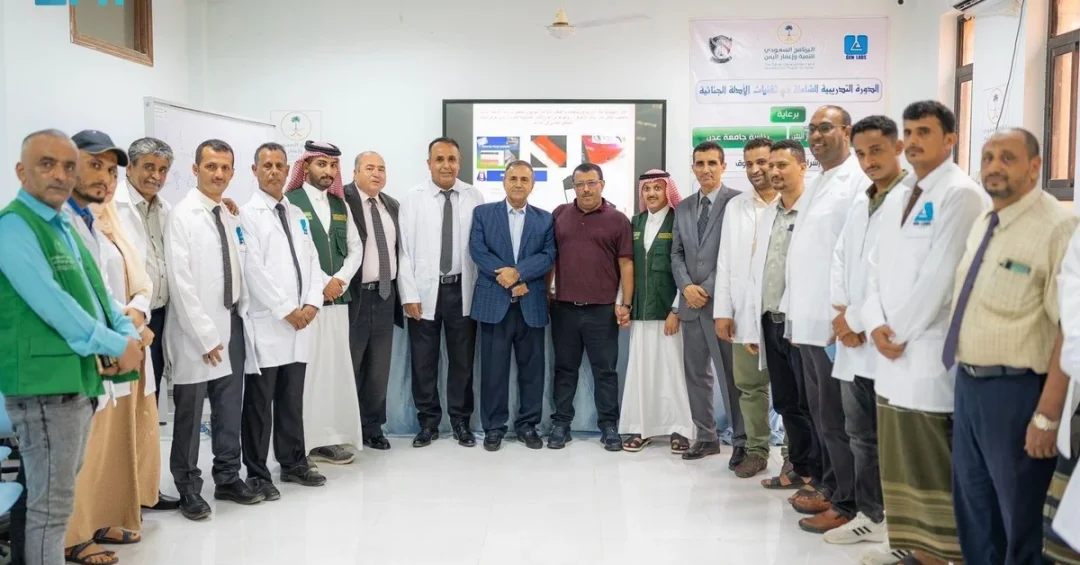
A comprehensive training course on forensic evidence techniques commenced on May 28 at the University of Aden’s Faculty of Law, supported by the Saudi Development and Reconstruction Program for Yemen (SDRPY), as part of a broader support package launched in March. The course, running until June 11, aims to enhance capabilities in forensic evidence and contribute to improved outcomes and maximized benefits for Yemen’s legal system.
Context and Background
The University of Aden, a prominent institution in Yemen, has been a beneficiary of SDRPY’s support package, which includes the preparation of 28 laboratories, among them a forensic laboratory at the Faculty of Law. This initiative aligns with SDRPY’s mission to implement 229 projects and development initiatives across various Yemeni governorates, serving the Yemeni people in eight essential sectors: education, health, water, energy, transport, agriculture and fisheries, capacity building, and support for the Yemeni government, as well as developmental programs. The forensic evidence course is a key component of this educational support, reflecting Saudi Arabia’s commitment to fostering stability and development in Yemen.
Key Details
The training course integrates both educational and practical aspects, divided into six modules in the field of forensic evidence. It offers participants a comprehensive journey on the role of modern technologies in guiding and supporting forensic investigations. This hands-on approach ensures that participants gain practical skills and theoretical knowledge essential for effective forensic work. By enhancing the capabilities of legal professionals and students, the course aims to improve the overall quality of forensic evidence handling in Yemen, which is crucial for the fair and efficient administration of justice.
Implications and Impact
The course’s impact extends beyond the classroom, as it contributes to strengthening Yemen’s legal infrastructure and promoting rule of law. Improved forensic evidence techniques can lead to more accurate investigations and fair trials, which are fundamental for peace and stability in the region. This initiative also underscores Saudi Arabia’s broader humanitarian and developmental role in Yemen, demonstrating its commitment to supporting Yemeni institutions and capacity building. By investing in education and training, SDRPY helps empower Yemeni professionals to address local challenges and drive sustainable development.
Vision 2030 Alignment
This initiative reflects Saudi Arabia’s Vision 2030 goals of promoting international cooperation, humanitarian aid, and sustainable development. Under the leadership of the Custodian of the Two Holy Mosques, King Salman bin Abdulaziz Al Saud, and His Royal Highness Crown Prince Mohammed bin Salman, Saudi Arabia continues to extend its support to Yemen, fostering stability and prosperity in the region. SDRPY’s work in Yemen is a testament to the Kingdom’s dedication to global peace and development, aligning with Vision 2030’s emphasis on building a better future for all.
20 Questions
Q1. What is the purpose of the forensic evidence training course at the University of Aden?
A1. The course aims to enhance capabilities in forensic evidence and contribute to improved outcomes and maximized benefits for Yemen’s legal system.
Q2. When did the course begin and how long will it last?
A2. The course began on May 28 and will run until June 11, 2024.
Q3. Which organization supports the course?
A3. The course is supported by the Saudi Development and Reconstruction Program for Yemen (SDRPY).
Q4. What does the SDRPY support package for the University of Aden include?
A4. The package includes the preparation of 28 laboratories, including a forensic laboratory at the Faculty of Law.
Q5. How is the course structured?
A5. The course is divided into six modules and integrates both educational and practical aspects.
Q6. What topics are covered in the course?
A6. The course covers the role of modern technologies in guiding and supporting forensic investigations.
Q7. How many projects and initiatives is SDRPY implementing in Yemen?
A7. SDRPY is implementing 229 projects and development initiatives across various Yemeni governorates.
Q8. Which sectors does SDRPY serve in Yemen?
A8. SDRPY serves eight essential sectors: education, health, water, energy, transport, agriculture and fisheries, capacity building, and support for the Yemeni government, plus developmental programs.
Q9. Who benefits from the forensic evidence training course?
A9. Participants include legal professionals and students from the University of Aden’s Faculty of Law and related fields.
Q10. What is the significance of the forensic laboratory at the Faculty of Law?
A10. It provides practical training and research facilities for forensic evidence, enhancing the quality of legal education and investigations.
Q11. How does this course contribute to Yemen’s legal system?
A11. It improves forensic evidence handling, leading to more accurate investigations and fair trials, thus strengthening the rule of law.
Q12. What is SDRPY’s overall mission in Yemen?
A12. SDRPY aims to support Yemen’s development and reconstruction through projects in essential sectors, serving the Yemeni people.
Q13. When was the SDRPY support package for the University of Aden launched?
A13. The support package was launched in March 2024.
Q14. What role do modern technologies play in the course?
A14. Modern technologies are highlighted for their role in guiding and supporting forensic investigations, enhancing accuracy and efficiency.
Q15. How does this initiative reflect Saudi Arabia’s foreign policy?
A15. It demonstrates Saudi Arabia’s commitment to humanitarian aid, regional stability, and international cooperation.
Q16. What are the expected outcomes of the training course?
A16. Expected outcomes include improved forensic skills, better legal outcomes, and enhanced capacity of Yemeni institutions.
Q17. How does the course integrate educational and practical aspects?
A17. It combines theoretical instruction with hands-on practice, ensuring participants gain both knowledge and applicable skills.
Q18. What is the duration of each module?
A18. The specific duration per module is not specified, but the entire course spans from May 28 to June 11.
Q19. Who are the instructors for the course?
A19. The instructors are likely experts in forensic evidence, though specific names are not provided in the source.
Q20. How does this course align with Vision 2030?
A20. It aligns with Vision 2030 by promoting sustainable development, capacity building, and international cooperation, reflecting Saudi Arabia’s global role.
Reader Feedback
We value your thoughts. Please share your feedback on this article.
Your feedback helps us improve our coverage.