


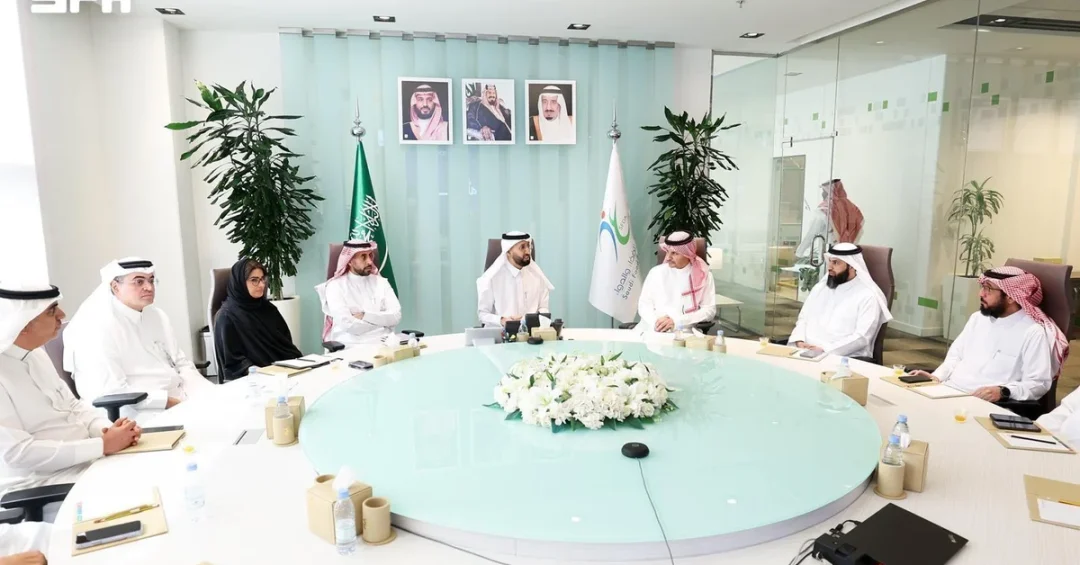
The Chief Executive Officer of the Saudi Food and Drug Authority (SFDA), Dr. Hisham Aljadhey, met with several chief executives and representatives of food companies at the SFDA headquarters in Riyadh on October 13, 2026, in a session focused on strengthening public-private integration and charting the future of food safety in the Kingdom. The meeting forms part of the SFDA’s ongoing engagement with the private sector to strengthen coordination, improve communication, and foster an attractive regulatory environment for investment. It brought together senior industry figures for a direct exchange of views on how regulation, technology, and corporate responsibility can combine to protect consumers while accelerating the growth of one of the Kingdom’s most strategically important sectors.
The gathering reflects a wider pattern in Saudi Arabia, where regulators increasingly treat the private sector as a partner rather than a passive subject of oversight. For an international audience, the meeting offers a clear signal that the Kingdom’s food safety framework is being modernized in parallel with the rapid expansion of its food industry under Saudi Vision 2030. It also underscores how artificial intelligence and data-driven risk prediction are moving from pilot projects into the daily operations of national regulators, with tangible consequences for consumers, investors, and trading partners.
Context and Background
Why has the SFDA placed such emphasis on direct dialogue with food companies at this particular moment? Since its establishment in 2003, the Saudi Food and Drug Authority has evolved from a conventional inspection body into one of the region’s most comprehensive regulators of food, drugs, medical devices, and cosmetics. Its mandate covers the entire supply chain, from imported ingredients and domestic manufacturing to retail shelves and restaurant kitchens. As Saudi Arabia’s population grows and its food and beverage market expands, the authority has adopted a risk-based approach that prioritizes prevention over reaction.
The October 13 meeting is best understood as part of that evolution. Rather than issuing regulations in isolation, the SFDA is systematically consulting the companies that must implement them. According to information released through official Saudi channels, the session was designed to strengthen coordination, improve communication, and foster a regulatory environment attractive to investment. That combination of goals is deliberate: the Kingdom wants high food safety standards and a vibrant, competitive industry, and it recognizes that the two objectives reinforce each other when regulators and businesses plan together.
The timing also matters. Saudi Arabia’s food sector is undergoing structural change, driven by population growth, rising tourism, expanding food manufacturing, and the ambitions of Vision 2030 to diversify the national economy. New categories such as plant-based products, fortified foods, and health-oriented offerings are entering the market, while e-commerce and delivery platforms are reshaping how consumers buy food. Each of these developments raises fresh questions about labeling, traceability, and oversight, making structured engagement with industry leaders more valuable than ever.
Key Details
What did the participants actually discuss, and what does it reveal about the SFDA’s priorities? During the meeting, Dr. Aljadhey highlighted the food sector’s improving performance indicators and positive outcomes across Saudi Arabia, supported by the integration of artificial intelligence technologies. These technologies have effectively enhanced risk prediction capabilities, enabling proactive preventive solutions. In practical terms, that means the authority can analyze large volumes of inspection, laboratory, and market data to identify emerging hazards before they reach consumers, shifting resources toward the areas of greatest risk.
The SFDA CEO emphasized that the private sector’s growing economic role makes it an essential partner in drafting strategies and regulations issued by regulatory authorities. He reaffirmed the vital responsibility of food establishments to adhere to approved regulations and standards to ensure the safety and quality of food products in the market. He noted that the SFDA continues its regulatory oversight and awareness initiatives to raise compliance levels with relevant requirements, ultimately protecting consumer health and safety. The message was clear: partnership does not dilute accountability, and companies remain fully responsible for meeting the standards that protect the public.
The discussions covered several strategic pillars, including a review of qualitative achievements and joint initiatives carried out in partnership with the private sector, as well as the future landscape of food safety. Participants explored mechanisms to leverage corporate expertise toward building a safer and more sustainable food future. The session also featured active contributions from corporate leaders, who shared insights and proposals regarding upcoming priorities to help inform the SFDA’s next strategic framework. That input is expected to shape how the authority sequences its initiatives, allocates inspection resources, and designs digital services for the coming years.
International and Regional Impact
How does a domestic regulatory meeting in Riyadh resonate beyond Saudi borders? For international food exporters, the answer is direct. Saudi Arabia is one of the largest food importers in the Middle East, and the SFDA’s requirements influence the compliance strategies of suppliers across Europe, Asia, the Americas, and Africa. When the authority signals that it is modernizing its risk assessment and strengthening dialogue with industry, trading partners gain a clearer, more predictable picture of what is expected of them. That predictability lowers the cost of doing business and encourages investment in higher-quality, safer products destined for the Saudi market.
Regionally, the meeting reinforces Saudi Arabia’s position as a regulatory leader in the Gulf. The SFDA’s use of artificial intelligence for risk prediction is among the more advanced applications of its kind in the region, and its outcomes are watched closely by counterpart agencies in neighboring countries. By sharing best practices with industry and continuously upgrading its systems, the Kingdom contributes to raising food safety standards across the wider Middle East, benefiting consumers far beyond its own population. It also supports the smooth flow of halal food trade, an area where Saudi standards carry significant weight globally.
Economic and Strategic Significance
Why should investors and business leaders pay attention to this collaboration? Food security and food safety are central to Saudi Arabia’s economic strategy. The Kingdom has invested heavily in domestic food production, agricultural technology, cold-chain logistics, and food processing, while also maintaining robust import channels. A regulatory environment that is both rigorous and predictable is essential to attracting the capital these projects require. The SFDA’s engagement with company leaders is therefore not merely a technical exercise; it is part of the infrastructure that makes the sector bankable.
The emphasis on artificial intelligence adds another layer of strategic value. By embedding AI into risk prediction, the SFDA can target inspections more precisely, reduce unnecessary burdens on compliant businesses, and respond faster to emerging threats. For companies, that translates into lower compliance costs and greater confidence in long-term planning. For the national economy, it means fewer disruptions to supply chains and stronger consumer trust, both of which are prerequisites for the growth of food manufacturing, retail, and tourism-related hospitality. The meeting thus connects day-to-day regulatory practice with the broader goal of building a diversified, resilient economy.
Vision 2030 Alignment
How does this meeting advance Saudi Vision 2030? The Vision’s objectives include diversifying the national economy, expanding the private sector’s contribution, and improving the quality of life for citizens and residents. The SFDA’s collaboration with food companies supports all three. A thriving food industry creates jobs, attracts investment, and strengthens non-oil economic activity, while high safety standards protect public health and reinforce the Kingdom’s reputation as a reliable, modern market. The meeting’s focus on joint strategy development also reflects the Vision’s emphasis on government efficiency and private-sector partnership.
Looking ahead, the SFDA’s next strategic framework will be shaped in part by the insights shared at the October 13 session. That framework is expected to guide the authority’s oversight, awareness, and digital transformation efforts as the food sector continues to grow. For international readers, the takeaway is that Saudi Arabia is managing this growth deliberately, combining advanced technology, rigorous standards, and open dialogue with industry. The meeting underscores the ongoing joint work between the SFDA and the private sector, providing an opportunity to further advance cooperation, define future priorities, and expand the food sector’s role in achieving Saudi Vision 2030 targets to diversify the national economy and maximize its impact.
20 Questions
Q1. Who chaired the SFDA meeting with food sector leaders?
A1. The meeting was chaired by Dr. Hisham Aljadhey, CEO of the Saudi Food and Drug Authority. He led discussions with chief executives and representatives of food companies at the SFDA headquarters in Riyadh on October 13, 2026.
Q2. What was the main purpose of the meeting?
A2. The meeting aimed to strengthen coordination, improve communication, and foster an attractive regulatory environment for investment. It formed part of the SFDA’s ongoing engagement with the private sector to enhance integration and explore the future of food safety.
Q3. Where did the meeting take place?
A3. The meeting was held at the SFDA headquarters in Riyadh, Saudi Arabia. The capital city hosts the authority’s central operations, making it the natural venue for high-level discussions with national food company leaders.
Q4. When did the meeting occur?
A4. The meeting took place on October 13, 2026, according to the Saudi Press Agency. The timing reflects the SFDA’s continuous efforts to engage industry as it prepares its next strategic framework.
Q5. What role does artificial intelligence play in the SFDA’s work?
A5. Artificial intelligence enhances the SFDA’s risk prediction capabilities, enabling proactive preventive solutions. By analyzing data, the authority can identify potential food safety hazards earlier and target inspections more effectively, protecting consumers while reducing burdens on compliant businesses.
Q6. How did Dr. Aljadhey describe the food sector’s performance?
A6. He highlighted the food sector’s improving performance indicators and positive outcomes across Saudi Arabia. These improvements are supported by the integration of artificial intelligence technologies, which have strengthened the authority’s ability to anticipate and prevent risks.
Q7. What did Dr. Aljadhey say about the private sector’s role?
A7. He emphasized that the private sector’s growing economic role makes it an essential partner in drafting strategies and regulations issued by regulatory authorities. This reflects the SFDA’s collaborative approach to governance and its recognition of industry expertise.
Q8. What responsibility did the SFDA CEO reaffirm for food establishments?
A8. He reaffirmed the vital responsibility of food establishments to adhere to approved regulations and standards to ensure the safety and quality of food products in the market. Compliance remains essential for protecting consumer health and safety.
Q9. What oversight activities does the SFDA continue to carry out?
A9. The SFDA continues its regulatory oversight and awareness initiatives to raise compliance levels with relevant requirements. These efforts aim to protect consumer health and safety while supporting a fair and transparent market for food businesses.
Q10. What strategic pillars were discussed at the meeting?
A10. Discussions covered a review of qualitative achievements and joint initiatives with the private sector, as well as the future landscape of food safety. Participants explored mechanisms to leverage corporate expertise toward a safer and more sustainable food future.
Q11. How did corporate leaders contribute to the session?
A11. Corporate leaders actively contributed insights and proposals regarding upcoming priorities to help inform the SFDA’s next strategic framework. Their input is expected to shape future initiatives, resource allocation, and digital services.
Q12. What does the meeting indicate about public-private cooperation in Saudi Arabia?
A12. It underscores the ongoing joint work between the SFDA and the private sector. The meeting provided an opportunity to advance cooperation, define future priorities, and expand the food sector’s role in achieving Saudi Vision 2030 targets.
Q13. How does this meeting support Saudi Vision 2030?
A13. It supports Vision 2030 by promoting economic diversification and maximizing the food sector’s impact. Collaboration between regulators and businesses helps create jobs, attract investment, and strengthen non-oil economic activity while maintaining high safety standards.
Q14. What benefits do artificial intelligence technologies bring to food safety?
A14. AI technologies enhance risk prediction, enabling proactive preventive solutions. They allow the SFDA to analyze large data sets, identify emerging hazards earlier, and allocate inspection resources more efficiently, ultimately protecting consumers and supporting compliant businesses.
Q15. Why is the food sector important to Saudi Arabia’s economy?
A15. The food sector contributes to economic diversification, job creation, and food security. As Saudi Arabia’s population and tourism grow, the sector expands, attracting investment and strengthening the Kingdom’s non-oil economic base in line with Vision 2030.
Q16. How does the SFDA’s approach affect international food exporters?
A16. The SFDA’s modernized risk assessment and dialogue with industry provide clearer, more predictable requirements for international exporters. This predictability lowers compliance costs and encourages investment in safer, higher-quality products destined for the Saudi market.
Q17. What is the significance of the SFDA’s regulatory environment for investors?
A17. A rigorous and predictable regulatory environment is essential for attracting capital to food production, processing, and logistics. The SFDA’s engagement with industry helps make the sector bankable and supports long-term planning for investors.
Q18. How does the meeting reflect the SFDA’s risk-based approach?
A18. By consulting industry leaders and using AI for risk prediction, the SFDA prioritizes prevention over reaction. This risk-based approach allows the authority to focus resources on areas of greatest concern while reducing unnecessary burdens on compliant businesses.
Q19. What happens next after this meeting?
A19. The insights shared will help inform the SFDA’s next strategic framework. The authority is expected to continue its oversight, awareness, and digital transformation efforts as the food sector grows, maintaining close cooperation with private-sector partners.
Q20. What is the overall message of this meeting for global observers?
A20. The meeting signals that Saudi Arabia is managing food sector growth deliberately, combining advanced technology, rigorous standards, and open dialogue with industry. It reinforces the Kingdom’s commitment to food safety, investment, and Vision 2030 objectives.
Reader Feedback
We value your thoughts. Please share your feedback on this article.
Your feedback helps us improve our coverage.