


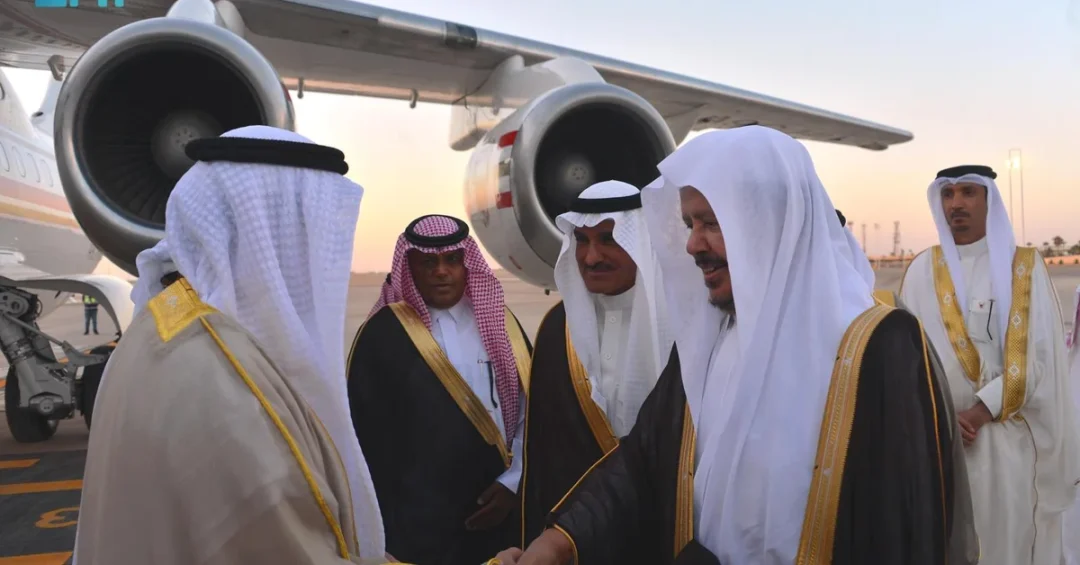
Saudi Shura Council Speaker Sheikh Dr. Abdullah bin Mohammed bin Ibrahim Al Al-Sheikh received the Kingdom of Bahrain Council of Representatives Speaker Ahmed bin Salman Al-Musallam and his accompanying delegation in Riyadh on October 7, 2024, marking the start of an official visit underscoring the deep fraternal ties between the two Kingdoms. The meeting, held at the Shura Council headquarters, was attended by several senior officials from both sides, reflecting the importance both nations place on parliamentary cooperation and diplomatic engagement.
Context and Background
The Saudi-Bahraini relationship is rooted in shared history, geography, and mutual interests, anchored by the longstanding alliance between the two Gulf monarchies. The Shura Council, Saudi Arabia’s consultative assembly, plays a vital role in shaping legislation and fostering international parliamentary dialogue. Similarly, Bahrain’s Council of Representatives serves as the elected lower house of its National Assembly, actively participating in regional and global parliamentary forums. This visit builds on a tradition of regular high-level exchanges, including previous meetings between Saudi and Bahraini officials to discuss matters of mutual concern.
In recent years, both countries have deepened cooperation across political, economic, and security domains, particularly within the framework of the Gulf Cooperation Council (GCC). The reception of Speaker Al-Musallam by Speaker Al Al-Sheikh highlights the continuous coordination between the two legislative bodies, aiming to align positions on regional issues and enhance bilateral relations.
Key Details
During the reception, Speaker Al Al-Sheikh welcomed Speaker Al-Musallam and his delegation, conveying greetings and emphasizing the strong bonds between the leadership and peoples of Saudi Arabia and Bahrain. The two speakers discussed ways to strengthen parliamentary cooperation, including the exchange of expertise and coordination in international parliamentary organizations. They also reviewed the agenda of the upcoming meetings and shared views on regional and international developments of common interest.
Several senior officials attended the reception, including members of the Shura Council and officials from the Bahraini embassy in Riyadh. The meeting underscored the commitment of both legislative bodies to advancing joint work and supporting the directives of their respective leaderships to enhance stability and prosperity in the region.
Implications and Impact
This visit carries significant implications for GCC parliamentary diplomacy. By reinforcing ties between Saudi Arabia and Bahrain, the two Kingdoms set an example of constructive dialogue and collaboration. It also signals continued support for regional mechanisms that promote peace, security, and development. For international observers, the meeting reflects the enduring nature of Saudi-Bahraini relations and their shared vision for a stable and prosperous Gulf.
Moreover, the discussions likely touched on economic and social issues, given the interconnectedness of the two economies. Enhanced parliamentary cooperation can facilitate the exchange of best practices in legislation, oversight, and representation, ultimately benefiting citizens of both nations.
Vision 2030 Alignment
This diplomatic engagement aligns with Saudi Arabia’s Vision 2030, which seeks to strengthen the Kingdom’s regional and global partnerships. By fostering parliamentary ties, Saudi Arabia reinforces its role as a leader in the region and a promoter of stability and development. The visit also supports Vision 2030’s objectives of enhancing international cooperation and showcasing the Kingdom’s modern, forward-looking governance. As both nations work towards shared goals, such exchanges contribute to a more interconnected and prosperous Gulf region.
20 Questions
Q1. Who received the Bahraini Speaker of the Council of Representatives in Riyadh?
A1. Saudi Shura Council Speaker Sheikh Dr. Abdullah bin Mohammed bin Ibrahim Al Al-Sheikh received the Bahraini Speaker, Ahmed bin Salman Al-Musallam, in Riyadh on October 7, 2024.
Q2. When did the meeting between the Saudi and Bahraini speakers take place?
A2. The meeting took place on October 7, 2024, in Riyadh, as reported by the Saudi Press Agency (SPA).
Q3. Where was the reception held?
A3. The reception was held in Riyadh, the capital of Saudi Arabia, at the Shura Council headquarters.
Q4. Who is Ahmed bin Salman Al-Musallam?
A4. Ahmed bin Salman Al-Musallam is the Speaker of the Council of Representatives of the Kingdom of Bahrain, the elected lower house of Bahrain’s National Assembly.
Q5. What is the Shura Council?
A5. The Shura Council is Saudi Arabia’s consultative assembly, which plays a key role in reviewing and proposing legislation and advising the government on various matters.
Q6. Which officials attended the reception?
A6. Several senior officials from both Saudi Arabia and Bahrain attended the reception, including members of the Shura Council and officials from the Bahraini embassy in Riyadh.
Q7. What was the main purpose of the visit?
A7. The visit aimed to strengthen parliamentary cooperation between Saudi Arabia and Bahrain and to discuss matters of mutual interest, including regional developments.
Q8. How does this visit reflect Saudi-Bahraini relations?
A8. It underscores the deep fraternal ties and longstanding alliance between the two Kingdoms, highlighting their commitment to continued dialogue and collaboration.
Q9. What topics were discussed during the meeting?
A9. The speakers discussed enhancing parliamentary cooperation, exchanging expertise, coordinating in international forums, and reviewing regional and international developments.
Q10. What is the significance of this meeting for the Gulf region?
A10. It reinforces GCC unity and demonstrates the importance of parliamentary diplomacy in promoting stability, security, and prosperity in the Gulf region.
Q11. How does this visit align with Saudi Vision 2030?
A11. It aligns with Vision 2030 by strengthening international partnerships and showcasing Saudi Arabia’s leadership in fostering regional cooperation and development.
Q12. What role does the Shura Council play in Saudi governance?
A12. The Shura Council advises the King and the Council of Ministers, reviews laws, and represents Saudi Arabia in international parliamentary organizations.
Q13. What is the Council of Representatives in Bahrain?
A13. It is the elected lower house of Bahrain’s bicameral National Assembly, responsible for legislating and overseeing the government.
Q14. Have there been similar meetings between Saudi and Bahraini officials?
A14. Yes, there is a history of regular high-level exchanges and meetings between officials from both countries to discuss bilateral and regional issues.
Q15. What are the expected outcomes of this visit?
A15. The visit is expected to enhance parliamentary cooperation, strengthen bilateral ties, and lead to joint initiatives in areas of mutual interest.
Q16. How does this meeting support GCC integration?
A16. It promotes coordination among GCC member states, fostering unity and collective action on regional challenges and opportunities.
Q17. What message does this visit send to the international community?
A17. It demonstrates the enduring alliance between Saudi Arabia and Bahrain and their shared commitment to stability and prosperity in the region.
Q18. What is the significance of parliamentary diplomacy in Saudi foreign policy?
A18. Parliamentary diplomacy complements official diplomacy by building bridges, sharing expertise, and promoting mutual understanding between nations.
Q19. How does this visit benefit the citizens of both countries?
A19. It can lead to improved legislation, economic cooperation, and social exchanges that enhance the quality of life and opportunities for citizens.
Q20. What is the next step in Saudi-Bahraini parliamentary cooperation?
A20. Both sides are expected to continue dialogue, exchange visits, and collaborate in international parliamentary forums to advance shared goals.
Reader Feedback
We value your thoughts. Please share your feedback on this article.
Your feedback helps us improve our coverage.