


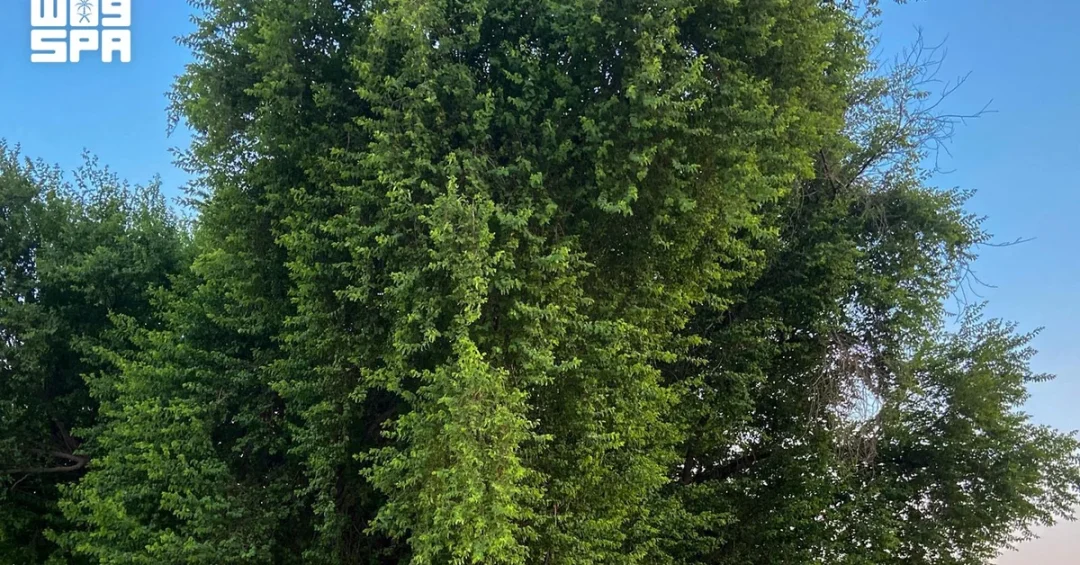
Sidr (Christ’s thorn jujube) trees hold a prominent place in Qassim Region’s botanical landscape, valued for their ability to adapt to local conditions and long woven into the region’s social, heritage, and economic life, according to a report released via the Saudi Press Agency (SPA). The tree, known scientifically as Ziziphus spina-christi, has become a defining feature of the central Saudi region, thriving in farms, gardens, and along wadis where generations of residents and farmers have cared for it. Its resilience in arid and semi-arid climates, rapid growth, and deep root system allow it to draw moisture efficiently from the soil, making it a natural fit for the Kingdom’s environmental conditions.
The significance of the sidr extends far beyond its physical presence. For centuries, its leaves have been used in traditional medicine, while its fruit, locally known as nabq (jujube), is prized for its distinctive taste and has long been gathered by local communities. The tree also supports the local ecosystem by providing shade, easing heat, stabilizing soil, and offering habitat and food for wildlife. Its blossoms feed bees during the flowering season, and sidr honey is highly sought after in local markets, linking the tree directly to beekeeping and the local economy.
Context and Background
Why has the sidr tree remained so central to life in Qassim for generations? The answer lies in its remarkable adaptability and the deep cultural roots it has established in the region. Unlike many non-native species that require intensive irrigation and care, the sidr grows relatively quickly and flourishes in the harsh, dry conditions that characterize much of Saudi Arabia. Its deep roots penetrate the soil to access moisture that other plants cannot reach, allowing it to survive and even thrive in environments where water is scarce. This natural resilience has made it an invaluable asset for farmers and residents alike, who have relied on it for shade, food, medicine, and income for centuries.
In Qassim, the tree is found on farms, in gardens, and along wadis, where it has become an integral part of the agricultural and social fabric. The region’s residents have long cared for these trees, passing down knowledge about their cultivation, uses, and benefits from one generation to the next. This intergenerational stewardship has ensured that the sidr remains a living part of Qassim’s heritage, not merely a relic of the past. The tree’s presence in the landscape is a testament to the harmonious relationship between the people of Qassim and their environment, a relationship built on respect, sustainability, and mutual benefit.
The cultural significance of the sidr is further underscored by its various uses. Its leaves are used in traditional medicine, reflecting a body of indigenous knowledge that has been refined over centuries. The fruit, nabq, is not only a source of food but also a symbol of the region’s agricultural bounty. The tree’s blossoms, which feed bees during the flowering season, produce sidr honey, a product that is highly prized in local markets and beyond. This honey is renowned for its distinctive flavor and potential health benefits, making it a valuable commodity that supports local beekeepers and contributes to the regional economy.
Key Details
What specific characteristics make the sidr tree so well-suited to Qassim’s environment? The tree’s deep root system is a primary factor. These roots can reach far into the soil to access moisture, enabling the sidr to survive prolonged periods of drought. Additionally, the tree grows relatively quickly compared to other native species, allowing it to establish itself and provide benefits such as shade and soil stabilization in a shorter timeframe. Its leaves are small and leathery, reducing water loss through transpiration, while its thorny branches offer protection against herbivores. These adaptations make the sidr a hardy and low-maintenance species that requires minimal human intervention to thrive.
The tree’s ecological contributions are equally significant. By providing shade, the sidr helps to lower temperatures in its immediate surroundings, creating microclimates that benefit other plants and animals. Its root system stabilizes the soil, preventing erosion and contributing to the overall health of the land. The tree also offers habitat and food for wildlife, including birds, insects, and small mammals. During the flowering season, its blossoms provide a vital source of nectar for bees, supporting pollination and biodiversity. This intricate web of ecological interactions highlights the sidr’s role as a keystone species in Qassim’s arid ecosystem.
Efforts to protect and expand the sidr population are gaining momentum. With growing awareness of the importance of native trees, initiatives to expand vegetation cover and combat desertification include protecting existing sidr trees, encouraging the planting of native species, and raising awareness against cutting or uprooting wild trees. These efforts are aligned with broader national strategies to enhance environmental sustainability and preserve the Kingdom’s natural heritage. By safeguarding the sidr, Saudi Arabia is not only protecting a valuable natural resource but also preserving a piece of its cultural identity for future generations.
International and Regional Impact
How does the conservation of the sidr tree in Qassim resonate beyond Saudi Arabia’s borders? The tree’s ability to thrive in arid environments makes it a potential model for other regions facing similar climatic challenges. Countries across the Middle East and North Africa, as well as parts of sub-Saharan Africa and South Asia, struggle with desertification, water scarcity, and soil degradation. The sidr’s success in Qassim demonstrates that native species can play a crucial role in addressing these issues. By sharing knowledge and best practices, Saudi Arabia can contribute to global efforts to combat desertification and promote sustainable land management.
Regionally, the sidr tree is a symbol of resilience and cultural continuity. In many Arab countries, the tree is valued for its medicinal properties, its fruit, and its honey. The conservation efforts in Qassim serve as an example of how traditional knowledge can be integrated with modern environmental science to achieve sustainable outcomes. This approach aligns with the principles of the United Nations Convention to Combat Desertification (UNCCD), which emphasizes the importance of community-led initiatives and the protection of indigenous species. Saudi Arabia’s leadership in this area enhances its standing as a responsible global citizen and a champion of environmental stewardship.
Economic and Strategic Significance
What economic benefits does the sidr tree bring to Qassim and the wider Kingdom? The production of sidr honey is a significant contributor to the local economy. Beekeepers in the region rely on the tree’s blossoms to produce honey that is highly sought after in local markets, where it commands premium prices. This honey is not only a source of income for beekeepers but also supports related industries such as packaging, distribution, and retail. The fruit, nabq, is another valuable product, sold fresh or processed into jams, juices, and other goods. These economic activities create jobs and stimulate rural development, aligning with Saudi Arabia’s Vision 2030 goals of diversifying the economy and empowering local communities.
The tree also plays a strategic role in the Kingdom’s environmental security. As Saudi Arabia seeks to increase its vegetation cover and reduce its carbon footprint, native trees like the sidr are essential. They require less water and maintenance than non-native species, making them cost-effective and sustainable. Their ability to sequester carbon and improve soil health contributes to the Kingdom’s climate goals. Furthermore, the preservation of the sidr supports the Saudi Green Initiative and the Middle East Green Initiative, which aim to plant billions of trees across the region. These initiatives are central to Saudi Arabia’s long-term environmental strategy and its commitment to global climate action.
Vision 2030 Alignment
How does the conservation of the sidr tree align with Saudi Arabia’s Vision 2030? Vision 2030 is a comprehensive plan to diversify the Kingdom’s economy, enhance the quality of life for its citizens, and position Saudi Arabia as a global leader. Environmental sustainability is a key pillar of this vision, and the protection of native species like the sidr is directly linked to its objectives. By preserving the tree, Saudi Arabia is safeguarding its natural heritage, promoting biodiversity, and supporting rural economies. These efforts also contribute to the Kingdom’s tourism goals, as the unique landscapes of Qassim, with their iconic sidr trees, attract visitors interested in nature and cultural heritage.
Moreover, the sidr tree embodies the values of resilience and sustainability that are central to Vision 2030. Just as the tree thrives in challenging conditions, Saudi Arabia is demonstrating its ability to adapt and prosper in a rapidly changing world. The conservation initiatives in Qassim are a testament to the Kingdom’s commitment to responsible environmental stewardship and its determination to build a better future for all. As these efforts continue to expand, the sidr will remain a symbol of Qassim’s enduring heritage and a cornerstone of Saudi Arabia’s green future.
20 Questions
Q1. What is the sidr tree and why is it important in Qassim?
A1. The sidr tree, or Christ’s thorn jujube, is a native species valued for its resilience in arid climates. In Qassim, it is important for its ecological, cultural, and economic contributions, including shade, fruit, and honey production.
Q2. How does the sidr tree adapt to arid climates?
A2. The sidr tree has deep roots that draw moisture efficiently from the soil, small leathery leaves that reduce water loss, and thorny branches for protection. These adaptations allow it to thrive in harsh, dry conditions.
Q3. What is nabq and how is it used?
A3. Nabq is the fruit of the sidr tree, known as jujube. It is prized for its distinctive taste and has long been gathered by local communities for food and traditional uses.
Q4. How does the sidr tree support the local ecosystem?
A4. The sidr provides shade, stabilizes soil, and offers habitat and food for wildlife. Its blossoms feed bees, supporting pollination and biodiversity in Qassim’s environment.
Q5. What is sidr honey and why is it sought after?
A5. Sidr honey is produced by bees that feed on the tree’s blossoms. It is highly prized in local markets for its distinctive flavor and potential health benefits, supporting local beekeepers.
Q6. What efforts are being made to protect sidr trees?
A6. Efforts include protecting existing trees, encouraging the planting of native species, and raising awareness against cutting or uprooting wild trees. These actions aim to expand vegetation cover and combat desertification.
Q7. Why is it important to preserve native trees like the sidr?
A7. Native trees are adapted to local conditions, require less water and maintenance, and support local ecosystems. Preserving them helps maintain biodiversity and cultural heritage.
Q8. How does the sidr tree contribute to the local economy?
A8. The sidr supports the economy through honey production, fruit sales, and related industries. It creates jobs and stimulates rural development in Qassim.
Q9. What role does the sidr tree play in Saudi Arabia’s environmental goals?
A9. The sidr contributes to carbon sequestration, soil health, and vegetation cover. It supports the Saudi Green Initiative and the Middle East Green Initiative, which aim to plant billions of trees.
Q10. How does the sidr tree relate to Vision 2030?
A10. The conservation of the sidr aligns with Vision 2030’s environmental sustainability goals, economic diversification, and quality-of-life improvements. It also supports tourism and rural development.
Q11. Can the sidr tree be found outside Saudi Arabia?
A11. Yes, the sidr tree is found in many arid and semi-arid regions across the Middle East, North Africa, and parts of Asia. It is valued for similar reasons in those areas.
Q12. What traditional medicinal uses does the sidr tree have?
A12. The leaves of the sidr tree are used in traditional medicine for various purposes. This knowledge has been passed down through generations in Qassim and other regions.
Q13. How does the sidr tree help combat desertification?
A13. Its deep roots stabilize soil, and its canopy provides shade, reducing evaporation. These qualities help prevent land degradation and support vegetation growth in arid areas.
Q14. What is the significance of the sidr in Qassim’s cultural heritage?
A14. The sidr has been part of Qassim’s social and heritage life for generations. It symbolizes resilience and the enduring relationship between the people and their environment.
Q15. Are there any initiatives to plant more sidr trees?
A15. Yes, national and regional initiatives encourage the planting of native species, including the sidr, as part of efforts to expand vegetation cover and combat desertification.
Q16. How does the sidr tree benefit beekeeping?
A16. The tree’s blossoms provide nectar for bees during the flowering season, enabling the production of sidr honey, a valuable commodity that supports the beekeeping industry.
Q17. What makes sidr honey unique?
A17. Sidr honey is known for its rich flavor and potential health benefits. It is produced from the nectar of sidr blossoms and is highly sought after in local and international markets.
Q18. How can individuals help protect sidr trees?
A18. Individuals can support conservation by avoiding the cutting of wild trees, planting native species, and raising awareness about the importance of the sidr tree in their communities.
Q19. What is the role of the Saudi Press Agency in reporting on the sidr tree?
A19. The Saudi Press Agency (SPA) provides official news and information about the Kingdom, including environmental and cultural topics such as the significance of the sidr tree in Qassim.
Q20. What does the future hold for the sidr tree in Qassim?
A20. With ongoing conservation efforts and growing awareness, the sidr tree is expected to remain a vital part of Qassim’s landscape, culture, and economy for generations to come.
Reader Feedback
We value your thoughts. Please share your feedback on this article.
Your feedback helps us improve our coverage.