


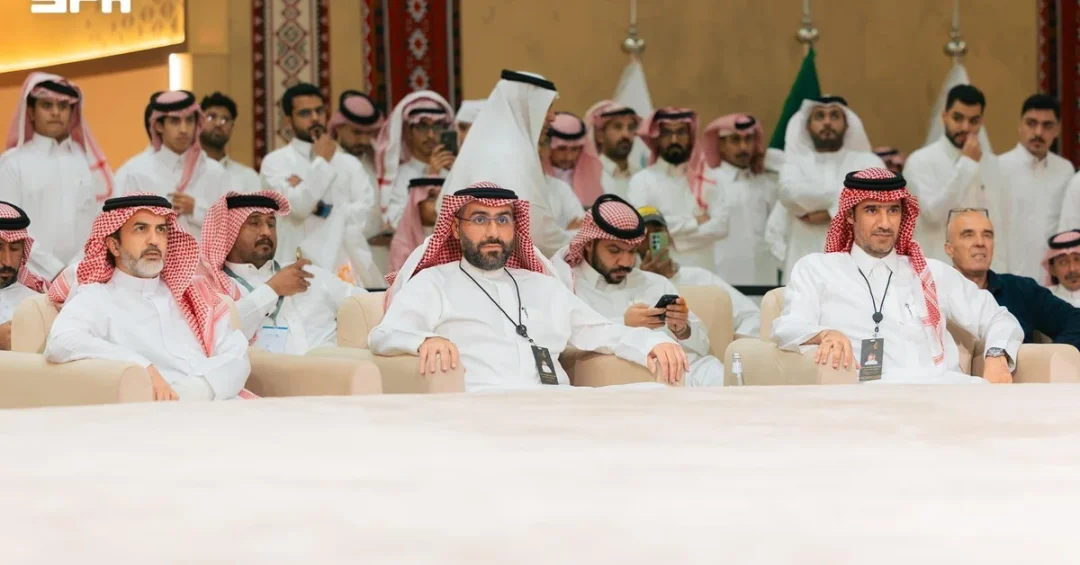
Six falcons were sold on the eighth evening of the 2026 International Falcon Breeding Farms Auction, generating a total of 312,000 Saudi riyals, according to the Saudi Press Agency (SPA). The auction, held in Riyadh on August 19, 2026, attracted a large gathering of falconers and enthusiasts of this heritage practice, underscoring Saudi Arabia’s commitment to preserving its cultural traditions while promoting international engagement in falconry.
Context and Background
The auction is part of the annual International Falcon Breeding Farms Auction, organized by the Saudi Falcon Club (SFC) under the umbrella of the National Center for Falcons. This event serves as a premier international platform for the world’s elite falcons, bringing together breeders and buyers from the Kingdom and beyond. The auction is broadcast live on partner television channels and the National Center for Falcons’ social media platforms, ensuring global visibility and participation.
Falconry has deep roots in Saudi culture and heritage, and the Kingdom has been at the forefront of efforts to preserve and promote this practice, which was inscribed on UNESCO’s Representative List of the Intangible Cultural Heritage of Humanity in 2010. The auction not only supports the conservation of falconry but also contributes to the economic diversification goals of Saudi Vision 2030.
Key Details
The evening’s proceedings began with a young falcon from a Polish breeding farm, which was sold for 55,000 riyals. A second falcon, from a Dutch farm, fetched 50,000 riyals. The third falcon, originating from Ukraine, was sold for 70,000 riyals, the highest price of the night. A fourth falcon from Spain achieved 55,000 riyals, while a fifth from Austria went for 51,000 riyals. The final falcon of the evening, also from Austria, sold for 31,000 riyals.
These sales reflect the high quality and diversity of falcons available at the auction, which features top-tier breeding farms from around the world. The Saudi Falcon Club ensures that all falcons are healthy, well-documented, and legally traded, providing a trusted environment for both seasoned falconers and newcomers to the sport.
Implications and Impact
The success of the eighth evening showcases Saudi Arabia’s growing role as a global hub for falconry and related heritage industries. By hosting such international auctions, the Kingdom facilitates cross-cultural exchange and strengthens its ties with falconry communities worldwide. The event also provides significant economic opportunities for breeders, who gain access to a lucrative market, and for Saudi entrepreneurs involved in falconry-related services, such as veterinary care, equipment, and tourism.
Furthermore, the live broadcasting and digital engagement of the auction align with the Kingdom’s broader digital transformation efforts, reaching a global audience and promoting Saudi cultural heritage in a modern, accessible format.
Vision 2030 Alignment
The International Falcon Breeding Farms Auction embodies the spirit of Saudi Vision 2030 by preserving cultural heritage, fostering economic diversification, and positioning the Kingdom as a leading destination for heritage tourism and international events. As Saudi Arabia continues to open up to the world, initiatives like this auction not only celebrate the nation’s rich traditions but also contribute to a vibrant, forward-looking society where culture and modernity thrive together.
20 Questions
Q1. What was sold during the eighth evening of the 2026 International Falcon Breeding Farms Auction?
A1. Six falcons were sold, fetching a total of 312,000 Saudi riyals, according to the Saudi Press Agency (SPA).
Q2. Where and when did the eighth evening of the auction take place?
A2. The event was held in Riyadh on August 19, 2026, and attracted numerous falconers and heritage enthusiasts.
Q3. Who organized the International Falcon Breeding Farms Auction?
A3. The auction is organized by the Saudi Falcon Club (SFC) under the umbrella of the National Center for Falcons.
Q4. How was the first falcon of the evening described?
A4. The first falcon was a young falcon from a Polish breeding farm and was sold for 55,000 riyals.
Q5. Which country did the second falcon come from and for how much was it sold?
A5. The second falcon originated from a Dutch breeding farm and was sold for 50,000 riyals.
Q6. What was the highest price achieved during the evening and for which falcon?
A6. The highest price was 70,000 riyals for the third falcon, which came from a Ukrainian breeding farm.
Q7. How much did the Spanish falcon sell for?
A7. The Spanish falcon sold for 55,000 riyals, matching the price of the first falcon.
Q8. Which falcon was sold for 51,000 riyals?
A8. The fifth falcon, from an Austrian breeding farm, was sold for 51,000 riyals.
Q9. What was the final sale of the evening and its price?
A9. The sixth falcon, also from Austria, was sold for 31,000 riyals, concluding the evening.
Q10. How is the auction broadcast to a wider audience?
A10. The auction is broadcast live on partner television channels and on the social media platforms of the National Center for Falcons.
Q11. What is the purpose of the auction as described in the article?
A11. The auction provides a reliable international platform for elite falcons, bringing together falconers and breeders from Saudi Arabia and abroad.
Q12. Which Saudi entity is responsible for the auction?
A12. The National Center for Falcons, under which the Saudi Falcon Club operates, is responsible for organizing the auction.
Q13. How does the auction contribute to Saudi Arabia’s cultural preservation?
A13. The auction helps preserve the heritage of falconry, a UNESCO-recognized intangible cultural heritage with deep roots in Saudi culture.
Q14. What broader goals of Saudi Arabia does the auction support?
A14. The auction supports economic diversification, heritage tourism, and global engagement, all of which are key pillars of Saudi Vision 2030.
Q15. How many falcons were sold in total during this evening’s auction?
A15. Six falcons were sold in total during the eighth evening, generating 312,000 riyals.
Q16. Which countries were represented among the breeding farms?
A16. The breeding farms originated from Poland, the Netherlands, Ukraine, Spain, and Austria.
Q17. What is the international significance of the auction?
A17. The auction fosters international cooperation in falconry, promotes cultural exchange, and positions Saudi Arabia as a global hub for heritage trade.
Q18. How does the auction benefit breeders?
A18. Breeders gain access to a lucrative market and a prestigious platform to showcase their falcons to a worldwide audience.
Q19. What are some economic opportunities created by the auction?
A19. The auction stimulates tourism, veterinary services, equipment sales, and other falconry-related businesses, benefiting the local economy.
Q20. What role does technology play in this event?
A20. Technology facilitates live broadcasting and social media engagement, extending the auction’s reach globally and supporting digital transformation efforts.
Reader Feedback
We value your thoughts. Please share your feedback on this article.
Your feedback helps us improve our coverage.