


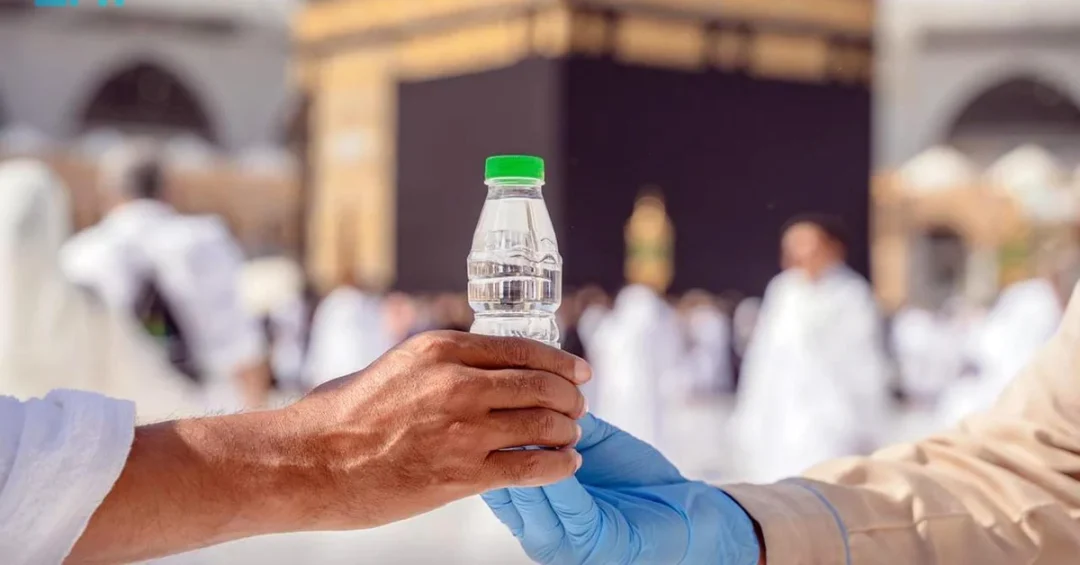
A delegation from the South African Hajj and Umrah Council (SAHUC) visited the automated Zamzam water filling center at Al-Zamazima Company in Makkah on June 2, 2024, to observe the advanced production, filling, and packaging processes that serve millions of pilgrims annually. The visit, reported by the Saudi Press Agency (SPA), highlights the Kingdom of Saudi Arabia’s commitment to leveraging modern technology to ensure the highest standards of quality and safety in serving guests of the holy sites.
Context and Background
Zamzam water holds profound spiritual significance for Muslims worldwide, drawing from the historic Well of Zamzam near the Kaaba in the Grand Mosque. For centuries, pilgrims have sought to bring this blessed water home as a cherished memento of their pilgrimage. In alignment with Saudi Vision 2030’s goals to enhance the pilgrimage experience, the Kingdom has invested heavily in modernizing the production and distribution of Zamzam water. Al-Zamazima Company, a state-owned enterprise, operates the automated filling center, which employs cutting-edge technology to meet the vast demand during Hajj and Umrah seasons. The SAHUC delegation’s visit underscores the international recognition of Saudi Arabia’s efforts to manage this sacred resource with efficiency and reverence.
Key Details
During the tour, Eng. Abdulelah Munif, Production Manager at Al-Zamazima Company, provided the delegation with a comprehensive briefing on the filling, packaging, and storage operations. He highlighted the integration of modern technologies that streamline the process while maintaining rigorous quality control. A dedicated quality measurement unit ensures that every bottle meets the highest standards of purity and safety. The delegation observed firsthand how automation has increased production capacity, reduced human error, and upheld the sanctity of Zamzam water throughout the supply chain.
Implications and Impact
The visit by the South African Hajj and Umrah Council reflects the growing international cooperation between Saudi Arabia and Muslim-majority nations in facilitating pilgrimage. By showcasing the automated center, Saudi Arabia demonstrates its leadership in managing large-scale religious logistics, a model that other countries can emulate. This transparency builds trust among pilgrims and reinforces the Kingdom’s role as a global hub for Islamic affairs. Moreover, the efficient distribution of Zamzam water enhances the overall pilgrimage experience, allowing devotees to focus on their spiritual journey.
Vision 2030 Alignment
This initiative aligns seamlessly with Saudi Vision 2030, which seeks to elevate the quality of services for pilgrims and expand the Kingdom’s capacity to host increasing numbers of visitors. Through continuous innovation and infrastructure development, Saudi Arabia is not only preserving a sacred tradition but also setting new benchmarks for excellence in religious tourism. As the Kingdom prepares for future Hajj seasons, such advancements will play a pivotal role in fulfilling its commitment to serve Islam and Muslims worldwide.
20 Questions
Q1. What is the purpose of the South African Hajj and Umrah Council’s visit to Makkah?
A1. The delegation visited to learn about the automated production, filling, and packaging of Zamzam water bottles at Al-Zamazima Company, aiming to understand the advanced processes that ensure quality and safety for pilgrims.
Q2. Who briefed the delegation on the Zamzam water operations?
A2. Eng. Abdulelah Munif, Production Manager at Al-Zamazima Company, provided a detailed briefing on the filling, packaging, and storage operations, highlighting the use of modern technologies.
Q3. What technologies are used in the Zamzam water filling center?
A3. The center utilizes state-of-the-art automation for filling and packaging, including an independent quality measurement unit to maintain the highest standards of purity and safety.
Q4. Why is Zamzam water significant to Muslims?
A4. Zamzam water is revered for its historical and spiritual connection to the Well of Zamzam near the Kaaba, and pilgrims cherish it as a blessed memento of their pilgrimage.
Q5. How does the automated center benefit pilgrims?
A5. Automation increases production capacity, ensures consistent quality, and reduces human error, allowing pilgrims to receive safe and pure Zamzam water efficiently during Hajj and Umrah.
Q6. What is the role of Al-Zamazima Company?
A6. Al-Zamazima Company is a state-owned enterprise responsible for the production and distribution of Zamzam water, operating the automated filling center to serve millions of pilgrims annually.
Q7. How does this visit reflect Saudi-South African relations?
A7. The visit signifies international cooperation and trust, showcasing Saudi Arabia’s expertise in managing pilgrimage logistics and fostering ties with Muslim-majority nations.
Q8. What quality control measures are in place at the center?
A8. The center has a dedicated quality measurement unit that ensures every bottle meets strict standards of purity and safety throughout the manufacturing and packaging process.
Q9. How does this initiative align with Saudi Vision 2030?
A9. It aligns with Vision 2030 by enhancing pilgrimage services, expanding capacity, and demonstrating innovation in religious tourism, reinforcing Saudi Arabia’s role as a global Islamic hub.
Q10. What is the significance of automating Zamzam water production?
A10. Automation ensures efficiency, consistency, and hygiene, allowing the Kingdom to meet high demand while preserving the sanctity and quality of Zamzam water for all pilgrims.
Q11. How many pilgrims benefit from the Zamzam water distribution?
A11. Millions of pilgrims performing Hajj and Umrah annually benefit from the distribution, which is designed to accommodate the large-scale needs during peak seasons.
Q12. What did the delegation learn about storage operations?
A12. The delegation observed how Zamzam water is stored under optimal conditions to maintain its purity and quality before being packaged and distributed to pilgrims.
Q13. How does Saudi Arabia ensure the safety of Zamzam water?
A13. Through rigorous quality control, modern technology, and dedicated units for measurement, Saudi Arabia guarantees that Zamzam water is safe, pure, and handled with the highest care.
Q14. What other countries have shown interest in Saudi Arabia’s Zamzam water management?
A14. Many Muslim-majority nations, including South Africa, have expressed interest, recognizing Saudi Arabia’s leadership in managing religious logistics and serving pilgrims.
Q15. How does the center handle peak pilgrimage seasons?
A15. The automated center scales production efficiently during Hajj and Umrah seasons, ensuring a steady supply of Zamzam water to meet the increased demand from pilgrims.
Q16. What is the historical background of Zamzam water distribution?
A16. Historically, Zamzam water was manually drawn and distributed; now, Saudi Arabia uses advanced automation to preserve tradition while meeting modern demands.
Q17. How does this visit promote transparency?
A17. By inviting international delegations to tour the facility, Saudi Arabia demonstrates openness and confidence in its processes, building trust among global stakeholders.
Q18. What economic impact does the Zamzam water industry have?
A18. The industry supports job creation, technological innovation, and infrastructure development, contributing to Saudi Arabia’s economic diversification goals under Vision 2030.
Q19. What future developments are planned for the Zamzam water center?
A19. While specific plans are not disclosed, Saudi Arabia continues to invest in innovation and capacity expansion to enhance services for the growing number of pilgrims.
Q20. How can other countries learn from Saudi Arabia’s model?
A20. Other nations can adopt similar automation and quality control measures to manage religious resources efficiently, ensuring safety and satisfaction for devotees.
Reader Feedback
We value your thoughts. Please share your feedback on this article.
Your feedback helps us improve our coverage.