


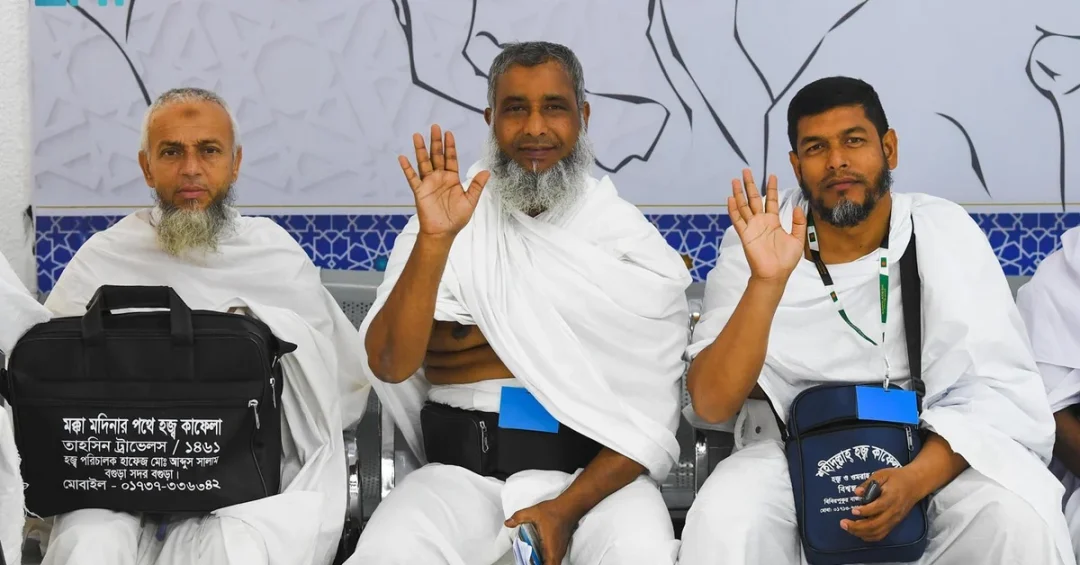
The Saudi Press Agency (SPA) has documented the departure of pilgrims from Hazrat Shahjalal International Airport in Dhaka, Bangladesh, who are beneficiaries of the Makkah Route Initiative, as they travel to the Kingdom of Saudi Arabia to perform Hajj rituals for the year 1445 AH. The initiative, a flagship program under Saudi Arabia’s Vision 2030, aims to streamline the Hajj journey for pilgrims by facilitating their travel procedures directly from their home countries.
Context and Background
The Makkah Route Initiative is a key component of Saudi Arabia’s efforts to enhance the Hajj experience for pilgrims from around the world. Launched in 2019, the initiative allows pilgrims to complete their visa, passport, and customs procedures at their departure airports, eliminating the need to go through these processes upon arrival in Saudi Arabia. This year, Bangladesh is one of the countries participating in the initiative, reflecting the strong bilateral ties between the two nations.
The initiative is managed by the Ministry of Interior in coordination with the Ministry of Hajj and Umrah and other relevant Saudi authorities. It aligns with the objectives of Vision 2030 to improve the quality of services provided to pilgrims and to showcase Saudi Arabia’s commitment to hospitality and efficiency.
Key Details
SPA’s cameras captured the expressions of happiness and gratitude among the pilgrims as they completed their travel procedures with ease. The pilgrims praised the services provided by the Kingdom, which allowed them to depart with complete tranquility. They expressed their thanks to the Custodian of the Two Holy Mosques and HRH the Crown Prince and Prime Minister for the invaluable services that ensure their comfort throughout the Hajj journey.
The Makkah Route Initiative involves the deployment of Saudi personnel and advanced technology to departure airports in participating countries. This includes dedicated counters for passport control, baggage handling, and security checks, all designed to provide a seamless experience for pilgrims. The initiative has been praised for reducing waiting times and enhancing the overall pilgrimage experience.
Implications and Impact
The Makkah Route Initiative has significant implications for Saudi Arabia’s international relations and its role as the custodian of the Two Holy Mosques. By extending its services to countries like Bangladesh, Saudi Arabia demonstrates its commitment to facilitating the Hajj for Muslims worldwide, reinforcing its leadership in the Islamic world. The initiative also strengthens bilateral ties with participating countries, fostering goodwill and cooperation.
Moreover, the initiative contributes to Vision 2030’s goal of attracting more pilgrims and enhancing the pilgrimage experience. By streamlining procedures, Saudi Arabia aims to increase the number of pilgrims and Umrah performers, thereby boosting the tourism and hospitality sectors. This aligns with the broader economic diversification goals of Vision 2030.
Vision 2030 Alignment
The Makkah Route Initiative is a testament to Saudi Arabia’s dedication to Vision 2030, which seeks to transform the Kingdom into a global hub for tourism and Islamic pilgrimage. By continuously improving services for pilgrims, Saudi Arabia not only fulfills its religious duty but also showcases its modern infrastructure and organizational capabilities. As the Kingdom prepares to welcome millions of pilgrims in the coming years, initiatives like this will play a crucial role in ensuring a smooth and spiritually fulfilling journey for all.
20 Questions
Q1. What is the Makkah Route Initiative?
A1. The Makkah Route Initiative is a Saudi program that allows pilgrims to complete visa, passport, and customs procedures at their departure airports, streamlining their arrival in Saudi Arabia for Hajj and Umrah.
Q2. When was the Makkah Route Initiative launched?
A2. The initiative was launched in 2019 as part of Saudi Arabia’s efforts to enhance the Hajj experience and align with Vision 2030 goals.
Q3. Which countries participate in the Makkah Route Initiative?
A3. Several countries participate, including Bangladesh, Pakistan, Indonesia, Malaysia, and Morocco, among others, with the list expanding over time.
Q4. How does the initiative benefit pilgrims?
A4. It reduces waiting times and simplifies procedures, allowing pilgrims to complete necessary formalities in their home countries and arrive in Saudi Arabia with ease.
Q5. Who manages the Makkah Route Initiative?
A5. The initiative is managed by Saudi Arabia’s Ministry of Interior in coordination with the Ministry of Hajj and Umrah and other relevant authorities.
Q6. What did the pilgrims express upon their departure?
A6. The pilgrims expressed happiness and gratitude to the Custodian of the Two Holy Mosques and the Crown Prince for the services provided, which ensured a smooth and tranquil journey.
Q7. How does the initiative reflect Saudi Vision 2030?
A7. It aligns with Vision 2030 by improving pilgrimage services, enhancing the visitor experience, and supporting economic diversification through increased tourism.
Q8. What is the significance of the initiative for Saudi-Bangladesh relations?
A8. It strengthens bilateral ties by demonstrating Saudi Arabia’s commitment to facilitating Hajj for Bangladeshi pilgrims, fostering goodwill and cooperation.
Q9. How many pilgrims benefit from the initiative annually?
A9. The number varies, but it serves thousands of pilgrims from participating countries, contributing to a smoother Hajj season.
Q10. What procedures are completed at the departure airport?
A10. Pilgrims complete visa verification, passport control, and customs procedures, as well as baggage handling, all before boarding their flight to Saudi Arabia.
Q11. What technology is used in the initiative?
A11. Advanced technology, including dedicated counters and biometric systems, is used to expedite processing and ensure security.
Q12. How does the initiative contribute to Saudi Arabia’s economy?
A12. By facilitating pilgrim travel, it boosts the tourism and hospitality sectors, contributing to economic diversification goals under Vision 2030.
Q13. What role does SPA play in documenting the initiative?
A13. SPA provides media coverage, documenting the departure of pilgrims and highlighting the services provided by Saudi Arabia.
Q14. Are there any costs to pilgrims for this service?
A14. The initiative is part of Saudi Arabia’s services to pilgrims and is provided at no additional cost to the pilgrims themselves.
Q15. How does the initiative handle baggage?
A15. Baggage is checked and tagged at the departure airport, with streamlined transfer to the pilgrim’s accommodation in Saudi Arabia.
Q16. What are the future plans for the initiative?
A16. Saudi Arabia plans to expand the initiative to more countries and enhance its services, further improving the Hajj experience.
Q17. How does the initiative ensure security?
A17. Security is ensured through coordination with local authorities, use of advanced screening technology, and strict adherence to safety protocols.
Q18. What is the reaction of pilgrims to the initiative?
A18. Pilgrims have expressed satisfaction and gratitude, praising the ease and efficiency of the process and the comfort it provides.
Q19. Does the initiative include Umrah pilgrims?
A19. While primarily for Hajj, the initiative’s principles are also applied to Umrah pilgrims in some cases, depending on the season and agreements.
Q20. How does the initiative reflect Saudi Arabia’s leadership in the Islamic world?
A20. It demonstrates Saudi Arabia’s dedication to serving pilgrims and upholding its role as custodian of the Two Holy Mosques, reinforcing its leadership and commitment to Islamic solidarity.
Reader Feedback
We value your thoughts. Please share your feedback on this article.
Your feedback helps us improve our coverage.