


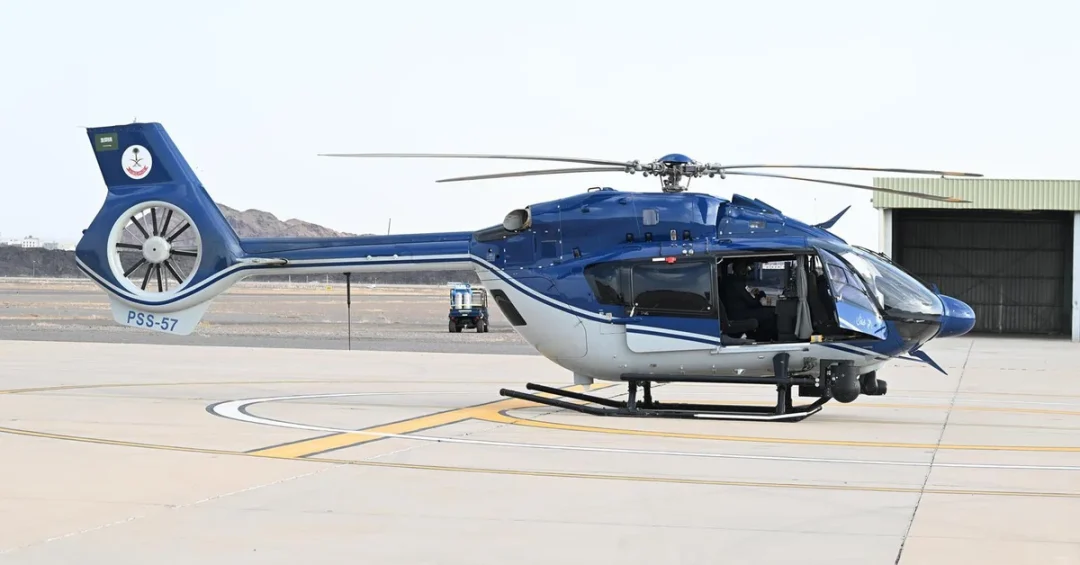
The Saudi Press Agency (SPA) accompanied a Security Aviation flight over Madinah during the Hajj season to observe the smooth flow of pilgrim buses, as part of comprehensive efforts to ensure a safe and efficient Hajj experience. The aerial inspection tour, conducted on Tuesday, June 11, 2024, monitored traffic on key roads leading to major mosques and historical sites frequented by pilgrims.
Context and Background
During the annual Hajj pilgrimage, millions of Muslims from around the world gather in the Kingdom of Saudi Arabia to perform religious rites. Madinah, home to the Prophet’s Mosque and numerous historical Islamic sites, receives a significant number of pilgrims before and after the Hajj rituals in Makkah. Ensuring their safe and smooth movement is a top priority for Saudi authorities, who deploy extensive resources across various sectors.
Security Aviation, a specialized unit under the Ministry of Interior, conducts aerial patrols to monitor security and traffic conditions, particularly during peak seasons like Hajj. These flights provide real-time oversight of pilgrim transportation, helping authorities address any issues promptly and maintain order on the roads.
Key Details
On this particular flight, SPA journalists joined Security Aviation personnel to observe the movement of buses carrying Hajj pilgrims on designated routes in Madinah. The tour covered main roads, including those near the Miqat (Dhul Hulaifah) Mosque, a key starting point for pilgrims entering the state of Ihram, as well as other historical sites commonly visited by pilgrims and tourists.
The aerial inspection also aimed to assess the efforts of various government agencies and relevant sectors in implementing the planned transportation of pilgrims from Madinah to Makkah. This coordination ensures that pilgrims can travel comfortably and safely between the two holy cities, a journey that is a fundamental part of the Hajj experience.
Implications and Impact
The use of aerial surveillance reflects Saudi Arabia’s commitment to leveraging advanced technology and inter-agency cooperation to manage the large-scale movement of pilgrims. By monitoring traffic flow from the air, authorities can quickly identify bottlenecks or disruptions and coordinate ground responses, minimizing delays and enhancing safety.
This proactive approach not only benefits pilgrims but also supports the broader goal of maintaining security and order during Hajj, one of the world’s largest annual gatherings. It underscores the Kingdom’s capability to host millions of visitors with efficiency and care, reinforcing its reputation as a trusted custodian of the Two Holy Mosques.
Vision 2030 Alignment
This initiative aligns with Saudi Vision 2030’s objectives to enhance the pilgrimage experience, improve infrastructure, and utilize smart technologies for public safety and crowd management. By ensuring seamless transportation and security, the Kingdom continues to elevate its services for pilgrims, contributing to the spiritual and economic success of Hajj. As Saudi Arabia advances its Vision 2030 goals, such integrated efforts demonstrate its dedication to providing world-class hospitality and logistical support to all guests of God.
20 Questions
Q1. What was the purpose of the Security Aviation flight over Madinah?
A1. The flight aimed to monitor the security situation and ensure smooth traffic flow of buses carrying Hajj pilgrims on designated roads, as part of Hajj season operations.
Q2. Which agency accompanied the Security Aviation flight?
A2. The Saudi Press Agency (SPA) accompanied the flight to observe and report on the aerial inspection tour over Madinah.
Q3. When did this aerial inspection take place?
A3. The inspection took place on Tuesday, June 11, 2024, during the Hajj season, as reported by SPA.
Q4. What specific areas were monitored during the flight?
A4. The flight monitored main roads in Madinah, including the vicinity of major mosques, the Miqat (Dhul Hulaifah) Mosque, and historical sites frequently visited by pilgrims.
Q5. Why is Madinah significant during the Hajj season?
A5. Madinah is home to the Prophet’s Mosque and many historical Islamic sites, attracting millions of pilgrims who visit before or after the Hajj rituals in Makkah.
Q6. What is the role of Security Aviation in Hajj operations?
A6. Security Aviation conducts aerial patrols to monitor security and traffic conditions, providing real-time oversight to ensure the safety and smooth movement of pilgrims.
Q7. How does the aerial inspection help pilgrims?
A7. It helps identify traffic issues quickly, allowing authorities to respond promptly and maintain a seamless flow of buses, reducing delays and enhancing safety for pilgrims.
Q8. What other government agencies are involved in pilgrim transportation?
A8. Various government agencies and relevant sectors coordinate to implement the planned transportation of pilgrims from Madinah to Makkah, ensuring efficiency and safety.
Q9. What is the Miqat (Dhul Hulaifah) Mosque?
A9. It is a designated Miqat where pilgrims entering Madinah assume Ihram before proceeding to Makkah for Hajj or Umrah rituals.
Q10. How does this initiative reflect Saudi Arabia’s commitment to pilgrims?
A10. It demonstrates the Kingdom’s dedication to leveraging advanced technology and inter-agency cooperation to provide a safe and comfortable pilgrimage experience.
Q11. What technology is used in these aerial inspections?
A11. Security Aviation utilizes aircraft to conduct aerial surveillance, enabling real-time monitoring of traffic and security conditions on the ground.
Q12. How does this effort align with Vision 2030?
A12. It aligns with Vision 2030 goals to enhance pilgrimage services, improve infrastructure, and use smart technologies for public safety and crowd management.
Q13. What is the significance of monitoring historical sites?
A13. Historical sites are frequently visited by pilgrims, so monitoring them helps ensure smooth traffic flow and safety in areas of high congregation.
Q14. How many pilgrims are expected this Hajj season?
A14. Millions of pilgrims from around the world are expected, though exact numbers vary annually based on quotas and global conditions.
Q15. What happens if traffic issues are detected during the flight?
A15. Authorities on the ground are alerted to address the issue promptly, ensuring minimal disruption to pilgrim movement.
Q16. Why is the transportation of pilgrims from Madinah to Makkah important?
A16. It is a fundamental part of the Hajj journey, requiring careful planning and coordination to ensure pilgrims arrive safely and on time for rituals.
Q17. How does SPA contribute to Hajj coverage?
A17. SPA provides official news and updates on Hajj operations, including joining inspection tours to report on efforts to serve pilgrims.
Q18. What other measures are in place to ensure pilgrim safety?
A18. Measures include ground security patrols, traffic management, medical services, and extensive infrastructure to support the large influx of pilgrims.
Q19. How does this initiative impact the local community in Madinah?
A19. It helps maintain order and safety, benefiting both pilgrims and residents by ensuring efficient traffic flow and reducing congestion during the busy season.
Q20. What is the ultimate goal of these aerial inspections?
A20. The goal is to ensure a seamless and secure Hajj experience for all pilgrims, reflecting Saudi Arabia’s commitment to excellent service and hospitality.
Reader Feedback
We value your thoughts. Please share your feedback on this article.
Your feedback helps us improve our coverage.