


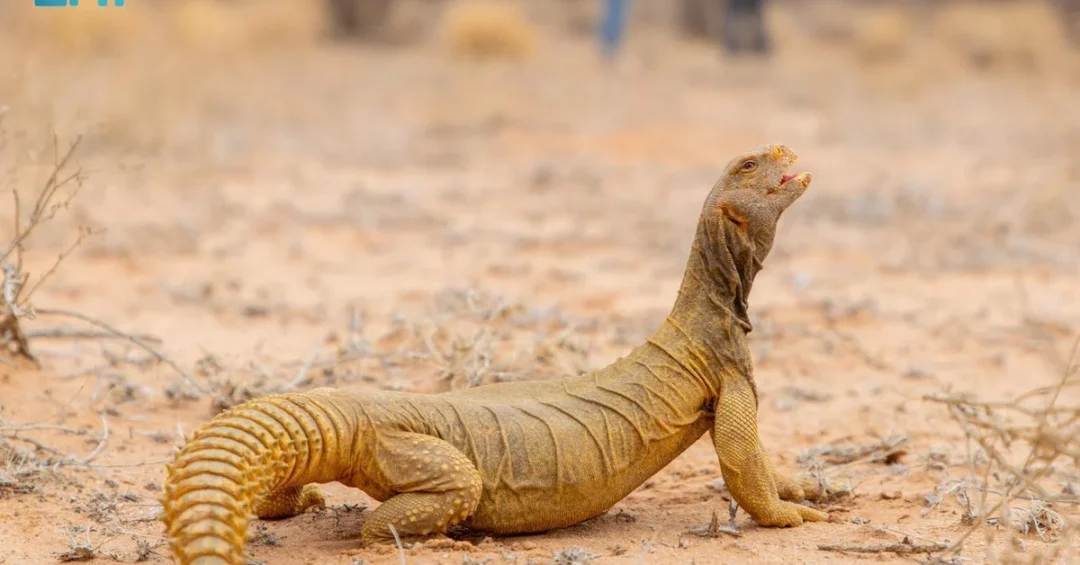
The Imam Abdulaziz bin Mohammed Royal Reserve Development Authority, in cooperation with the National Center for Wildlife (NCW), has released over 20 spiny-tailed lizards into the King Khalid Royal Reserve. This initiative, announced by the Saudi Press Agency on August 7, 2024, is part of ongoing joint programs aimed at reintroducing endangered wildlife species into their natural habitats across the Kingdom.
Context and Background
The spiny-tailed lizard, also known as the dabb lizard, is a species native to arid regions of the Middle East and North Africa. The International Union for Conservation of Nature (IUCN) has classified it as an endangered species, highlighting the urgency of conservation efforts. The release into the King Khalid Royal Reserve, a protected area that spans diverse ecosystems in Saudi Arabia, is a strategic step to bolster the species’ population and restore its ecological role.
Key Details
The Imam Abdulaziz bin Mohammed Royal Reserve Development Authority emphasized that the release aims to boost the population of spiny-tailed lizards in the reserve, allowing them to contribute to ecological balance by controlling insect populations and aiding in seed dispersal. The authority, in partnership with the National Center for Wildlife, has previously released several other endangered species, including the Arabian sand gazelle, mountain gazelle, Arabian oryx, and Nubian ibex, demonstrating a comprehensive approach to wildlife restoration.
Implications and Impact
This release underscores Saudi Arabia’s commitment to environmental sustainability and biodiversity conservation, aligning with global efforts to combat species extinction. The reintroduction of native species helps restore natural ecosystems, supports ecotourism, and enhances the resilience of habitats against climate change. It also reflects the Kingdom’s leadership in regional conservation, setting a precedent for collaborative initiatives between government authorities and specialized wildlife centers.
Vision 2030 Alignment
The release of the spiny-tailed lizards is part of a wider endeavor that seeks to increase the population of endangered species in realization of the national environment conservation strategy and the Saudi Vision 2030. This initiative directly supports the Vision’s goals of preserving natural heritage, promoting environmental sustainability, and enriching the quality of life for citizens and residents. By actively restoring biodiversity, Saudi Arabia is building a greener future that balances development with ecological stewardship.
20 Questions
Q1. What species was released into the King Khalid Royal Reserve?
A1. More than 20 spiny-tailed lizards, also known as dabb lizards, were released into the King Khalid Royal Reserve to boost their population.
Q2. Which organizations carried out the release?
A2. The Imam Abdulaziz bin Mohammed Royal Reserve Development Authority and the National Center for Wildlife (NCW) conducted the release.
Q3. Why is the spiny-tailed lizard considered endangered?
A3. The International Union for Conservation of Nature (IUCN) classifies the spiny-tailed lizard as endangered due to habitat loss and overhunting.
Q4. What is the main goal of releasing these lizards?
A4. The goal is to restore ecological balance by allowing the lizards to control insects and disperse seeds in their natural habitat.
Q5. How does this release support Saudi Arabia’s environmental strategy?
A5. It aligns with the national environment conservation strategy and Vision 2030 by increasing populations of endangered species.
Q6. Have other animals been released into the reserve before?
A6. Yes, the authority and NCW have released Arabian sand gazelle, mountain gazelle, Arabian oryx, and Nubian ibex among others.
Q7. Where is the King Khalid Royal Reserve located?
A7. The reserve is located in Saudi Arabia, covering diverse ecosystems such as deserts and mountain ranges.
Q8. What role do spiny-tailed lizards play in the ecosystem?
A8. They help control insect populations and aid in seed dispersal, contributing to soil health and plant growth.
Q9. Is this initiative part of a larger program?
A9. Yes, it is part of joint programs by the reserve authority and NCW to reintroduce endangered wildlife across Saudi Arabia.
Q10. How does the release promote ecotourism?
A10. By restoring native species, the reserve becomes more attractive for wildlife viewing and educational tourism.
Q11. What threat does the spiny-tailed lizard face in the wild?
A11. Primary threats include habitat destruction, illegal hunting, and competition from invasive species.
Q12. How does the release connect to Vision 2030?
A12. It supports Vision 2030’s goals of environmental sustainability, heritage conservation, and improved quality of life.
Q13. What is the IUCN’s role in this process?
A13. The IUCN provides classification and guidance on endangered species, informing conservation priorities for Saudi authorities.
Q14. Are there plans to release more spiny-tailed lizards?
A14. The initiative suggests ongoing monitoring and potential future releases to ensure population growth and stability.
Q15. How does the public benefit from these conservation efforts?
A15. The public gains from healthier ecosystems, enhanced natural heritage, and opportunities for eco-education and recreation.
Q16. What is the Imam Abdulaziz bin Mohammed Royal Reserve Development Authority?
A16. It is a Saudi government body responsible for managing and developing the royal reserve and its wildlife programs.
Q17. How does the National Center for Wildlife contribute?
A17. NCW provides expertise, resources, and coordination for wildlife conservation and reintroduction projects across the Kingdom.
Q18. What other species are targets for reintroduction?
A18. The authority focuses on endangered native species, including mammals, birds, and reptiles like the Arabian oryx and mountain gazelle.
Q19. Is the King Khalid Royal Reserve open to visitors?
A19. Yes, the reserve supports controlled ecotourism and research visits, subject to regulations to protect wildlife and habitats.
Q20. How does this initiative reflect Saudi Arabia’s global role?
A20. It demonstrates Saudi leadership in biodiversity conservation, aligning with international standards and fostering cooperation on environmental issues.
Reader Feedback
We value your thoughts. Please share your feedback on this article.
Your feedback helps us improve our coverage.