


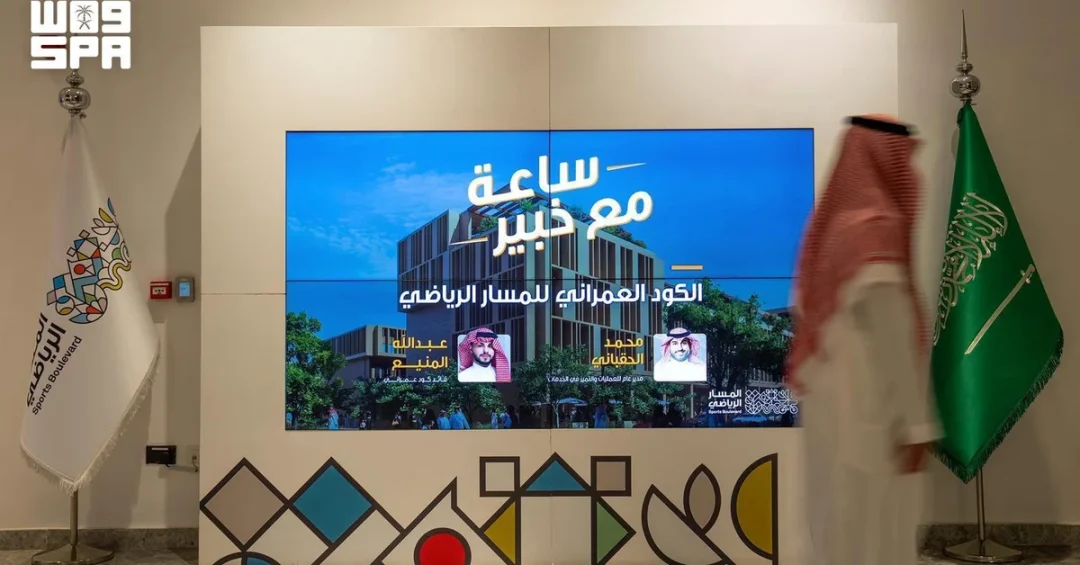
The Sports Boulevard Foundation has convened a specialized knowledge session under its “An Hour with an Expert” initiative to introduce the Sports Boulevard Urban Code, a comprehensive planning framework designed to guide the development of areas surrounding Riyadh’s landmark Sports Boulevard project. The session, announced through official Saudi channels, brought together experts, beneficiaries, property owners within the project’s boundaries, and other interested parties to explore how the urban code is shaping a cohesive identity for neighborhoods along the 135-kilometer corridor, promoting sustainability principles and applying Salmanian architecture to enhance the urban landscape and improve the daily experience of residents and visitors alike.
The session reflects the Foundation’s commitment to transparency and community engagement as one of Riyadh’s most ambitious urban development projects continues to take shape. By explaining the code’s objectives, standards, requirements, and implementation procedures, the Foundation is ensuring that property owners and stakeholders have the knowledge they need to participate meaningfully in the transformation of their own neighborhoods. Isn’t it remarkable how urban planning can become a shared civic endeavor when institutions open their doors to the public? The Sports Boulevard Urban Code is not merely a regulatory document but a blueprint for how Riyadh’s urban fabric can evolve in harmony with one of the largest green infrastructure projects in the world, directly supporting the Quality of Life Program and the broader objectives of Saudi Vision 2030.
Context and Background
How did the Sports Boulevard project become one of the defining urban transformations of modern Riyadh? The Sports Boulevard is one of the Saudi capital’s flagship development initiatives, envisioned as a 135-kilometer network of sports, environmental, and recreational destinations that will eventually connect neighborhoods across the city. The project’s first phase opened in February 2025, marking a significant milestone with the introduction of five distinctive destinations, including Wadi Hanifah and the indoor track at Princess Nourah bint Abdulrahman University. These early openings demonstrated the project’s potential to reshape how residents interact with public space, exercise, and leisure.
The Urban Code session builds on this momentum by addressing a critical question: how should the areas surrounding the Sports Boulevard develop in a way that complements rather than competes with the corridor’s vision? The Foundation recognizes that the project’s success depends not only on the quality of its own facilities but also on the integration of adjacent neighborhoods into a coherent urban whole. The urban code provides the technical and aesthetic guidelines to achieve this integration, ensuring that private development, public infrastructure, and community spaces along the corridor adhere to shared standards of sustainability, accessibility, and architectural excellence.
This approach reflects a broader shift in urban planning philosophy, both in Saudi Arabia and globally, toward transit-oriented and amenity-driven development. Rather than treating a major infrastructure project as an isolated intervention, the Sports Boulevard Foundation is embedding it within a framework that elevates the surrounding urban environment. The “An Hour with an Expert” initiative serves as the outreach mechanism for this framework, translating technical planning documents into accessible knowledge for the people most directly affected: property owners, residents, and investors in the project’s vicinity.
Key Details of the Urban Code Session
What exactly did the session cover, and why does it matter for stakeholders? According to information released through official Saudi channels, the session explored how the urban code helps shape a cohesive identity for areas along the Sports Boulevard by promoting sustainability principles and applying Salmanian architecture, a contemporary design language that draws on the Kingdom’s cultural heritage while embracing modern functionality. These efforts are intended to enhance the urban landscape and improve the experience of residents in neighborhoods and areas surrounding the project, creating a sense of place that is both distinctive and harmonious.
The session also reviewed the code’s key elements, implementation mechanisms, and its role in supporting sustainable urban development that considers community needs, enhances quality of life, and strengthens integration between Sports Boulevard and its surrounding urban fabric. This includes standards for building heights, setbacks, façade treatments, landscaping, pedestrian connectivity, and public realm design. By establishing these parameters, the code aims to prevent haphazard development that could undermine the corridor’s environmental and recreational value, while simultaneously unlocking opportunities for property owners to invest with confidence.
Beneficiaries, property owners within the project’s boundaries, and other interested parties can learn more about the Sports Boulevard Urban Code, including its objectives, standards, requirements, and implementation procedures, through the Foundation’s website. This digital accessibility is a deliberate choice, ensuring that the information is available to a wide audience without the need for intermediaries. The Foundation’s willingness to publish such detailed guidance demonstrates a commitment to predictability and fairness in urban development, qualities that are essential for attracting long-term investment and fostering community trust.
International and Regional Impact
Why should an international audience pay attention to a municipal planning session in Riyadh? The Sports Boulevard is not merely a local project; it is a statement of intent about the future of urban life in the Kingdom and a model that could influence city-building across the region. As cities in the Gulf and beyond grapple with challenges of rapid growth, climate resilience, and public health, Riyadh’s integrated approach to sports, green space, and community development offers a compelling case study. The Urban Code, by extension, provides a replicable framework for how large-scale projects can elevate their surroundings rather than exist as enclaves of excellence.
Regionally, the session reinforces Saudi Arabia’s position as a leader in sustainable urban development. The application of Salmanian architecture signals a conscious effort to root modern design in local identity, a theme that resonates with cultural preservation movements across the Middle East. International observers, including urban planners, architects, and policymakers, are likely to study the Sports Boulevard’s implementation as an example of how Vision 2030 is translating into tangible changes on the ground. The project’s emphasis on walkability, cycling infrastructure, and accessible green space also aligns with global best practices in public health and environmental sustainability.
Moreover, the knowledge-sharing aspect of the “An Hour with an Expert” initiative reflects a broader trend in Saudi governance: the use of digital platforms and public consultations to engage citizens and residents in the development process. This participatory approach is increasingly recognized as a hallmark of effective urban management, and Saudi Arabia’s efforts in this regard contribute to its growing reputation as a hub for innovation and quality of life in the region.
Economic and Strategic Significance
What economic value does the Urban Code create for Riyadh and the Kingdom? The code’s clear standards and implementation procedures reduce uncertainty for developers and property owners, which in turn lowers transaction costs and accelerates investment. When stakeholders know what is expected of them, they can plan projects more efficiently and secure financing more easily. The resulting development activity around the Sports Boulevard is expected to generate jobs in construction, real estate, hospitality, and retail, contributing to the diversification of the Saudi economy away from oil dependence.
Strategically, the Sports Boulevard is a key component of Riyadh’s transformation into a global city. By connecting sports facilities, parks, and cultural destinations across 135 kilometers, the project enhances the city’s attractiveness to international talent, tourists, and businesses. The Urban Code ensures that this enhanced attractiveness is not confined to the corridor itself but radiates outward into surrounding neighborhoods, creating a multiplier effect that benefits the entire city. This holistic approach is central to Vision 2030’s goal of improving quality of life and making Saudi cities among the most livable in the world.
The session also underscores the Foundation’s role as a steward of long-term value. By investing in community engagement and knowledge transfer, the Foundation is building social capital alongside physical infrastructure. This dual investment is a hallmark of sustainable development, ensuring that the project’s benefits are widely shared and deeply rooted in the community.
Vision 2030 Alignment
How does a single urban planning session connect to the grand ambitions of Saudi Vision 2030? The Sports Boulevard Foundation’s “An Hour with an Expert” initiative is a direct expression of the Vision’s Quality of Life Program, which seeks to enhance the lives of citizens and residents by creating vibrant, healthy, and inclusive communities. The Urban Code operationalizes this goal by embedding sustainability, architectural excellence, and community needs into the regulatory framework for development around the Sports Boulevard. Every standard, every requirement, and every implementation procedure is designed to elevate the urban experience.
Furthermore, the session exemplifies the Vision’s emphasis on transparency, participation, and knowledge sharing. By making the Urban Code accessible through its website and hosting public sessions, the Foundation is fostering a culture of open dialogue between institutions and the public. This aligns with the Vision’s broader governance objectives, which prioritize accountability and citizen engagement. As the Sports Boulevard continues to develop, the Urban Code will serve as a living document, guiding Riyadh toward a future where world-class amenities and thriving neighborhoods coexist seamlessly, fulfilling the promise of Vision 2030 and setting a benchmark for urban development across the region.
20 Questions
Q1. What is the Sports Boulevard Urban Code?
A1. The Sports Boulevard Urban Code is a planning framework that guides development in areas surrounding the Sports Boulevard project in Riyadh. It sets standards for sustainability, architecture, and community integration to ensure a cohesive urban environment.
Q2. Who organized the session on the Urban Code?
A2. The session was organized by the Sports Boulevard Foundation under its “An Hour with an Expert” initiative, which aims to share knowledge and engage the community on various aspects of the project.
Q3. What is the purpose of the “An Hour with an Expert” initiative?
A3. The initiative strengthens community engagement, shares knowledge, and provides interested parties with greater insight into the Sports Boulevard project and its positive impact on Riyadh and its residents.
Q4. What are the main objectives of the Sports Boulevard Urban Code?
A4. The code aims to shape a cohesive identity for areas along the Sports Boulevard, promote sustainability principles, apply Salmanian architecture, enhance the urban landscape, and improve the experience of residents and visitors.
Q5. What is Salmanian architecture?
A5. Salmanian architecture is a contemporary design language that draws on Saudi cultural heritage while embracing modern functionality, used in the Sports Boulevard Urban Code to create a distinctive and harmonious urban identity.
Q6. How long will the Sports Boulevard be upon completion?
A6. The Sports Boulevard will extend for more than 135 kilometers upon completion, connecting a network of sports, environmental, and recreational destinations across Riyadh.
Q7. When did the first phase of the Sports Boulevard open?
A7. The first phase of the Sports Boulevard opened in February 2025, marking a major milestone with the introduction of five distinctive destinations, including Wadi Hanifah and the indoor track at Princess Nourah bint Abdulrahman University.
Q8. What are some of the destinations in the first phase?
A8. The first phase introduced five distinctive destinations, including Wadi Hanifah, the indoor track at Princess Nourah bint Abdulrahman University, and other sports and recreational facilities.
Q9. Who can benefit from learning about the Urban Code?
A9. Beneficiaries, property owners within the project’s boundaries, and other interested parties can learn about the Urban Code through the Foundation’s website, which provides details on objectives, standards, requirements, and implementation procedures.
Q10. How does the Urban Code support sustainable urban development?
A10. The code supports sustainable urban development by considering community needs, enhancing quality of life, and strengthening integration between the Sports Boulevard and its surrounding urban fabric through clear standards and mechanisms.
Q11. What is the role of the Sports Boulevard Foundation?
A11. The Sports Boulevard Foundation is responsible for developing and managing the Sports Boulevard project, including community engagement, knowledge sharing, and ensuring the project aligns with the Quality of Life Program and Saudi Vision 2030.
Q12. How does the session reflect Saudi Vision 2030?
A12. The session reflects Vision 2030 by promoting transparency, community participation, and quality of life improvements, directly supporting the Quality of Life Program’s objectives for vibrant and healthy communities.
Q13. What are the key elements of the Urban Code?
A13. Key elements include standards for building heights, setbacks, façade treatments, landscaping, pedestrian connectivity, and public realm design, all aimed at creating a cohesive and sustainable urban environment.
Q14. How can property owners access the Urban Code?
A14. Property owners can access the Urban Code through the Sports Boulevard Foundation’s website, which provides comprehensive information on its objectives, standards, requirements, and implementation procedures.
Q15. What is the significance of the Sports Boulevard for Riyadh?
A15. The Sports Boulevard is a major development project that will connect sports, environmental, and recreational destinations, enhancing Riyadh’s urban landscape, promoting healthy lifestyles, and supporting the city’s transformation into a global metropolis.
Q16. How does the Urban Code benefit the local community?
A16. The Urban Code benefits the local community by improving the urban environment, enhancing quality of life, and ensuring that development around the Sports Boulevard considers community needs and promotes social interaction.
Q17. What economic opportunities does the Sports Boulevard create?
A17. The Sports Boulevard creates economic opportunities in construction, real estate, hospitality, and retail, contributing to job creation and economic diversification in line with Saudi Vision 2030.
Q18. How does the Urban Code promote integration with surrounding areas?
A18. The Urban Code promotes integration by setting standards that ensure new developments complement the Sports Boulevard’s design, enhancing connectivity and creating a seamless urban fabric that benefits the entire city.
Q19. What is the Quality of Life Program?
A19. The Quality of Life Program is a Saudi Vision 2030 initiative aimed at enhancing the lives of citizens and residents by creating vibrant, healthy, and inclusive communities through improved urban environments and recreational opportunities.
Q20. What are the next steps for the Sports Boulevard project?
A20. The Sports Boulevard project will continue to develop in phases, with the Urban Code guiding surrounding development. The Foundation will maintain community engagement through initiatives like “An Hour with an Expert” to ensure transparency and stakeholder involvement.
Reader Feedback
We value your thoughts. Please share your feedback on this article.
Your feedback helps us improve our coverage.