


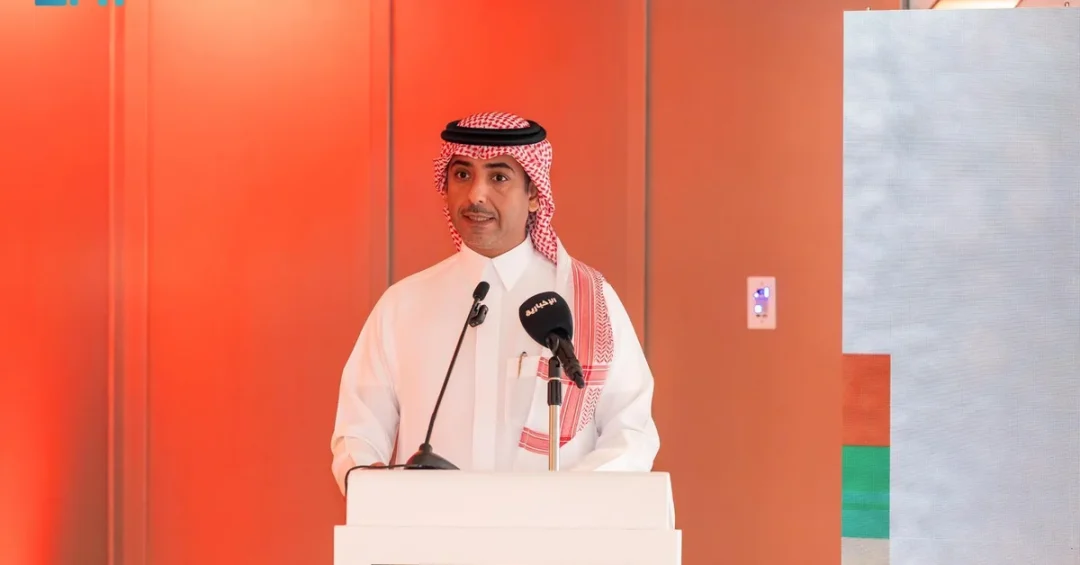
The Saudi Red Crescent Authority (SRCA) hosted a workshop in Jeddah on September 9, 2024, titled “Preventive Measures to Protect Humanitarian Aid and Health Services During Armed Conflicts.” The event, organized in collaboration with the Standing Committee on International Humanitarian Law and the Regional Mission of the International Committee of the Red Cross (ICRC) for Gulf Cooperation Council (GCC) countries, brought together representatives from several national Red Crescent and Red Cross organizations from Arab nations.
Context and Background
The workshop reflects Saudi Arabia’s ongoing commitment to international humanitarian law and the protection of aid workers in conflict zones. It aligns with the Kingdom’s broader efforts to promote peace and stability in the region, as well as its active role in global humanitarian initiatives. The collaboration with the ICRC and the Standing Committee underscores the importance of multilateral cooperation in addressing the challenges faced by humanitarian personnel.
Key Details
Director of the International Cooperation Department at the SRCA, Prince Abdullah bin Faisal Abdulrahman, emphasized the SRCA’s dedication to promoting international humanitarian law principles. He highlighted the critical need to protect humanitarian aid workers and healthcare providers during armed conflicts. The workshop covered topics such as the rights and responsibilities of health and humanitarian personnel in conflict zones, rules of engagement, and preventive measures to ensure the safety of humanitarian operations in military settings.
Participants also explored international experiences in delivering humanitarian aid in conflict zones, safeguarding humanitarian organization emblems, and mechanisms for holding violators accountable for offenses against health, media, and humanitarian personnel. The event provided a platform for sharing best practices and enhancing coordination among Arab Red Crescent and Red Cross societies.
Implications and Impact
This workshop represents a significant step in strengthening the legal and operational frameworks that protect humanitarian aid and health services during armed conflicts. By bringing together experts and practitioners from across the Arab world, it fosters a unified approach to addressing violations and ensuring accountability. The outcomes are expected to enhance the safety and effectiveness of humanitarian missions in conflict-affected regions, ultimately saving lives and alleviating suffering.
Furthermore, the event reinforces Saudi Arabia’s leadership in humanitarian diplomacy and its commitment to upholding international norms. It also highlights the Kingdom’s proactive stance in collaborating with international organizations like the ICRC to address pressing global challenges.
Vision 2030 Alignment
Saudi Arabia’s Vision 2030 emphasizes the Kingdom’s role as a responsible global actor and its dedication to humanitarian causes. This workshop aligns with Vision 2030’s goals of enhancing international cooperation, promoting peace, and protecting human dignity. By investing in such initiatives, Saudi Arabia continues to strengthen its position as a leader in humanitarian efforts and a catalyst for positive change in the region and beyond.
20 Questions
Q1. What was the title of the workshop hosted by the SRCA?
A1. The workshop was titled “Preventive Measures to Protect Humanitarian Aid and Health Services During Armed Conflicts.” It was held in Jeddah on September 9, 2024.
Q2. Which organizations collaborated to organize the workshop?
A2. The workshop was organized by the Saudi Red Crescent Authority in collaboration with the Standing Committee on International Humanitarian Law and the Regional Mission of the International Committee of the Red Cross for GCC countries.
Q3. Who emphasized the SRCA’s commitment to international humanitarian law?
A3. Prince Abdullah bin Faisal Abdulrahman, Director of the International Cooperation Department at the SRCA, emphasized the organization’s commitment to promoting international humanitarian law principles.
Q4. What topics were addressed during the workshop?
A4. Topics included the rights and responsibilities of health and humanitarian personnel in conflict zones, rules of engagement, preventive measures for safety, international experiences in humanitarian aid, safeguarding emblems, and accountability mechanisms.
Q5. Why is the protection of humanitarian aid workers important?
A5. Protecting humanitarian aid workers is crucial to ensure they can safely provide assistance to civilians in conflict zones, thereby saving lives and upholding human dignity.
Q6. Which nations participated in the workshop?
A6. Several national Red Crescent and Red Cross organizations from Arab nations participated in the workshop, fostering regional cooperation.
Q7. What is the role of the Standing Committee on International Humanitarian Law?
A7. The committee works to promote and implement international humanitarian law principles, collaborating with organizations like the SRCA and ICRC to enhance protection for aid workers.
Q8. How does this workshop align with Saudi Vision 2030?
A8. It aligns with Vision 2030 by enhancing international cooperation, promoting peace, and protecting human dignity, reflecting Saudi Arabia’s role as a responsible global actor.
Q9. What are rules of engagement in the context of humanitarian aid?
A9. Rules of engagement are guidelines that govern the conduct of military forces in conflict zones, ensuring the protection of humanitarian personnel and civilians.
Q10. What mechanisms exist for holding violators accountable?
A10. Mechanisms include international legal frameworks, tribunals, and sanctions that hold individuals or groups accountable for offenses against humanitarian and health personnel.
Q11. How does the ICRC contribute to such workshops?
A11. The ICRC provides expertise on international humanitarian law, facilitates dialogue, and shares best practices to enhance the protection of aid workers in conflict zones.
Q12. What is the significance of safeguarding humanitarian organization emblems?
A12. Safeguarding emblems like the Red Crescent and Red Cross ensures these symbols are respected and not misused, thereby protecting humanitarian missions.
Q13. What preventive measures can ensure the safety of humanitarian operations?
A13. Preventive measures include risk assessments, coordination with local authorities, training on security protocols, and adherence to international humanitarian law.
Q14. How does the SRCA support international humanitarian efforts?
A14. The SRCA supports international efforts by promoting humanitarian law, providing aid in conflict zones, and collaborating with global organizations like the ICRC.
Q15. What are the rights of health personnel in conflict zones?
A15. Health personnel have the right to safely provide medical care without discrimination, and their facilities and transports must be protected under international law.
Q16. Why is accountability important for violations against humanitarian personnel?
A16. Accountability deters future violations, ensures justice for victims, and reinforces the rule of law, thereby enhancing the protection of humanitarian workers.
Q17. How do workshops like this benefit regional cooperation?
A17. They foster dialogue, share best practices, and build consensus among Arab nations, leading to more effective and coordinated humanitarian responses.
Q18. What role does Saudi Arabia play in global humanitarian diplomacy?
A18. Saudi Arabia plays a leading role by funding humanitarian projects, hosting workshops, and participating in international forums to promote peace and aid.
Q19. What can participants learn from international experiences shared at the workshop?
A19. Participants learn innovative strategies, lessons from past conflicts, and practical solutions to improve the safety and efficiency of humanitarian operations.
Q20. How does this workshop reflect Saudi Arabia’s commitment to Vision 2030?
A20. It reflects Vision 2030’s emphasis on international cooperation, humanitarian values, and positioning the Kingdom as a global leader in peace and development.
Reader Feedback
We value your thoughts. Please share your feedback on this article.
Your feedback helps us improve our coverage.