


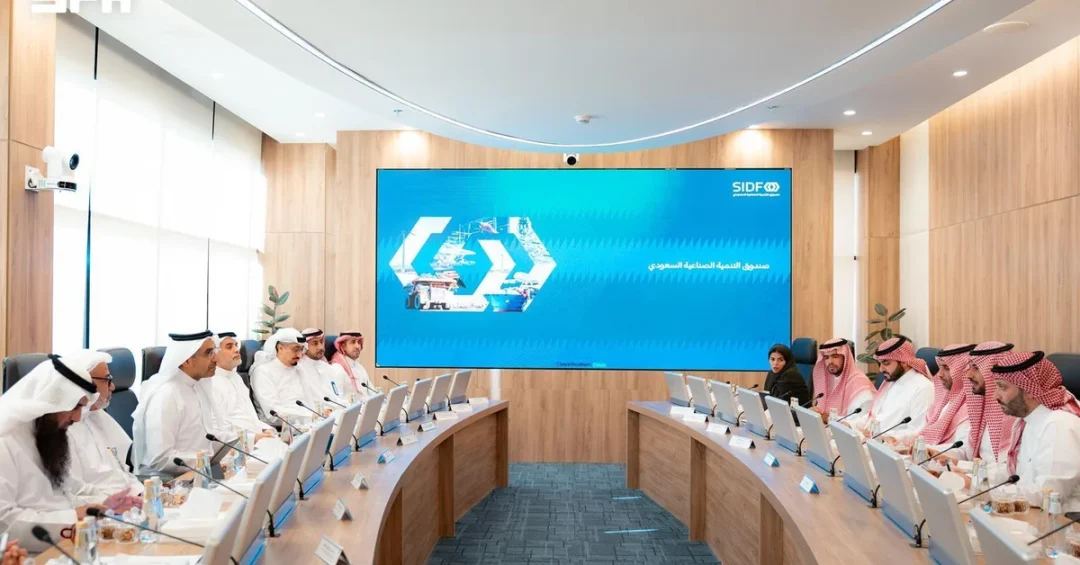
The President of the Saudi Water Authority (SWA), Eng. Abdullah bin Ibrahim Alabdulkarim, received the CEO of the Saudi Industrial Development Fund (SIDF), Prince Sultan bin Khalid bin Faisal, and a delegation of SIDF officials in Riyadh to discuss cooperation and enhance integration in the water sector, according to an official announcement released via the Saudi Press Agency. The meeting, held on November 3, 2026, focused on a supply chain financing program designed to provide innovative financing solutions that strengthen the sustainability of water sector supply chains. This high-level engagement underscores Saudi Arabia’s commitment to ensuring the reliability and efficiency of its critical water infrastructure, a cornerstone of the Kingdom’s Vision 2030 ambitions. How does such collaboration shape the future of water security in one of the world’s most water-scarce regions?
The discussions between SWA and SIDF signal a strategic move to bolster national capabilities and ensure uninterrupted water supply across the Kingdom. As Saudi Arabia continues its rapid modernization under Vision 2030, the demand for water—for residential, industrial, and agricultural use—is rising. The meeting reflects a proactive approach to addressing these challenges by integrating financial and developmental expertise. By focusing on supply chain financing, both entities aim to create a resilient ecosystem that supports local suppliers and enhances the sector’s readiness for future expansion. This aligns with the Kingdom’s broader goals of economic diversification and sustainable development. What does this mean for the thousands of businesses that form the backbone of Saudi Arabia’s water industry?
Context and Background
The Saudi Water Authority, established to regulate and develop the Kingdom’s water resources, plays a pivotal role in ensuring water security. It oversees desalination, distribution, and wastewater treatment, among other functions. The Saudi Industrial Development Fund, on the other hand, is a key financial institution that provides loans and advisory services to industrial projects, driving the growth of the national economy. Together, they represent a synergy between infrastructure management and industrial financing. Isn’t it logical that such collaboration would yield innovative solutions for supply chain resilience?
The water sector in Saudi Arabia is undergoing significant transformation. With the National Water Strategy 2030, the Kingdom aims to reduce demand, increase supply from non-conventional sources like desalination and treated wastewater, and improve efficiency. These goals require robust supply chains that can deliver everything from pipes and pumps to chemicals and advanced technology. Local suppliers are essential to this equation, but they often face liquidity constraints that hinder their ability to scale and meet the sector’s growing needs. The supply chain financing program discussed in the meeting addresses this gap by providing tailored financial solutions. How can such targeted financing unlock the potential of local industries?
Historically, Saudi Arabia has invested heavily in water infrastructure, with the Saline Water Conversion Corporation (SWCC) being one of the largest desalination operators globally. The SWA, which now oversees these efforts, is tasked with ensuring that these assets operate efficiently and that the supply chain supporting them remains robust. The SIDF has a long history of supporting industrial development, dating back to 1974. Its involvement in water sector supply chains is a natural extension of its mandate to foster sustainable industrial growth. This meeting, therefore, is not just about immediate financing but about building a long-term partnership that aligns with the Kingdom’s strategic objectives. What role will local content play in this evolving landscape?
Key Details of the Cooperation
The core of the discussion centered on a supply chain financing program that aims to provide innovative financing solutions. According to the official statement, the program is designed to help local suppliers access the liquidity needed to sustain operations and meet supply commitments. This is particularly crucial in the water sector, where delays or disruptions can have cascading effects on water availability. The program supports supply chain stability and efficiency by strengthening national companies’ ability to meet the sector’s needs and keep pace with operational requirements and future expansion. Doesn’t this highlight the importance of financial agility in maintaining essential services?
Moreover, the program creates growth opportunities for local suppliers, enhancing their capacity to expand. This contributes to local content development, stimulates national industries, and increases economic returns from spending in the water sector. By enabling local suppliers to thrive, the initiative also supports job creation and skills development, which are key pillars of Vision 2030. The meeting underscored both sides’ commitment to strengthening cooperation, coordinating efforts, and developing financing and development capabilities. The presence of Prince Sultan bin Khalid bin Faisal, a senior leader at SIDF, signals the fund’s dedication to this partnership. How will this program be implemented, and what criteria will be used to select beneficiaries?
While specific details on the program’s structure, eligibility, and funding amounts were not disclosed in the initial announcement, the implications are clear: SWA and SIDF are laying the groundwork for a more integrated approach to water sector development. The program is expected to complement existing initiatives, such as the National Industrial Development and Logistics Program (NIDLP), which aims to make Saudi Arabia a leading industrial power and logistics hub. By aligning financial tools with sectoral needs, the Kingdom is creating an ecosystem where local suppliers can not only survive but thrive. What could this mean for the competitiveness of Saudi industries on a global scale?
International and Regional Impact
Saudi Arabia’s efforts to strengthen its water sector supply chains have implications beyond its borders. As the largest economy in the Middle East and a major global oil producer, the Kingdom’s stability and prosperity are closely linked to regional and international stability. Water security is a critical component of national security, and by ensuring reliable supply chains, Saudi Arabia is also contributing to global water security. Moreover, the involvement of SIDF, which has a track record of supporting industrial projects, could attract foreign investment and partnerships. International companies looking to enter the Saudi market may find new opportunities to collaborate with local suppliers that are now better capitalized and more resilient. Isn’t it fascinating how a domestic financing program can ripple out to global markets?
Regionally, Saudi Arabia’s approach could serve as a model for other Gulf Cooperation Council (GCC) countries facing similar water challenges. The GCC nations are among the most water-stressed in the world, and they rely heavily on desalination. By sharing best practices and fostering cross-border collaboration, Saudi Arabia can play a leadership role in advancing water security across the region. The meeting between SWA and SIDF also reflects the Kingdom’s broader diplomatic efforts to promote stability and development. Through initiatives like the Middle East Green Initiative, Saudi Arabia is addressing environmental challenges, including water scarcity, on a regional scale. How might this cooperation inspire similar partnerships in other sectors?
Economic and Strategic Significance
From an economic perspective, the supply chain financing program is a strategic investment in Saudi Arabia’s industrial base. The water sector is capital-intensive, and local suppliers often need to invest in equipment, technology, and inventory to meet demand. Access to affordable financing can make the difference between winning a contract and losing out to foreign competitors. By supporting local suppliers, the program helps retain economic value within the Kingdom, contributing to GDP growth and diversification. It also enhances the reliability of water services, which is essential for businesses and households alike. A stable water supply is a prerequisite for economic activity, from manufacturing to tourism. So, could this program be a catalyst for broader industrial growth?
Furthermore, the program aligns with the goals of the Public Investment Fund (PIF) and other national development funds to boost local content. The Kingdom aims to increase local content in government spending to 70% by 2030, and water sector projects are a significant part of that. By enabling local suppliers to scale, SWA and SIDF are directly contributing to this target. The program also supports the development of small and medium-sized enterprises (SMEs), which are vital for job creation and innovation. With better access to liquidity, SMEs can invest in research and development, adopt new technologies, and improve their competitiveness. What kind of innovative solutions might emerge from these empowered suppliers?
Vision 2030 Alignment
The cooperation between SWA and SIDF is a clear embodiment of Vision 2030’s objectives. Vision 2030 seeks to diversify the economy, enhance government effectiveness, and ensure sustainable development. Water security is explicitly mentioned in the Vision, as it is fundamental to quality of life and economic prosperity. By strengthening supply chains, the Kingdom is not only ensuring water availability but also fostering a vibrant private sector. The program supports the Vision’s goal of increasing non-oil revenue and creating a competitive economy. It also aligns with the National Transformation Program, which includes initiatives to improve water infrastructure and services. How does this partnership exemplify the collaborative spirit needed to achieve Vision 2030?
Looking ahead, the meeting between Eng. Abdullah bin Ibrahim Alabdulkarim and Prince Sultan bin Khalid bin Faisal marks a step forward in building a resilient and self-sufficient water sector. As Saudi Arabia continues to grow and urbanize, the demand for water will only increase. The Kingdom is responding with innovation, investment, and integration. The supply chain financing program is a testament to the leadership’s foresight in addressing challenges proactively. It also demonstrates the power of partnership between government entities and financial institutions. In the coming years, we can expect to see the fruits of this collaboration in the form of more reliable water services, stronger local industries, and a more sustainable future. Isn’t it inspiring to witness such strategic alignment driving the Kingdom’s progress?
20 Questions
Q1. What was the main purpose of the meeting between SWA and SIDF?
A1. The meeting aimed to discuss cooperation and enhance integration in the water sector, focusing on a supply chain financing program to strengthen sustainability and efficiency.
Q2. Who represented the Saudi Water Authority at the meeting?
A2. Eng. Abdullah bin Ibrahim Alabdulkarim, President of the Saudi Water Authority, received the SIDF delegation.
Q3. Who led the SIDF delegation?
A3. Prince Sultan bin Khalid bin Faisal, CEO of the Saudi Industrial Development Fund, led the delegation.
Q4. What is the supply chain financing program designed to do?
A4. It is designed to provide innovative financing solutions that help local suppliers access liquidity to sustain operations and meet supply commitments.
Q5. Why is supply chain stability important for the water sector?
A5. It ensures the uninterrupted provision of products and services, supporting water reliability and operational efficiency.
Q6. How does the program support local suppliers?
A6. By providing access to liquidity, it enables them to expand, meet sector needs, and contribute to local content development.
Q7. What are the expected economic benefits of this program?
A7. It stimulates national industries, increases economic returns from water sector spending, and supports job creation and diversification.
Q8. How does this cooperation align with Vision 2030?
A8. It supports economic diversification, local content growth, and sustainable development, key pillars of Vision 2030.
Q9. What is the role of SIDF in Saudi Arabia’s industrial development?
A9. SIDF provides financing and advisory services to industrial projects, fostering growth and innovation in the national economy.
Q10. What challenges does the water sector face in Saudi Arabia?
A10. The sector faces water scarcity, rising demand, and the need for efficient supply chains to support expansion and modernization.
Q11. How does the program help local companies expand?
A11. It offers financing solutions that improve liquidity, allowing companies to invest in capacity, technology, and meet growing demand.
Q12. What is the significance of local content in this context?
A12. Local content development strengthens national industries, retains economic value, and supports the Kingdom’s self-sufficiency goals.
Q13. Will this program attract foreign investment?
A13. A more resilient supply chain can make the Saudi market more attractive to international partners seeking reliable local suppliers.
Q14. How does this meeting reflect Saudi leadership’s priorities?
A14. It demonstrates a proactive approach to ensuring water security and economic prosperity, aligning with the leadership’s Vision 2030 objectives.
Q15. What other sectors could benefit from similar supply chain financing?
A15. Sectors like energy, manufacturing, and logistics could also benefit from enhanced supply chain resilience through targeted financing.
Q16. How does water security contribute to national security?
A16. Reliable water supply is essential for public health, economic stability, and social well-being, making it a cornerstone of national security.
Q17. What are the next steps following this meeting?
A17. Both entities will likely develop the program further, define eligibility criteria, and begin implementation to support local suppliers.
Q18. How can local suppliers access this program?
A18. Details on application and eligibility are expected to be announced by SWA and SIDF in due course.
Q19. What impact will this have on water tariffs or service quality?
A19. The program aims to improve efficiency and reliability, which can contribute to maintaining high service quality without unnecessary cost increases.
Q20. How does this initiative showcase Saudi Arabia’s global leadership?
A20. By innovatively addressing water challenges, Saudi Arabia sets an example for other nations, reinforcing its role as a global leader in sustainability.
Reader Feedback
We value your thoughts. Please share your feedback on this article.
Your feedback helps us improve our coverage.
Related articles
 KSrelief Provides Clean Water to 3,480 in Yemen’s Taiz
 Saudi Ambassador Meets Tunisian Health Minister
 KSrelief Distributes 1,250 Shelter Kits in Sudan’s Blue Nile State
 KSrelief Delivers Safe Water to Displaced Families in Aden
 AACO Chairman Condemns Attacks on Regional Airports
 KSrelief Distributes 1,004 Food Baskets in Yemen’s Marib