


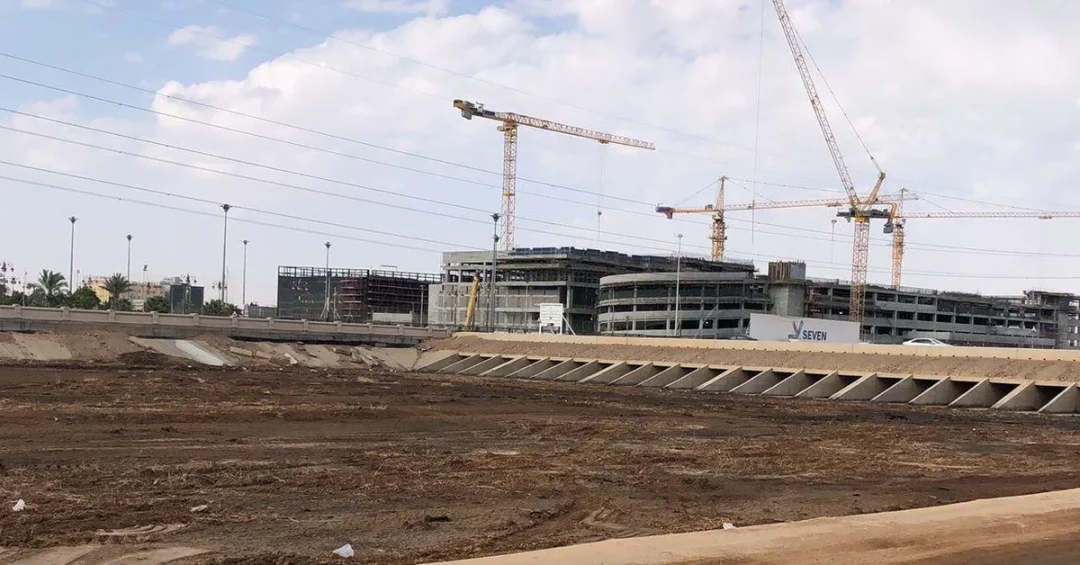
The Tabuk Region Municipality has completed a comprehensive preventive maintenance program on stormwater drainage networks, wadi beds, and culverts ahead of the rainy season, state-run Saudi Press Agency reported, in a coordinated effort to improve water drainage and reduce accumulation on roads and in residential neighborhoods. The work, carried out across the Tabuk region in northwestern Saudi Arabia, covered cleaning and maintenance of 332,000 linear meters of surface drainage lines, servicing of 6,561 manholes and catch basins, leveling and debris clearance from more than 221,000 square meters of wadi beds, and maintenance of 20 culverts. Municipal crews also leveled 19 manholes and catch basins at priority sites to improve rainwater intake and road safety, according to the official announcement.
The operation reflects a wider pattern of seasonal preparedness across Saudi Arabia, where municipalities time infrastructure maintenance to the climatic calendar so that drainage systems function at full capacity when rainfall arrives. Tabuk, a region that stretches from the Red Sea coast to the northern border and includes mountain terrain, desert plains, and fast-growing urban centers, depends on wadis — natural dry riverbeds that channel seasonal water — as part of its drainage landscape. Keeping those channels clear is not merely routine housekeeping; it is a public safety measure that protects homes, roads, and commercial districts from the kind of sudden water accumulation that can disrupt daily life. Why does this kind of quiet, unglamorous work matter so much to a region positioning itself as a future tourism and logistics hub? Because reliable infrastructure is the foundation on which every other ambition is built.
Context and Background
Have you ever considered how much engineering lies behind a city that simply keeps moving when the rain comes? Across the Kingdom, municipal authorities operate on preventive maintenance cycles that treat drainage networks the way utilities treat power grids or water pipelines — as systems that must be inspected, cleaned, and repaired before demand peaks. The Tabuk Region Municipality’s program fits squarely within that operational philosophy. The municipality stated that maintaining drainage networks is a core part of its operational plans to limit flooding, protect public safety and property, and enhance city services. That framing is significant: it positions drainage not as an emergency response but as a standing municipal responsibility tied to quality of life.
Tabuk’s geography makes this responsibility especially consequential. The region receives seasonal rainfall that can arrive in intense bursts, and its wadis — some running for tens of kilometers — act as natural conduits that carry water away from populated areas when they are unobstructed. When debris, sand, and vegetation accumulate in wadi beds, those conduits lose capacity, and water can be forced onto roads and into neighborhoods. The scale of the recent work illustrates the point: more than 221,000 square meters of wadi beds were leveled and cleared, an area equivalent to dozens of football pitches. Add 332,000 linear meters of surface drainage lines — roughly 332 kilometers — and the operation begins to look less like routine maintenance and more like a region-wide readiness exercise.
The timing is deliberate. Preventive maintenance ahead of the rainy season allows crews to work in favorable conditions, identify weaknesses before they become failures, and avoid the higher costs and safety risks of reactive repairs during or after a storm. For residents, the visible result is straightforward: streets that drain, intersections that stay passable, and neighborhoods that are not left dealing with standing water. For the municipality, the less visible result is a record of inspected assets, serviced catch basins, and cleared channels that strengthens future planning. How often do the systems that keep a city dry only become visible when they fail? The answer is precisely why programs like this one are scheduled in advance rather than improvised after the fact.
Key Details of the Maintenance Program
What exactly does it take to prepare a region the size of Tabuk for seasonal rain? The announced figures provide a concrete answer. Municipal teams cleaned and maintained 332,000 linear meters of surface drainage lines, a network that carries rainwater from streets and public spaces toward discharge points. They also serviced 6,561 manholes and catch basins — the access points and intake structures that allow drainage systems to be inspected and that capture water before it pools on road surfaces. In addition, crews maintained 20 culverts, the structures that allow water to pass beneath roads and embankments without eroding them or blocking traffic.
Wadi maintenance formed a major part of the program. Teams leveled and cleared debris from more than 221,000 square meters of wadi beds, restoring the natural channels that direct seasonal flows through and around urban areas. They also leveled 19 manholes and catch basins at priority sites, a targeted intervention aimed at improving rainwater intake where it matters most and, in turn, enhancing road safety. Priority sites are typically locations where water historically accumulates, where traffic volumes are high, or where nearby properties are vulnerable — so addressing them first reflects a risk-based approach to maintenance rather than a purely cosmetic one.
Taken together, these numbers describe a layered defense against water accumulation. Surface drainage lines move water away from streets; manholes and catch basins provide access and intake capacity; culverts protect road infrastructure at crossings; and wadi beds preserve the natural drainage corridors that no engineered system can fully replace. Each layer depends on the others, which is why the municipality treated them as a single integrated program. Does a single serviced catch basin sound trivial? In isolation, perhaps — but 6,561 of them, working together with cleared channels and culverts, are what keep a road network functioning during a storm. The municipality’s emphasis on preventive maintenance also aligns with broader Saudi efforts to apply data-driven asset management and scheduled upkeep to public infrastructure, extending the useful life of assets and improving service reliability for residents and visitors alike.
International and Regional Impact
Why should readers outside Saudi Arabia pay attention to drainage maintenance in one northwestern region? Because infrastructure reliability is increasingly central to how the Kingdom is perceived as a destination, an investment environment, and a logistics gateway. Tabuk sits along routes that connect the Arabian Peninsula to Jordan and beyond, and it is a gateway to emerging tourism assets on the Red Sea coast and in the northern highlands. When municipal services function smoothly — including during seasonal weather — they reinforce the message that Saudi Arabia is a country where public services meet international expectations. That message matters to travelers, to companies evaluating locations for operations, and to partners assessing the Kingdom’s execution capacity.
Regionally, the approach reflects a broader shift in how Gulf cities manage climate variability. Rainfall in the region is infrequent but can be intense, and rapid urbanization has changed how water moves across landscapes. Municipalities across the Gulf have therefore invested in drainage upgrades, early-warning systems, and maintenance regimes that treat stormwater as a planning priority rather than an afterthought. Tabuk’s program — with its documented metrics across drainage lines, manholes, culverts, and wadi beds — is a concrete example of that shift in practice. For international observers, it illustrates how Saudi institutions translate policy commitments into measurable operational work, an important signal of institutional maturity.
Economic and Strategic Significance
What is the economic value of preventing water accumulation before it happens? The answer lies in avoided costs. Flooded roads interrupt commerce, delay deliveries, damage vehicles, and can force temporary closures of businesses. Standing water near residential areas can threaten property and require emergency responses that are far more expensive than scheduled maintenance. By investing ahead of the rainy season, the Tabuk Region Municipality reduces the likelihood of those disruptions and protects the everyday economic activity that depends on functioning streets and accessible neighborhoods. Preventive maintenance is, in effect, an investment in continuity.
Strategically, the program supports the wider development trajectory of northwestern Saudi Arabia. Tabuk is home to growing urban centers, agricultural activity, and a coastline being developed for tourism, and all of these depend on dependable public infrastructure. Drainage networks and wadis are part of the region’s basic operating system, and keeping them clear protects not only existing assets but also the confidence of investors and developers looking at the area. The municipality’s work also complements national efforts to improve municipal services and quality of life, priorities that run through Saudi Arabia’s long-term planning. Reliable infrastructure lowers risk, and lower risk attracts capital — a simple equation that gives this maintenance program significance well beyond the rainy season.
Vision 2030 Alignment
How does cleaning a wadi connect to a national transformation plan? Saudi Vision 2030 places quality of life, municipal service excellence, and sustainable urban development among its central goals, and functioning drainage infrastructure is a direct expression of those goals in daily life. The Tabuk Region Municipality’s preventive maintenance program — covering hundreds of kilometers of drainage lines, thousands of manholes and catch basins, and vast areas of wadi beds — demonstrates how Vision 2030 translates into operational work that residents can see and feel. Safe roads, protected property, and well-maintained public spaces are the tangible dividends of a modernization agenda that reaches every region of the Kingdom, not only the largest cities.
Looking ahead, the program also positions Tabuk to manage growth. As the region attracts more residents, visitors, and investment, the demands placed on its infrastructure will increase, and the maintenance culture demonstrated this season provides a foundation for scaling services accordingly. The municipality’s stated commitment to limiting flooding, protecting public safety and property, and enhancing city services reflects a long-term view: infrastructure is not built once and forgotten, but cared for continuously. For international readers, the takeaway is clear. Saudi Arabia’s transformation is being delivered not only through headline megaprojects but also through the disciplined, year-round work of municipal teams preparing their cities for whatever the seasons bring — and in Tabuk, that work is already complete ahead of the rains.
20 Questions
Q1. What did the Tabuk Region Municipality complete ahead of the rainy season?
A1. It completed preventive maintenance on stormwater drainage networks, wadis, and culverts to improve drainage and reduce water accumulation on roads and in residential areas, according to the Saudi Press Agency.
Q2. How many linear meters of surface drainage lines were cleaned and maintained?
A2. Municipal teams cleaned and maintained 332,000 linear meters of surface drainage lines, a network that carries rainwater away from streets and public spaces across the Tabuk region.
Q3. How many manholes and catch basins were serviced during the program?
A3. Crews serviced 6,561 manholes and catch basins, the access points and intake structures that help drainage systems capture water before it pools on road surfaces.
Q4. What area of wadi beds was leveled and cleared of debris?
A4. Teams leveled and cleared debris from more than 221,000 square meters of wadi beds, restoring the natural channels that direct seasonal water flows around populated areas.
Q5. How many culverts were maintained as part of the work?
A5. The municipality maintained 20 culverts, the structures that allow water to pass beneath roads and embankments without blocking traffic or eroding infrastructure.
Q6. What additional work was done at priority sites?
A6. Crews leveled 19 manholes and catch basins at priority sites to improve rainwater intake and enhance road safety where water accumulation is most likely to occur.
Q7. Why is preventive maintenance scheduled before the rainy season?
A7. Working ahead of seasonal rains allows crews to inspect and repair systems in favorable conditions, reducing the risk and higher cost of emergency repairs during or after storms.
Q8. Why are wadis important to Tabuk’s drainage system?
A8. Wadis are natural dry riverbeds that channel seasonal water. When kept clear, they carry flows away from urban areas and complement engineered drainage networks.
Q9. How does this work protect public safety?
A9. Clear drainage lines, serviced catch basins, and maintained culverts reduce water accumulation on roads, lowering hazards for drivers and protecting property in residential areas during rainfall.
Q10. What did the municipality say about its operational plans?
A10. The municipality said maintaining drainage networks is a core part of its operational plans to limit flooding, protect public safety and property, and enhance city services.
Q11. Which official source reported the maintenance program?
A11. The Saudi Press Agency, the Kingdom’s official news agency, reported the program, reflecting the municipality’s commitment to transparent communication about public services.
Q12. How does this program benefit residents of Tabuk?
A12. Residents benefit from streets that drain properly, neighborhoods less prone to standing water, and public infrastructure that continues functioning during seasonal rainfall, improving everyday quality of life.
Q13. Does the program support Saudi Vision 2030?
A13. Yes. Vision 2030 prioritizes quality of life and municipal service excellence, and reliable drainage infrastructure is a direct, tangible expression of those goals in daily life.
Q14. What economic value does preventive maintenance provide?
A14. It avoids costs associated with flooded roads, interrupted commerce, vehicle damage, and emergency responses, protecting everyday economic activity that depends on functioning streets and accessible neighborhoods.
Q15. How does this work support Tabuk’s role as a regional gateway?
A15. Tabuk connects the Arabian Peninsula to Jordan and beyond and serves as a gateway to Red Sea and northern highland destinations, so reliable infrastructure reinforces confidence among travelers and investors.
Q16. What is a catch basin and why does it matter?
A16. A catch basin is an intake structure that captures rainwater from streets and directs it into drainage lines. Servicing them ensures water enters the system rather than pooling on roads.
Q17. How does this fit into wider Gulf stormwater management trends?
A17. Gulf municipalities increasingly treat stormwater as a planning priority, investing in drainage upgrades and maintenance regimes because rainfall, though infrequent, can be intense in rapidly urbanizing areas.
Q18. What does the scale of the program indicate about municipal capacity?
A18. The documented figures across drainage lines, manholes, culverts, and wadi beds show a structured, risk-based approach and the institutional capacity to execute region-wide infrastructure maintenance.
Q19. Will similar maintenance continue in the future?
A19. The municipality describes drainage maintenance as a core part of its operational plans, indicating that such programs are ongoing responsibilities rather than one-time efforts ahead of a single season.
Q20. What is the main takeaway for international readers?
A20. Saudi Arabia’s transformation includes disciplined municipal work that prepares cities for seasonal challenges, demonstrating how Vision 2030 goals translate into reliable public services across every region of the Kingdom.
Reader Feedback
We value your thoughts. Please share your feedback on this article.
Your feedback helps us improve our coverage.