


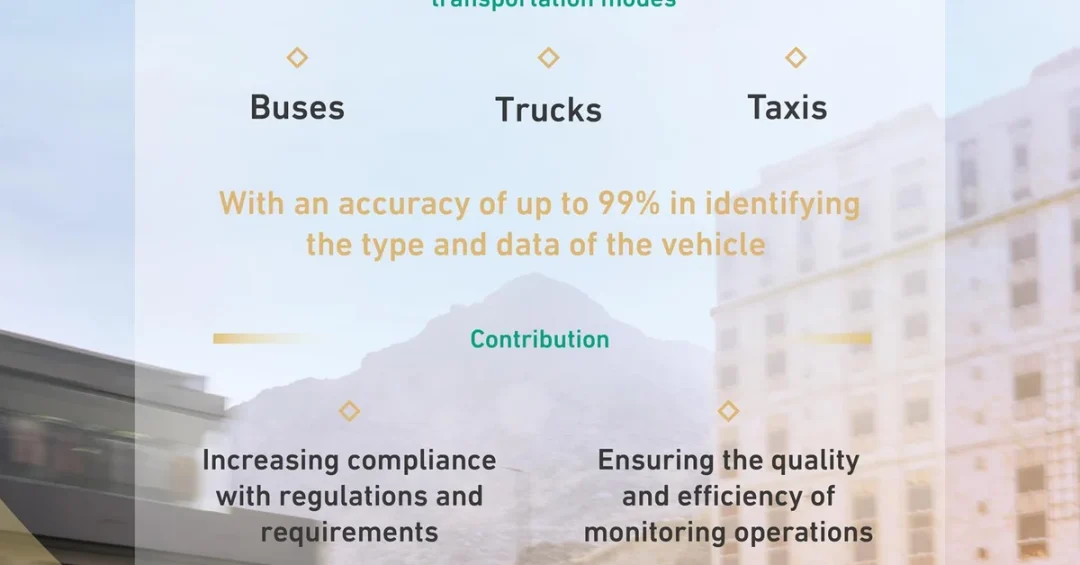
The Transport General Authority (TGA) has launched its first automated monitoring vehicle during the 1445 Hajj season, marking a significant technological advancement in pilgrim transportation oversight across Makkah, Madinah, and the holy sites. The vehicle, developed through integrated national efforts, employs mobile surveillance cameras to identify vehicle types and data with a precision rate of 99%, ensuring strict compliance with regulations, standards, and quality benchmarks. This initiative underscores Saudi Arabia’s commitment to leveraging innovation for the safety and comfort of millions of pilgrims.
Context and Background
The Hajj season represents one of the world’s largest annual gatherings, with millions of pilgrims converging on the Kingdom. Managing transportation for such a massive influx requires meticulous planning and robust oversight. The TGA has consistently introduced advanced solutions to enhance pilgrim experiences, aligning with Vision 2030’s goals of modernizing infrastructure and improving public services. The automated monitoring vehicle is a product of collaborative national efforts, reflecting the Kingdom’s proactive approach to integrating technology into critical operations.
In previous years, transportation monitoring relied heavily on manual inspections, which, while effective, were time-consuming and limited in scope. The introduction of automated monitoring signifies a shift towards smarter, data-driven governance, enabling real-time compliance checks and swift interventions. This trial during the 1445 Hajj season serves as a pilot for broader implementation, potentially setting a global standard for crowd management and logistics during large-scale events.
Key Details
The automated monitoring vehicle is equipped with mobile surveillance cameras capable of accurately identifying buses, taxis, trucks, and other vehicles used by pilgrims. With a precision rate of 99%, it can capture and analyze vehicle data, ensuring that all transport services adhere to safety and reliability standards. This technology is expected to increase compliance rates with regulatory operations, reducing the risk of violations and enhancing overall service quality.
The TGA emphasized that the vehicle operates across Makkah, Madinah, and other holy sites, providing comprehensive coverage. By automating the monitoring process, authorities can deploy resources more efficiently, focusing on areas that require immediate attention. The trial’s success will inform future deployments, potentially expanding the system to other regions and events, such as Umrah seasons.
Implications and Impact
The deployment of the automated monitoring vehicle has significant implications for pilgrim safety and satisfaction. By ensuring that transport providers comply with regulations, the TGA aims to prevent overcrowding, reduce accidents, and streamline movement between holy sites. This, in turn, enhances the spiritual experience for pilgrims, who can focus on their rituals without worrying about logistical challenges.
On a broader scale, this initiative positions Saudi Arabia as a leader in smart city technologies and event management. It demonstrates the Kingdom’s ability to harness innovation for public good, reinforcing its reputation as a capable and forward-thinking nation. International observers may view this as a model for managing large gatherings, from religious pilgrimages to global expos, highlighting Saudi Arabia’s growing influence in technological solutions.
Vision 2030 Alignment
This initiative aligns seamlessly with Vision 2030, particularly its objectives to enhance government efficiency, improve quality of life, and foster innovation. By investing in automated systems, the TGA contributes to a more resilient and responsive infrastructure, supporting the Kingdom’s ambition to welcome increasing numbers of pilgrims in the coming years. The successful trial of the automated monitoring vehicle not only elevates Hajj operations but also showcases Saudi Arabia’s commitment to leveraging technology for the benefit of humanity, reinforcing its role as a global leader in service excellence.
20 Questions
Q1. What is the automated monitoring vehicle launched by the Transport General Authority?
A1. The automated monitoring vehicle is a technologically advanced system introduced by the Transport General Authority for the 1445 Hajj season, using mobile surveillance cameras to oversee pilgrim transportation in Makkah, Madinah, and holy sites, ensuring compliance with regulations.
Q2. When was this vehicle first used?
A2. It was first used during the 1445 Hajj season, which corresponds to the year 2024, as part of a trial to enhance transportation monitoring and safety for pilgrims.
Q3. What is the precision rate of the vehicle’s surveillance cameras?
A3. The vehicle’s mobile surveillance cameras have a precision rate of 99%, enabling accurate identification of vehicle types and data, such as buses, taxis, and trucks, to ensure regulatory compliance.
Q4. Which areas does the vehicle monitor?
A4. The vehicle monitors all transportation means used by pilgrims in Makkah, Madinah, and other holy sites, providing comprehensive coverage to ensure safety and quality.
Q5. How does the vehicle contribute to pilgrim safety?
A5. By identifying vehicles and ensuring they meet regulations and standards, the vehicle helps prevent violations, reduces risks, and enhances the reliability of transport services, thereby improving pilgrim safety.
Q6. What types of vehicles can the system identify?
A6. The system can identify buses, taxis, trucks, and other vehicles used during Hajj, capturing their data to verify compliance with transport regulations and standards.
Q7. What is the expected outcome of using this vehicle?
A7. It is expected to increase compliance rates with services and regulatory operations, leading to safer, more reliable transport for pilgrims and more efficient oversight by authorities.
Q8. Who developed the automated monitoring vehicle?
A8. It was developed through integrated national efforts, involving collaboration between Saudi authorities and technical experts to support Hajj operations.
Q9. How does this initiative align with Vision 2030?
A9. It aligns with Vision 2030 by promoting innovation, enhancing government efficiency, and improving services for pilgrims, reflecting the Kingdom’s commitment to modernization and smart solutions.
Q10. What was the previous method of monitoring transportation during Hajj?
A10. Previously, monitoring relied on manual inspections by authorities, which were effective but limited in scale and speed compared to automated systems.
Q11. Will the vehicle be used in future Hajj seasons?
A11. The trial will inform future deployments, and if successful, the system may be expanded to other seasons and events, including Umrah, to enhance transportation oversight.
Q12. How does this technology benefit pilgrims directly?
A12. Pilgrims benefit from safer, more reliable transportation, reduced delays, and improved overall experience, allowing them to focus on their spiritual journey.
Q13. What role does the Transport General Authority play in Hajj?
A13. The TGA oversees transportation regulations and services during Hajj, ensuring compliance, safety, and quality for all pilgrims moving between holy sites.
Q14. Is this vehicle part of a larger technological push in Saudi Arabia?
A14. Yes, it represents part of Saudi Arabia’s broader efforts to integrate advanced technologies into public services, aligning with Vision 2030’s digital transformation goals.
Q15. How does the vehicle handle data privacy?
A15. The system focuses on vehicle identification and compliance, and data is used solely for regulatory purposes, adhering to national privacy standards and regulations.
Q16. What impact does this have on international perceptions of Saudi Arabia?
A16. It showcases Saudi Arabia’s leadership in smart solutions and event management, enhancing its global reputation as a modern, innovative nation capable of handling large gatherings.
Q17. Can the vehicle operate in crowded areas?
A17. Yes, the vehicle is designed to navigate crowded environments and monitor transportation effectively, ensuring compliance even during peak pilgrim movements.
Q18. What training is required for operating the vehicle?
A18. Operators receive specialized training on the surveillance technology and data analysis to ensure accurate monitoring and effective reporting during Hajj.
Q19. How does this initiative support Saudi Arabia’s economy?
A19. By improving transportation efficiency and safety, it supports a smooth Hajj season, which is vital for the economy through pilgrimage-related activities and services.
Q20. What are the long-term goals of this initiative?
A20. The long-term goals include expanding automated monitoring, setting global benchmarks for crowd management, and continuously enhancing pilgrim services under Vision 2030.
Reader Feedback
We value your thoughts. Please share your feedback on this article.
Your feedback helps us improve our coverage.