


The Transport General Authority (TGA) has mandated that all road transport sector operators comply with regulations to ensure the safety and well-being of pilgrims during the Hajj season of 1445 AH (2024). The authority emphasized that adherence to these rules is crucial for delivering the best services to pilgrims and for maintaining the integrity of cargo operations across the Kingdom.
Context and Background
Hajj is one of the largest annual gatherings in the world, drawing millions of pilgrims to Saudi Arabia. Ensuring their safety and comfort is a top priority for the Kingdom. The TGA, as the regulatory body for transport, plays a pivotal role in coordinating logistics and road safety during this period. The authority’s latest directive underscores its commitment to upholding high standards in the transport sector, particularly during peak seasons like Hajj.
Key Details
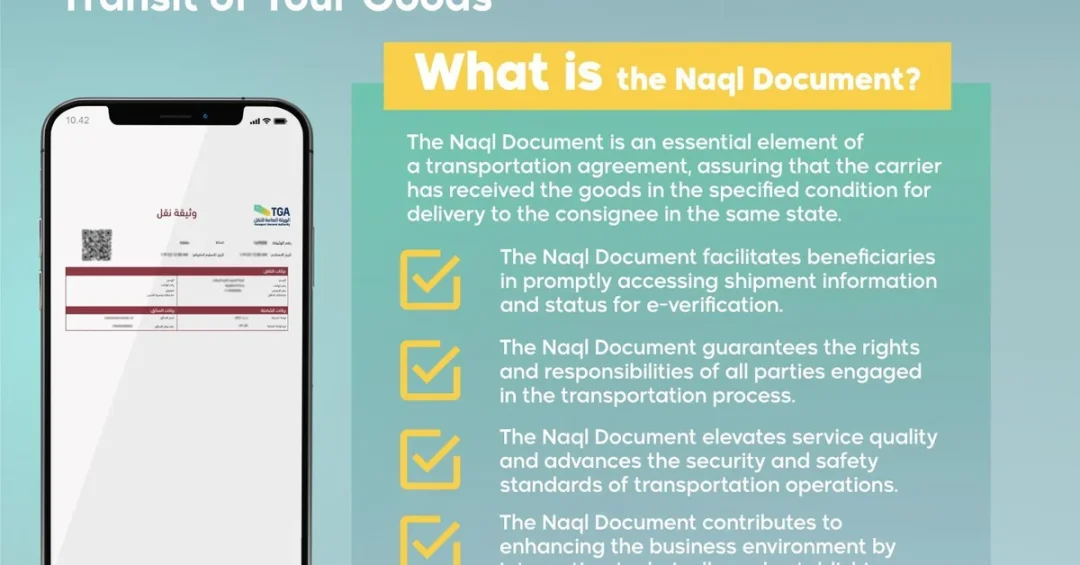
The TGA highlighted that cards issued to truck operators serve as proof that all technical requirements are met, and that vehicle data on public roads will be recorded. Safe cargo loading is essential to protect both road users and the commodities being transported. The authority also pointed out that companies and individuals can access the cargo-securing guide on its website, which outlines best practices. Furthermore, cargo transport documents are mandatory, as they serve as proof of goods and define the conditions of carriage. These documents also contribute to increased investment in the sector by clarifying the rights and responsibilities of all parties involved. Last year, over 10 million such documents were issued across the Kingdom.
Implications and Impact
The enforcement of these regulations has led to significant growth in the logistics services sector. As a result, the Kingdom moved up 17 places in the World Bank’s Logistics Performance Index in 2023, reflecting improved operational efficiency and sector initiatives. The TGA’s adoption of advanced technologies has further enhanced efficiency and service quality. For instance, the authority introduced the first hydrogen-powered and electric trucks in the Kingdom last year, and launched a regulatory sandbox—an innovation program that provides a flexible space for companies to pilot new transportation models in an organized manner.
Vision 2030 Alignment
These efforts align seamlessly with Saudi Arabia’s Vision 2030, which aims to transform the Kingdom into a global logistics hub and enhance the experience of pilgrims and visitors. By ensuring compliance and fostering innovation, the TGA is contributing to the realization of Vision 2030’s goals of economic diversification, improved quality of life, and world-class services. The continued focus on safety and efficiency will not only benefit pilgrims but also strengthen the Kingdom’s position as a leader in the logistics and transport sector.
20 Questions
Q1. What is the Transport General Authority (TGA)?
A1. The TGA is the Saudi government body responsible for regulating and overseeing the transport sector, including road, rail, and maritime transport. It ensures compliance with safety and operational standards to facilitate efficient and secure movement of people and goods across the Kingdom.
Q2. Why is TGA emphasizing compliance for the Hajj season?
A2. During Hajj, millions of pilgrims travel to Saudi Arabia, making safety and efficiency paramount. TGA’s emphasis on compliance ensures that transport operators adhere to regulations, thereby safeguarding pilgrims and maintaining smooth logistics operations throughout the season.
Q3. What are the key regulations for road transport operators during Hajj?
A3. Operators must comply with technical requirements, ensure safe cargo loading, and possess valid transport documents. These regulations are designed to protect road users, prevent accidents, and ensure that goods are transported securely and legally.
Q4. How does TGA ensure that truck operators meet technical requirements?
A4. TGA issues cards to truck operators that indicate compliance with all technical requirements. These cards serve as proof that vehicles are roadworthy and meet the necessary safety standards, and they also allow for the recording of vehicle data on public roads.
Q5. What is the cargo-securing guide?
A5. The cargo-securing guide is a resource provided by TGA on its website that outlines best practices for safely loading and securing cargo. It helps companies and individuals understand how to prevent shifting, falling, or damage during transport, thereby enhancing safety for all road users.
Q6. Why are cargo transport documents mandatory?
A6. Cargo transport documents serve as proof of the goods being carried and define the conditions of their transport. They clarify the rights and responsibilities of all parties involved, which helps prevent disputes and encourages investment in the logistics sector.
Q7. How many cargo transport documents were issued last year?
A7. Over 10 million cargo transport documents were issued across the Kingdom last year, indicating the scale of logistics operations and the importance of proper documentation in the sector.
Q8. What impact have these regulations had on the logistics sector?
A8. The regulations have contributed to significant growth in the logistics sector, improving efficiency and reliability. This has led to Saudi Arabia moving up 17 places in the World Bank’s Logistics Performance Index in 2023, reflecting enhanced operational standards.
Q9. What is the World Bank’s Logistics Performance Index?
A9. The Logistics Performance Index is a comprehensive benchmarking tool that assesses countries’ logistics performance based on factors like infrastructure, customs, and timeliness. Saudi Arabia’s improvement in this index highlights its progress in developing a world-class logistics environment.
Q10. How has TGA used technology to improve the sector?
A10. TGA has introduced advanced technologies such as hydrogen-powered and electric trucks, and launched a regulatory sandbox for innovation. These initiatives enhance efficiency, reduce environmental impact, and allow companies to test new transportation models in a controlled environment.
Q11. What is the regulatory sandbox?
A11. The regulatory sandbox is an innovation program by TGA that provides a flexible space for companies to pilot new transportation models in an organized way. It allows for experimentation with emerging technologies while ensuring compliance with safety and regulatory standards.
Q12. How does safe cargo loading contribute to pilgrim safety?
A12. Safe cargo loading prevents accidents caused by shifting or falling loads, which is especially critical during Hajj when roads are congested. By ensuring that cargo is properly secured, TGA helps protect both pilgrims and other road users from potential hazards.
Q13. What are the benefits of having transport documents for investment?
A13. Transport documents set clear rights and responsibilities for all parties, reducing legal uncertainties and disputes. This clarity encourages investment in the logistics sector by providing a stable and predictable environment for businesses.
Q14. How does TGA’s directive align with Vision 2030?
A14. Vision 2030 aims to transform Saudi Arabia into a global logistics hub and enhance the experience of pilgrims. TGA’s focus on compliance, safety, and innovation directly supports these goals by improving infrastructure, efficiency, and service quality.
Q15. What is the significance of the 17-place improvement in the Logistics Performance Index?
A15. The improvement demonstrates Saudi Arabia’s commitment to enhancing its logistics capabilities. It reflects successful reforms and investments in infrastructure, technology, and regulatory frameworks, positioning the Kingdom as a competitive player in global trade.
Q16. How does TGA ensure that companies comply with regulations?
A16. TGA uses a combination of inspections, documentation requirements, and technological monitoring to ensure compliance. Cards issued to operators and the recording of vehicle data on public roads help enforce adherence to safety and operational standards.
Q17. What are the consequences of non-compliance for transport operators?
A17. Non-compliance can lead to penalties, suspension of operations, or legal action. TGA’s strict enforcement ensures that only compliant operators are allowed to operate, thereby maintaining high safety standards across the sector.
Q18. How does the cargo-securing guide help companies?
A18. The guide provides practical instructions on how to secure different types of cargo, reducing the risk of damage and accidents. By following these best practices, companies can improve their safety record and avoid costly incidents.
Q19. What role does TGA play in the Hajj season specifically?
A19. TGA coordinates with other authorities to ensure that transport services for pilgrims are safe, efficient, and well-organized. It oversees the movement of goods and vehicles, implements special measures, and ensures that all operators meet the required standards.
Q20. What future developments can be expected in Saudi Arabia’s logistics sector?
A20. With ongoing investments in technology and infrastructure, the sector is expected to continue growing. TGA’s initiatives, such as the regulatory sandbox and adoption of green vehicles, will likely lead to more innovative and sustainable logistics solutions, further enhancing the Kingdom’s global standing.
Reader Feedback
We value your thoughts. Please share your feedback on this article.
Your feedback helps us improve our coverage.
Related articles
 National Water Company Ready for Hajj Season 1445 H in Madinah
 Tawafa Establishment Welcomes Pilgrims in Makkah for Hajj 2024
 Religious Affairs Presidency Launches WhatsApp Channel for Pilgrims
 KSrelief Chief Meets WHO Director at World Health Assembly
 King Abdulaziz Reserve Chief Meets with IUCN Director in Switzerland
 Saudi Arabia Wins Best Pavilion Award at World Water Forum in Indonesia