


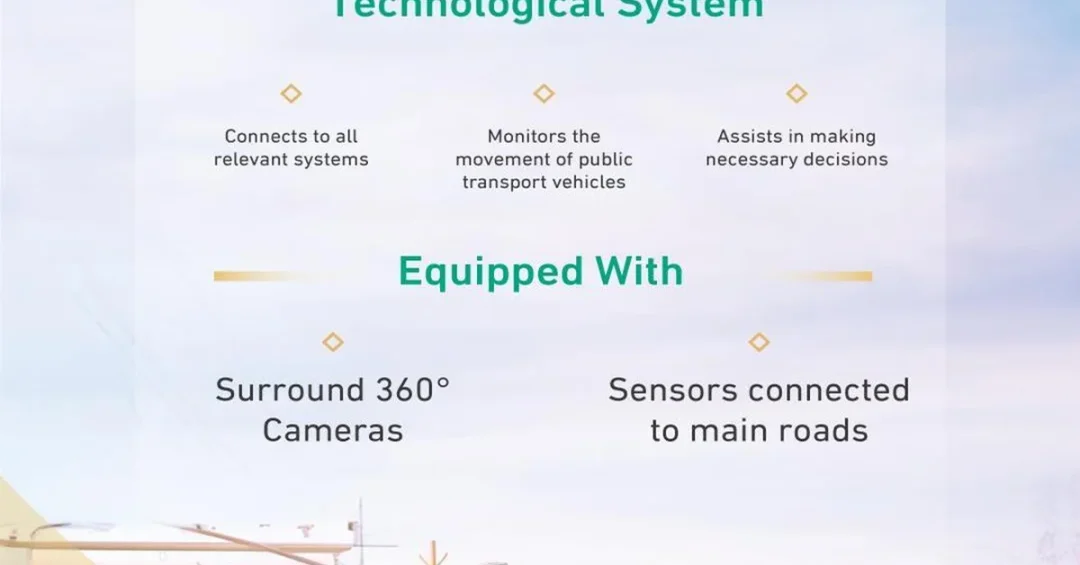
The Transport General Authority (TGA) has launched a mobile control and monitoring center for the first time during the Hajj season of 1445 AH, enhancing real-time oversight of public transport in Makkah and the holy sites. The center, equipped with sensors distributed across major roads, enables immediate monitoring of vehicle movement, traffic density, and route conditions to ensure the safety and comfort of pilgrims. This initiative reflects the Kingdom’s commitment to leveraging advanced technology for the seamless management of large-scale religious events.
Context and Background
Each year, millions of pilgrims from around the world gather in Makkah and the surrounding holy sites to perform Hajj, one of the largest annual mass gatherings globally. Managing the flow of pilgrims and public transport efficiently is a monumental logistical challenge. The Transport General Authority, responsible for regulating and overseeing transport activities in Saudi Arabia, has continuously introduced innovative solutions to improve services during Hajj. The introduction of a mobile control center this season marks a significant step forward in real-time monitoring and response capabilities.
Developed by specialized Saudi hands using the latest technologies, the center represents an integrated technical system linked to other relevant systems. It supports decision-making processes necessary to ensure pilgrim safety and comfort. This initiative aligns with the Kingdom’s broader efforts to enhance the Hajj experience through digital transformation and smart mobility solutions.
Key Details
The mobile control and monitoring center is equipped with sensors distributed across major roads in Makkah and the holy sites. These sensors measure traffic density along designated routes for pilgrim transportation, allowing authorities to monitor vehicle flow in real time. The center also features 360-degree perimeter cameras that enable immediate vehicle inspections, ensuring compliance with safety standards.
One of the key advantages of the center is its ability to deploy workforce and field inspectors efficiently based on real-time data. This dynamic allocation of resources helps address congestion or incidents promptly, minimizing disruptions to pilgrim movement. The center’s integrated system supports swift decision-making, enhancing overall operational efficiency during the Hajj season.
Implications and Impact
The debut of this mobile control center underscores Saudi Arabia’s leadership in utilizing advanced technology for public safety and crowd management. By enabling real-time monitoring and rapid response, the center contributes to a smoother and more secure Hajj experience for pilgrims. It also demonstrates the Kingdom’s capability to manage complex logistics on a massive scale, reinforcing its reputation as a global leader in hosting large religious events.
Furthermore, the success of this initiative could pave the way for similar technologies to be employed in other major events and urban transport systems across the Kingdom. The center’s integrated approach serves as a model for smart city solutions, potentially benefiting sectors beyond Hajj operations.
Vision 2030 Alignment
This initiative is closely aligned with Saudi Vision 2030, which emphasizes the modernization of public services and the enhancement of quality of life for citizens and visitors. By investing in cutting-edge technologies and fostering local expertise, the Kingdom is advancing its goals of economic diversification and digital transformation. The mobile control center exemplifies how Vision 2030 is being translated into tangible improvements in service delivery, particularly in critical areas such as Hajj management. As Saudi Arabia continues to welcome millions of pilgrims annually, such innovations will play a vital role in ensuring that the Hajj experience remains safe, efficient, and spiritually fulfilling.
20 Questions
Q1. What is the purpose of the mobile control and monitoring center?
A1. The center enables real-time monitoring of public transport vehicles in Makkah and the holy sites, measuring traffic density and ensuring efficient deployment of inspectors to enhance pilgrim safety and comfort during Hajj.
Q2. Who inaugurated the mobile control center?
A2. The Transport General Authority (TGA) inaugurated the center for the first time during the Hajj season of 1445 AH. The TGA is responsible for regulating transport activities in Saudi Arabia.
Q3. When was the center introduced?
A3. The center was introduced during the Hajj season of 1445 AH, which corresponds to the year 2024. It was inaugurated in Makkah in June 2024.
Q4. What technologies are used in the mobile control center?
A4. The center is equipped with sensors distributed across major roads and 360-degree perimeter cameras for immediate vehicle inspections. It is an integrated technical system developed by specialized Saudi hands using the latest technologies.
Q5. How does the center help in managing pilgrim transport?
A5. The center monitors traffic density along designated routes, allowing authorities to deploy workforce and field inspectors efficiently. It also conducts immediate vehicle inspections to ensure compliance with safety standards.
Q6. What is the significance of the 360-degree cameras?
A6. The 360-degree perimeter cameras enable immediate vehicle inspections from the center, enhancing the ability to monitor and enforce safety regulations without disrupting the flow of traffic.
Q7. How does the center support decision-making?
A7. The center provides real-time data and insights, linked to other relevant systems, which supports informed and timely decisions necessary to ensure the safety and comfort of pilgrims.
Q8. Where is the center deployed?
A8. The center is deployed in Makkah and the holy sites, focusing on major roads and designated routes for pilgrim transportation during the Hajj season.
Q9. What are the holy sites in the context of Hajj?
A9. The holy sites include Mina, Arafat, and Muzdalifah, where pilgrims perform specific rituals during Hajj. These areas are located near Makkah in Saudi Arabia.
Q10. How does the center contribute to pilgrim safety?
A10. By monitoring traffic and enabling immediate inspections, the center helps prevent accidents, reduces congestion, and ensures that transport vehicles meet safety standards, thereby enhancing overall pilgrim safety.
Q11. Is the center a permanent or temporary facility?
A11. The center is mobile, meaning it can be deployed as needed. It was introduced for the Hajj season and may be used in future seasons or other events requiring similar monitoring.
Q12. What role does the TGA play in Hajj operations?
A12. The Transport General Authority regulates and oversees transport activities, ensuring that public transport during Hajj operates smoothly and safely. It coordinates with other agencies to manage pilgrim movement.
Q13. How does the center improve efficiency?
A13. The center allows for real-time monitoring and dynamic allocation of resources, enabling rapid response to incidents and efficient use of manpower, which reduces delays and improves overall transport efficiency.
Q14. What is the link between the center and Vision 2030?
A14. The center aligns with Vision 2030 by leveraging advanced technology to enhance public services and quality of life. It showcases digital transformation and local expertise, key pillars of the Vision.
Q15. Can the center be used outside of Hajj season?
A15. While introduced for Hajj, the mobile nature of the center means it could potentially be deployed for other events or purposes requiring similar monitoring capabilities in the future.
Q16. Who developed the center?
A16. The center was developed by specialized Saudi hands, highlighting local talent and technological capability in line with Saudi Arabia’s push for indigenous innovation.
Q17. What types of vehicles are monitored?
A17. The center monitors public transport vehicles, such as buses and other authorized carriers, that are used to transport pilgrims within Makkah and the holy sites.
Q18. How does the center measure traffic density?
A18. Sensors distributed across major roads collect data on vehicle flow, which is analyzed to measure traffic density along the designated routes for pilgrim transportation.
Q19. What are the benefits for pilgrims?
A19. Pilgrims benefit from improved safety, reduced waiting times, and smoother transport services, contributing to a more comfortable and spiritually focused Hajj experience.
Q20. Does the center integrate with other systems?
A20. Yes, the center is an integrated technical system linked to all other relevant systems, enabling comprehensive monitoring and coordination for effective decision-making during Hajj operations.
Reader Feedback
We value your thoughts. Please share your feedback on this article.
Your feedback helps us improve our coverage.