


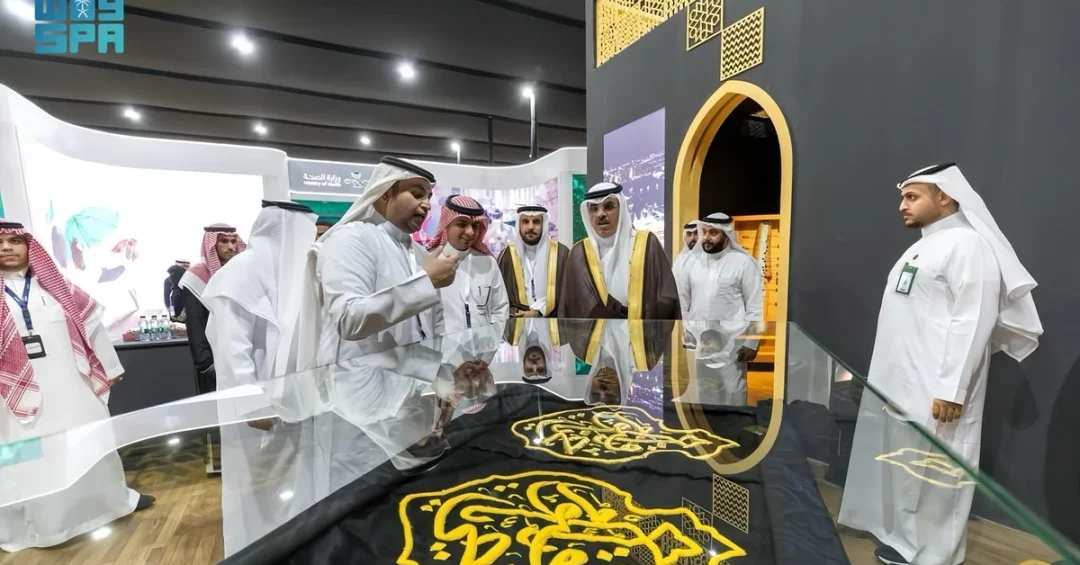
The General Authority for the Care of the Affairs of the Grand Mosque and the Prophet’s Mosque is showcasing its latest initiatives to enhance the pilgrim experience at the Hajj Conference and Exhibition 2025, which opened on January 13 at the Jeddah Superdome and runs until January 16. The event, held under the theme “A Passage to Nusuk,” brings together stakeholders from across the Hajj and Umrah ecosystem to present services, technologies, and innovations that support the millions of worshippers who travel to the Kingdom each year. The authority’s interactive pavilion offers visitors a unique experience designed to engage the five senses, reflecting the Kingdom’s commitment to continuous improvement in the care of the Two Holy Mosques and their visitors.
Why does this gathering matter to audiences far beyond Saudi Arabia? Because the Hajj and Umrah journey is one of the world’s largest annual movements of people, and the services unveiled in Jeddah signal how the Kingdom is preparing for the future of pilgrimage. The authority’s participation underscores a broader national effort, guided by the leadership of the Custodian of the Two Holy Mosques, King Salman bin Abdulaziz Al Saud, and His Royal Highness Crown Prince Mohammed bin Salman bin Abdulaziz Al Saud, to ensure that every pilgrim’s experience is safe, comfortable, and spiritually fulfilling. The pavilion’s five interactive booths and 3D displays illustrate the depth of planning behind these efforts.
Context and Background
What exactly is the Hajj Conference and Exhibition, and why has it become a focal point for the global pilgrimage community? Organized under the patronage of the Saudi leadership, the event serves as a platform for government ministries, private companies, and international partners to exchange ideas and showcase solutions that enhance the Hajj and Umrah experience. The 2025 edition, themed “A Passage to Nusuk,” began on January 13 at the Jeddah Superdome and continues through January 16. It draws participation from a wide range of entities involved in serving pilgrims, from transportation and hospitality providers to technology firms and religious affairs authorities.
The General Authority for the Care of the Affairs of the Grand Mosque and the Prophet’s Mosque plays a central role in this ecosystem. Established to oversee the maintenance, operation, and enhancement of the Two Holy Mosques, the authority is responsible for everything from crowd management and cleanliness to the preservation of the mosques’ historical and architectural heritage. Its presence at the conference reflects a mandate that extends beyond routine upkeep: the authority is tasked with innovating new ways to serve the guests of God, a responsibility that carries profound religious and national significance.
How has the Kingdom’s approach to pilgrimage evolved in recent years? Saudi Arabia has invested heavily in expanding capacity, improving infrastructure, and digitizing services. The Nusuk platform, for example, provides pilgrims with a unified digital gateway for visas, permits, and services. The authority’s participation in the exhibition builds on this momentum, presenting tangible examples of how tradition and technology can coexist to serve millions of worshippers. The interactive pavilion is a testament to that philosophy, offering visitors a sensory journey through the elements that define the Two Holy Mosques.
Key Details
What can visitors expect when they step into the authority’s pavilion? The display is organized around five interactive booths, each highlighting a distinct aspect of the authority’s work. One booth focuses on the advanced sound systems used in the Two Holy Mosques, which ensure that prayers, sermons, and calls to prayer are transmitted clearly to worshippers across vast courtyards and prayer halls. Another booth presents the perfuming and cleansing materials used for the Holy Kaaba, offering insight into the meticulous care that goes into maintaining the sanctity and purity of the site.
A third booth is dedicated to the fabrics used to craft the Kaaba’s Kiswah, the ornate black cloth that covers the Holy Kaaba and is adorned with gold-embroidered calligraphy. Visitors can learn about the materials, the weaving process, and the craftsmanship involved in producing this sacred covering. The pavilion also includes 3D displays that explore the historical and architectural landmarks of the Two Holy Mosques, providing a rich, immersive visual experience. These displays allow visitors to appreciate the mosques’ expansion over centuries and the architectural marvels that define them today.
How does engaging the five senses deepen understanding of the authority’s mission? By incorporating sound, sight, and even scent, the pavilion creates an emotional connection that goes beyond reading or listening. It allows visitors to experience, albeit briefly, the atmosphere of the Two Holy Mosques and the care that surrounds them. This multisensory approach is designed to convey the authority’s dedication to excellence and its respect for the spiritual journey of every pilgrim. The interactive nature of the exhibits also encourages dialogue and learning, making the pavilion a dynamic space within the broader exhibition.
International and Regional Impact
Why should international observers pay attention to a conference held in Jeddah? Because the Hajj and Umrah sector is global in scope, drawing pilgrims from virtually every country. The services and technologies showcased at the exhibition have implications for travelers worldwide, from improved accessibility and safety to enhanced digital tools that simplify planning. The authority’s initiatives contribute to Saudi Arabia’s reputation as a welcoming and capable host, a message that resonates with governments and communities across the Islamic world and beyond.
Moreover, the event reinforces regional cooperation. Delegations from various countries attend to learn about best practices and explore partnerships. The Kingdom’s efforts to facilitate pilgrimage are part of a broader vision of stability, prosperity, and cultural exchange in the region. By sharing its expertise and inviting collaboration, Saudi Arabia positions itself as a leader in service innovation and a reliable partner in managing one of the world’s most significant religious gatherings. The exhibition thus serves as a diplomatic and cultural bridge, strengthening ties through shared purpose.
Economic and Strategic Significance
What economic value does the pilgrimage sector bring to Saudi Arabia and the wider region? Hajj and Umrah generate substantial revenue across transportation, hospitality, retail, and logistics. The Kingdom’s investments in infrastructure and services are designed to accommodate growing numbers of pilgrims while ensuring a high-quality experience. The exhibition provides a venue for businesses to forge partnerships, launch products, and showcase solutions that can be scaled to meet future demand. This ecosystem supports job creation and entrepreneurial activity, aligning with national economic diversification goals.
Strategically, the care of the Two Holy Mosques is a cornerstone of Saudi Arabia’s identity and soft power. The authority’s work enhances the Kingdom’s standing as the custodian of Islam’s holiest sites. By continuously improving services, Saudi Arabia demonstrates its commitment to the well-being of pilgrims and its ability to manage large-scale events with precision. The Hajj Conference and Exhibition amplifies this message, presenting a unified front of public and private sector actors dedicated to excellence. The event also underscores the importance of sustainability and efficiency in handling massive crowds, areas where Saudi expertise is increasingly sought after.
Vision 2030 Alignment
How does the authority’s participation connect to Saudi Vision 2030? The Vision aims to diversify the economy, enhance quality of life, and strengthen the Kingdom’s global role. Pilgrimage services are a key pillar of this strategy, with targets to increase Umrah capacity and improve the pilgrim journey. The authority’s innovative pavilion exemplifies the Vision’s emphasis on innovation, customer service, and cultural preservation. By leveraging technology and design, the authority contributes to making the pilgrimage experience more accessible and memorable, which in turn supports tourism and economic growth.
As the exhibition continues through January 16, the General Authority for the Care of the Affairs of the Grand Mosque and the Prophet’s Mosque is not merely displaying its work; it is signaling a future where tradition and modernity converge to serve the guests of God. Under the guidance of the Saudi leadership, the Kingdom remains committed to upholding the sanctity of the Two Holy Mosques while embracing progress. The initiatives unveiled in Jeddah are a step forward in that enduring mission, promising a brighter and more fulfilling journey for pilgrims from every corner of the world.
20 Questions
Q1. What is the Hajj Conference and Exhibition 2025?
A1. It is an event held in Jeddah from January 13 to 16, 2025, under the theme “A Passage to Nusuk,” showcasing services and innovations for pilgrims.
Q2. Where is the event taking place?
A2. The event is held at the Jeddah Superdome in Jeddah, Saudi Arabia.
Q3. Which authority is highlighting its services at the event?
A3. The General Authority for the Care of the Affairs of the Grand Mosque and the Prophet’s Mosque is showcasing its initiatives.
Q4. What is the theme of the 2025 conference?
A4. The theme is “A Passage to Nusuk,” reflecting the focus on enhancing the pilgrim journey.
Q5. How many interactive booths are in the authority’s pavilion?
A5. The pavilion features five interactive booths, each highlighting a different aspect of the authority’s work.
Q6. What do the interactive booths showcase?
A6. They showcase advanced sound systems, perfuming and cleansing materials for the Kaaba, and fabrics used for the Kiswah.
Q7. What is the Kiswah?
A7. The Kiswah is the ornate black cloth that covers the Holy Kaaba, adorned with gold-embroidered calligraphy.
Q8. What kind of displays explore the mosques’ landmarks?
A8. The pavilion includes 3D displays that explore the historical and architectural landmarks of the Two Holy Mosques.
Q9. What is the purpose of the five-senses experience?
A9. It engages visitors’ senses to create an immersive and emotional connection with the care given to the Two Holy Mosques.
Q10. Who is the exhibition organized under?
A10. It is organized under the patronage of the Saudi leadership, reflecting national commitment to pilgrimage services.
Q11. What is the role of the General Authority?
A11. It oversees maintenance, operation, and enhancement of the Two Holy Mosques, ensuring a safe and spiritual experience for pilgrims.
Q12. How does the exhibition benefit international visitors?
A12. It showcases technologies and services that improve accessibility, safety, and planning for pilgrims from around the world.
Q13. What is Nusuk?
A13. Nusuk is a digital platform that provides pilgrims with a unified gateway for visas, permits, and services.
Q14. How does the event support Vision 2030?
A14. It aligns with Vision 2030 by promoting innovation, enhancing pilgrim experiences, and supporting economic diversification.
Q15. What economic sectors benefit from pilgrimage?
A15. Transportation, hospitality, retail, and logistics are among the key sectors that benefit from Hajj and Umrah.
Q16. What are the dates of the exhibition?
A16. The exhibition began on January 13 and will continue until January 16, 2025.
Q17. Who attends the Hajj Conference and Exhibition?
A17. Government ministries, private companies, and international partners involved in serving pilgrims attend the event.
Q18. What is the significance of the sound systems booth?
A18. It highlights the advanced audio technology that ensures prayers and sermons are clearly heard across the mosques.
Q19. How does the authority preserve heritage?
A19. Through 3D displays and exhibits, it educates visitors about the historical and architectural landmarks of the Two Holy Mosques.
Q20. What is the ultimate goal of these initiatives?
A20. The goal is to enhance the pilgrim experience, uphold the sanctity of the holy sites, and support the Kingdom’s vision for the future.
Reader Feedback
We value your thoughts. Please share your feedback on this article.
Your feedback helps us improve our coverage.
Related articles
 Saudi Academy Launches Multilingual Hajj, Umrah Dictionary
 Saudi Energy Minister Meets Japan’s METI Minister
 NIDLP Showcases 19 Startups at Future Minerals Forum 2025
 Ministry of Interior Prioritizes Pilgrim Security, Public Security Director Says
 NCW Releases 134 Endangered Species at NEOM Reserve
 SWA Showcases Innovative Water Solutions at Hajj Conference