


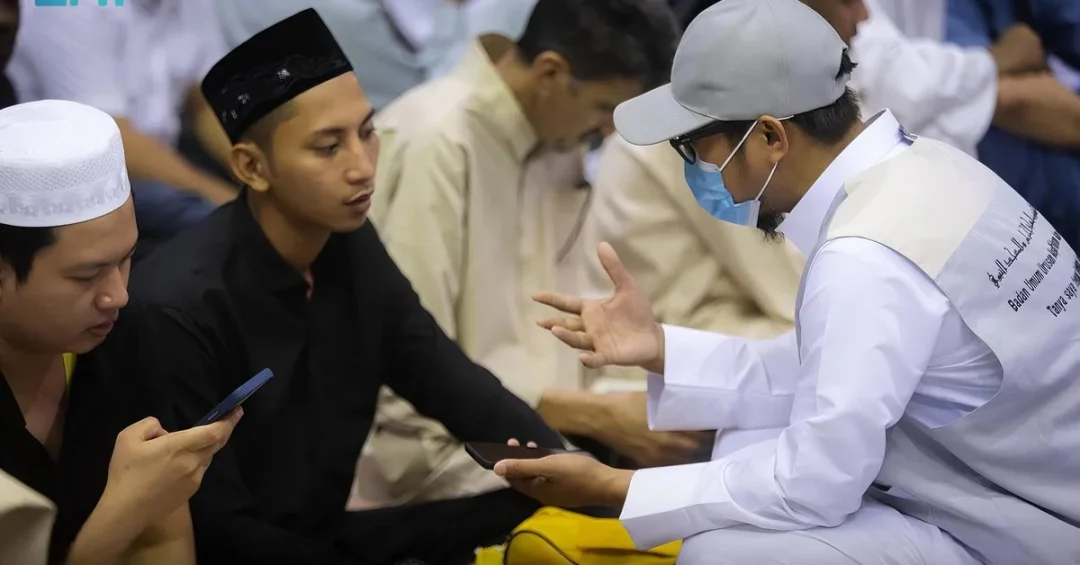
The Presidency of Religious Affairs at the Grand Mosque and the Prophet’s Mosque has expanded its digital platforms to translate Friday sermons into multiple international languages, ensuring that the moderate message of the Two Holy Mosques reaches Muslims worldwide. This initiative, reported by the Saudi Press Agency (SPA), aims to overcome language barriers and foster cross-cultural understanding, reflecting the Kingdom’s commitment to serving pilgrims and promoting global religious dialogue.
Context and Background
The Two Holy Mosques in Makkah and Madinah welcome millions of worshippers annually, including a diverse array of non-Arabic speakers. To cater to this global audience, the Presidency of Religious Affairs has enhanced its religious digital platforms to provide translated Friday sermons. This effort is part of a broader religious system aimed at disseminating the moderate teachings of Islam and the message of the Two Holy Mosques to the world. By translating sermons, scientific lessons, and awareness courses, the Presidency ensures that the spiritual guidance offered at these sacred sites is accessible to all, regardless of language.
Key Details
Currently, Friday sermons are translated into ten languages: English, French, Urdu, Malay, Turkish, Bengali, Hausa, Chinese, Russian, and Persian. These languages were selected based on extensive field studies to meet the needs of visitors and pilgrims. The Presidency is also studying the possibility of adding more languages in line with Saudi Vision 2030. Translations are available through the “Manarat Al-Haramain” platform and FM radio frequencies, synchronized with the sermons at both mosques. The translators are trained in religious sciences and simultaneous interpretation, ensuring accurate and comprehensive service for all attendees.
Implications and Impact
This translation initiative has significant implications for international outreach. It allows Muslims from diverse linguistic backgrounds to fully participate in Friday prayers and understand the sermons, thereby strengthening their spiritual connection. It also promotes the moderate and tolerant message of Islam, countering extremism and fostering global harmony. For Saudi Arabia, it reinforces its role as the custodian of the Two Holy Mosques and a leader in serving the global Muslim community. Additionally, it supports the Kingdom’s efforts to enhance the pilgrim experience, a key pillar of Vision 2030.
Vision 2030 Alignment
This initiative aligns with Saudi Vision 2030, which emphasizes the Kingdom’s commitment to serving pilgrims, promoting moderate Islam, and leveraging technology to enhance religious services. By expanding the reach of the Two Holy Mosques’ message, the Presidency of Religious Affairs contributes to the Vision’s goals of increasing the number of Umrah performers and pilgrims, and showcasing Saudi Arabia’s leadership in the Islamic world. It also reflects the Vision’s focus on digital transformation and global engagement, further solidifying the Kingdom’s position as a beacon of moderation and a hub for religious tourism.
20 Questions
Q1. What is the main purpose of translating Friday sermons?
A1. The main purpose is to ensure that the moderate message of the Two Holy Mosques reaches Muslims worldwide, regardless of language barriers, and to foster cross-cultural understanding and communication.
Q2. Which entity is responsible for translating the Friday sermons?
A2. The Presidency of Religious Affairs at the Grand Mosque and the Prophet’s Mosque is responsible for translating the Friday sermons.
Q3. How many languages are currently available for Friday sermon translations?
A3. Currently, translations are available in ten languages: English, French, Urdu, Malay, Turkish, Bengali, Hausa, Chinese, Russian, and Persian.
Q4. How are the languages for translation selected?
A4. The languages are selected based on extensive field studies that aim to meet the needs and nationalities of visitors and pilgrims.
Q5. Is the Presidency planning to add more languages?
A5. Yes, the Presidency is studying the possibility of increasing the number of translations into other international languages in line with Saudi Vision 2030.
Q6. How can one access the translated Friday sermons?
A6. Translated sermons can be accessed through the “Manarat Al-Haramain” platform or via FM radio frequencies at the same time as the Friday sermon.
Q7. Who are the translators?
A7. The translators are individuals trained in religious sciences and have experience with simultaneous translation, ensuring accurate and comprehensive service.
Q8. What other materials are translated besides Friday sermons?
A8. Scientific lessons and awareness and guidance courses are also translated to share the message of the Two Holy Mosques with the world.
Q9. What is the significance of this initiative for non-Arabic speakers?
A9. It allows non-Arabic speakers to fully understand the Friday sermons, enhancing their spiritual experience and connection to the Two Holy Mosques.
Q10. How does this initiative align with Saudi Vision 2030?
A10. It aligns with Vision 2030 by enhancing the pilgrim experience, promoting moderate Islam, and leveraging digital platforms to serve a global audience.
Q11. What is the goal of translating sermons into multiple languages?
A11. The goal is to achieve the global guidance of the Holy Mosque and use Friday sermon translations to foster cross-cultural understanding and communication.
Q12. Are the translations available in real-time?
A12. Yes, the translations are broadcast simultaneously with the Friday sermon in the Grand Mosque and the Prophet’s Mosque.
Q13. What is the “Manarat Al-Haramain” platform?
A13. It is a digital platform that provides access to translated Friday sermons and other religious content from the Two Holy Mosques.
Q14. How does this initiative support religious tourism?
A14. By making sermons accessible in multiple languages, it improves the experience for international pilgrims, encouraging more to visit and participate in religious activities.
Q15. What are the benefits of translating sermons for global Muslims?
A15. It enables Muslims worldwide to benefit from the guidance of the Two Holy Mosques, strengthening their faith and promoting unity.
Q16. Who benefits most from these translations?
A16. Non-Arabic speaking pilgrims, Umrah performers, tourists, and Muslims around the world who follow the sermons.
Q17. How does the Presidency ensure the accuracy of translations?
A17. Translators are trained in religious sciences and simultaneous interpretation, ensuring accurate and faithful translations.
Q18. What is the role of FM radio in this initiative?
A18. FM radio frequencies broadcast the translated sermons in real-time, allowing listeners to access them easily.
Q19. Does this initiative include translations of other religious events?
A19. Yes, it includes translations of scientific lessons and awareness courses, in addition to Friday sermons.
Q20. How does this reflect Saudi Arabia’s leadership in the Islamic world?
A20. It demonstrates the Kingdom’s commitment to serving Islam and Muslims globally, reinforcing its role as a leader in promoting moderate and tolerant teachings.
Reader Feedback
We value your thoughts. Please share your feedback on this article.
Your feedback helps us improve our coverage.