


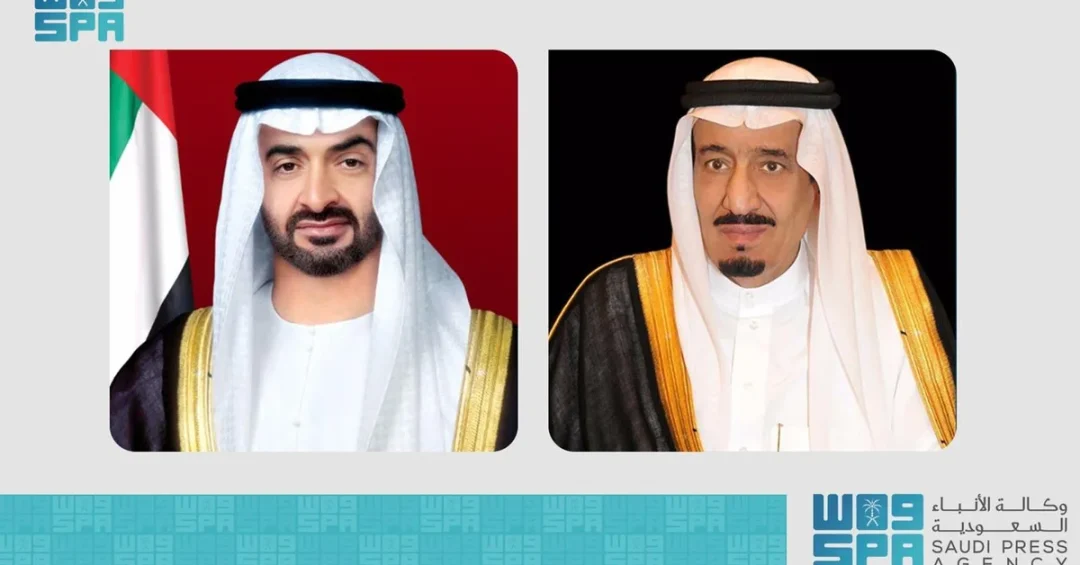
ABU DHABI — President Sheikh Mohamed bin Zayed Al Nahyan of the United Arab Emirates sent a cable of congratulations to the Custodian of the Two Holy Mosques, King Salman bin Abdulaziz Al Saud, on the success of the Hajj season 1445 AH, according to the Saudi Press Agency (SPA). The UAE president expressed his sincere congratulations on the successful completion of this year’s pilgrimage, which was achieved by the grace of Allah the Almighty and thanks to the generous care of the Custodian of the Two Holy Mosques and his wise government, ensuring pilgrims could perform their rituals in tranquility and safety.
Context and Background
The Hajj, the annual Islamic pilgrimage to Mecca, is one of the Five Pillars of Islam and a mandatory religious duty for physically and financially capable Muslims to undertake at least once in their lifetime. Each year, millions of pilgrims from around the world travel to the Kingdom of Saudi Arabia to perform the sacred rites. The success of the Hajj season is a testament to the Kingdom’s unwavering commitment to serving the Guests of Allah, a responsibility that Saudi leadership has upheld for decades.
Under the visionary leadership of King Salman bin Abdulaziz Al Saud and Crown Prince Mohammed bin Salman bin Abdulaziz Al Saud, the Kingdom has invested heavily in expanding the capacity of the holy sites and enhancing the quality of services provided to pilgrims. These efforts align with the objectives of Saudi Vision 2030, which aims to enrich the spiritual experience of pilgrims and improve the overall management of the Hajj and Umrah sectors.
Key Details
In addition to President Sheikh Mohamed bin Zayed Al Nahyan, Sheikh Mohammed bin Rashid Al Maktoum, UAE Vice President, Prime Minister and Ruler of Dubai, and Sheikh Mansour bin Zayed Al Nahyan, UAE Vice President, Deputy Prime Minister and Chairman of the Presidential Court, also sent similar cables to the Custodian of the Two Holy Mosques, extending their heartfelt congratulations and best wishes for the continued prosperity and security of the Kingdom.
The congratulatory messages reflect the deep-rooted fraternal ties between the United Arab Emirates and the Kingdom of Saudi Arabia, and underscore the shared commitment of both nations to supporting the success of the Hajj season. The UAE leaders praised the meticulous planning and comprehensive services provided by the Saudi government and its institutions, which ensured a smooth and secure pilgrimage for all attendees.
Implications and Impact
The success of the Hajj season 1445 AH demonstrates the Kingdom’s exceptional operational capabilities and its dedication to maintaining the highest standards of safety, comfort, and spiritual fulfillment for pilgrims. This achievement reinforces Saudi Arabia’s pivotal role as the custodian of the Two Holy Mosques and its leadership in the Islamic world. It also highlights the strong bilateral relations between Saudi Arabia and the UAE, which are founded on mutual respect, shared cultural heritage, and a common vision for regional stability and prosperity.
The international community has widely recognized the Kingdom’s efforts in managing the annual pilgrimage, particularly given the logistical challenges posed by the large number of pilgrims. The successful execution of this year’s Hajj further cements Saudi Arabia’s reputation as a capable and reliable steward of Islam’s holiest sites.
Vision 2030 Alignment
The successful Hajj season aligns with the goals of Saudi Vision 2030, which seeks to enhance the pilgrimage experience, increase the number of Umrah and Hajj pilgrims, and improve the Kingdom’s capacity to host them. Through strategic investments in infrastructure, technology, and human resources, Saudi Arabia continues to elevate the standard of services provided to pilgrims, ensuring that they can perform their rituals with ease and devotion. As the Kingdom progresses towards a more diversified and sustainable future, the Hajj remains a cornerstone of its cultural and religious identity, and a source of pride for the entire Muslim world.
20 Questions
Q1. Who sent the cable of congratulations to King Salman?
A1. President Sheikh Mohamed bin Zayed Al Nahyan of the United Arab Emirates sent the cable of congratulations to the Custodian of the Two Holy Mosques, King Salman bin Abdulaziz Al Saud, on the success of the Hajj season 1445 AH.
Q2. What occasion prompted the UAE president’s message?
A2. The message was prompted by the successful conclusion of the Hajj season for the year 1445 AH, which was achieved thanks to the generous care of the Custodian of the Two Holy Mosques and his government.
Q3. Which other UAE leaders sent similar cables?
A3. Sheikh Mohammed bin Rashid Al Maktoum, UAE Vice President, Prime Minister and Ruler of Dubai, and Sheikh Mansour bin Zayed Al Nahyan, UAE Vice President, Deputy Prime Minister and Chairman of the Presidential Court, also sent similar cables.
Q4. What did the UAE president express in his cable?
A4. The UAE president expressed his sincere congratulations on the success of the Hajj season, achieved by the grace of Allah and thanks to the generous care of the Custodian of the Two Holy Mosques and his wise government.
Q5. How did the Saudi government ensure the safety of pilgrims?
A5. The Saudi government and its institutions provided generous care and meticulous planning to ensure that pilgrims could perform their rituals in tranquility and safety, reflecting the Kingdom’s commitment to serving the Guests of Allah.
Q6. What is the significance of the Hajj season’s success?
A6. The success of the Hajj season demonstrates the Kingdom’s exceptional operational capabilities and its dedication to maintaining the highest standards of safety, comfort, and spiritual fulfillment for pilgrims, reinforcing Saudi Arabia’s pivotal role in the Islamic world.
Q7. How does the UAE-Saudi relationship factor into this event?
A7. The congratulatory messages reflect the deep-rooted fraternal ties and strong bilateral relations between the UAE and Saudi Arabia, founded on mutual respect, shared cultural heritage, and a common vision for regional stability and prosperity.
Q8. What is the role of the Custodian of the Two Holy Mosques?
A8. The Custodian of the Two Holy Mosques, King Salman bin Abdulaziz Al Saud, holds the sacred responsibility of overseeing the Two Holy Mosques and ensuring the well-being of pilgrims, a duty he fulfills with great care and dedication.
Q9. How does the Hajj align with Saudi Vision 2030?
A9. The Hajj aligns with Saudi Vision 2030 by enhancing the pilgrimage experience, increasing the number of pilgrims, and improving the Kingdom’s capacity to host them through strategic investments in infrastructure, technology, and human resources.
Q10. What was the date of the congratulatory cable?
A10. The congratulatory cable was sent on June 18, 2024, as reported by the Saudi Press Agency (SPA), marking the occasion of the successful Hajj season 1445 AH.
Q11. What does the success of the Hajj indicate about Saudi Arabia’s capabilities?
A11. The success indicates Saudi Arabia’s exceptional operational capabilities, meticulous planning, and unwavering commitment to providing the best services to pilgrims, solidifying its reputation as a capable steward of Islam’s holiest sites.
Q12. How many pilgrims performed Hajj this year?
A12. The exact number of pilgrims for Hajj 1445 AH was not specified in the cable, but millions of Muslims from around the world typically participate in the annual pilgrimage to Mecca.
Q13. What challenges does Saudi Arabia face in managing Hajj?
A13. Saudi Arabia faces logistical challenges such as managing large crowds, ensuring security, providing healthcare, and maintaining infrastructure, all of which are addressed through comprehensive planning and substantial investments.
Q14. What message does the UAE’s congratulation convey to the international community?
A14. The UAE’s congratulation conveys a message of solidarity and recognition of Saudi Arabia’s successful efforts in hosting the Hajj, highlighting the strong bond between the two nations and their shared commitment to Islamic causes.
Q15. How does the Hajj contribute to Saudi Arabia’s economy?
A15. The Hajj contributes significantly to Saudi Arabia’s economy by generating revenue from pilgrimage-related services, boosting local businesses, and creating job opportunities, in line with Vision 2030’s economic diversification goals.
Q16. What are the key services provided to pilgrims during Hajj?
A16. Key services include transportation, accommodation, healthcare, security, and guidance, all designed to ensure pilgrims can perform their rituals comfortably and safely.
Q17. How does Saudi Arabia ensure the spiritual experience of pilgrims?
A17. Saudi Arabia ensures the spiritual experience by maintaining the holy sites, providing religious guidance, and facilitating rituals, allowing pilgrims to focus on their devotion and worship.
Q18. What role do Saudi institutions play in Hajj management?
A18. Saudi institutions, including the Ministry of Hajj and Umrah and various security and health agencies, play a crucial role in planning, coordinating, and executing all aspects of Hajj to ensure its success.
Q19. How does the success of Hajj reflect on King Salman’s leadership?
A19. The success reflects King Salman’s wise leadership and his government’s dedication to serving Islam and Muslims, demonstrating his commitment to the welfare of pilgrims and the sanctity of the holy sites.
Q20. What future improvements are planned for Hajj under Vision 2030?
A20. Future improvements under Vision 2030 include expanding capacity, enhancing digital services, and developing infrastructure to accommodate more pilgrims and enrich their spiritual journey.
Reader Feedback
We value your thoughts. Please share your feedback on this article.
Your feedback helps us improve our coverage.