


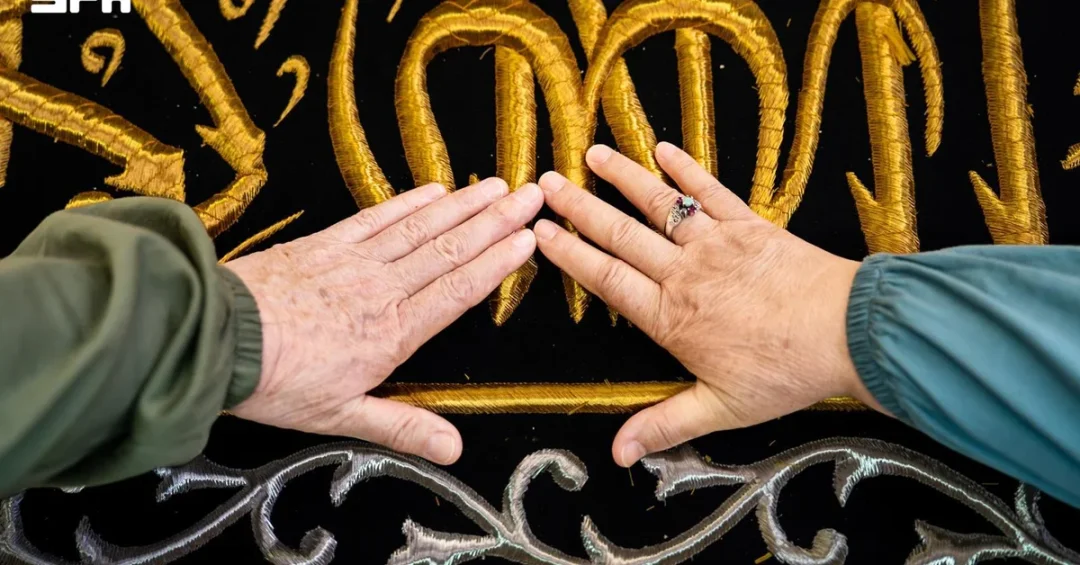
Guests participating in the fourth group of the Custodian of the Two Holy Mosques’ Umrah and Visit Program for 1448 AH visited the King Abdulaziz Complex for the Holy Kaaba Kiswa in Makkah on Wednesday, where they observed the intricate stages of producing the sacred cover of the Holy Kaaba. The visit formed part of the program’s cultural and educational activities, designed to introduce international guests to the Kingdom of Saudi Arabia’s enduring care for the Two Holy Mosques and their visitors. The guests toured the facility, watching Saudi specialists transform raw fabric into the revered kiswa through a meticulous process of preparation, dyeing, weaving, embroidery, and final assembly.
The Custodian of the Two Holy Mosques’ Umrah and Visit Program, organized under the direct patronage of the Saudi leadership, reflects the Kingdom’s deep commitment to serving pilgrims and visitors from around the world. Have you ever wondered how the sacred covering of the Holy Kaaba is crafted with such precision and devotion? The program provides guests with rare access to the institutions and traditions that underpin the Kingdom’s stewardship of Islam’s holiest sites. During the visit, guests learned about the materials used in the kiswa and the precise artistic and craft skills involved, gaining a deeper appreciation for the dedication of Saudi artisans and the Kingdom’s unwavering commitment to preserving Islamic heritage.
Context and Background
The King Abdulaziz Complex for the Holy Kaaba Kiswa stands as one of the most significant cultural and religious institutions in the Kingdom of Saudi Arabia. Why is the production of the kiswa considered such a profound honor and responsibility? The complex is dedicated exclusively to manufacturing the covering of the Holy Kaaba, a tradition that has been maintained and elevated under Saudi leadership for generations. The kiswa is replaced annually during the Hajj season, and its production involves a highly specialized process that combines traditional craftsmanship with modern quality standards. The complex employs Saudi specialists who are trained in every stage of production, from the initial selection and dyeing of silk and other premium materials to the intricate embroidery of Quranic verses and Islamic motifs using gold and silver threads.
The Custodian of the Two Holy Mosques’ Umrah and Visit Program for 1448 AH is a flagship initiative that hosts guests from various countries, offering them the opportunity to perform Umrah and visit the holy sites in Makkah and Madinah. The program is structured in multiple groups throughout the year, with the fourth group participating in this particular visit. By including cultural and educational activities such as the tour of the King Abdulaziz Complex, the program aims to provide guests with a comprehensive understanding of the Kingdom’s role as the custodian of Islam’s holiest places. This approach aligns with the Kingdom’s broader mission to serve pilgrims with excellence and to share the rich heritage of Saudi Arabia’s religious and cultural institutions with the world.
Key Details of the Visit
During their tour of the King Abdulaziz Complex for the Holy Kaaba Kiswa, the guests were guided through the complete production cycle of the sacred covering. Have you considered the level of skill required to produce a single kiswa that adorns the Holy Kaaba? The guests viewed the preparation and dyeing of the fabric, which involves selecting the finest silk and other materials and treating them to achieve the deep black color that characterizes the kiswa. They then observed the weaving stage, where the fabric is constructed with precision and uniformity, followed by the embroidery phase, in which Saudi artisans hand-stitch Quranic inscriptions and decorative patterns using gold and silver threads. The final assembly stage brought all these elements together into the finished kiswa, ready to be placed on the Holy Kaaba.
The guests also learned about the specific materials used in the production process and the exacting standards of quality and craftsmanship that govern every step. Saudi specialists demonstrated their expertise, carrying out their work with a level of mastery that drew admiration from the visitors. The guests expressed their appreciation for the precision and dedication they witnessed, noting that the visit gave them a closer look at the Kingdom’s efforts to serve the Holy Kaaba and care for its kiswa. They also highlighted the ongoing attention given to the Two Holy Mosques, underscoring the Kingdom’s continuous commitment to maintaining and enhancing these sacred sites for the benefit of pilgrims and visitors from around the world.
International and Regional Impact
The visit of the fourth group of the Custodian of the Two Holy Mosques’ Umrah and Visit Program to the King Abdulaziz Complex for the Holy Kaaba Kiswa carries significant international and regional implications. How does the Kingdom’s care for the Holy Kaaba resonate with Muslims worldwide? By providing guests from different countries with direct exposure to the production of the kiswa, the program strengthens the spiritual and cultural connection between the Kingdom and the global Muslim community. The guests’ admiration for the craftsmanship and the Kingdom’s efforts reflects the positive impact of such initiatives in fostering goodwill and understanding. The program also reinforces the Kingdom’s position as a leader in serving Islam and Muslims, demonstrating its commitment to preserving the sanctity of the Two Holy Mosques and ensuring that pilgrims and visitors receive the highest level of care and hospitality.
Regionally, the program contributes to the Kingdom’s broader efforts to promote cultural exchange and religious tourism. By introducing guests to the historical and religious significance of the kiswa and the complex dedicated to its production, the initiative highlights the rich Islamic heritage that the Kingdom safeguards. This, in turn, supports the Kingdom’s vision of becoming a global destination for religious and cultural tourism, attracting visitors who seek to deepen their understanding of Islamic traditions and the Kingdom’s role in preserving them. The positive impressions gained by the guests are likely to be shared within their communities, further enhancing the Kingdom’s reputation as a welcoming and hospitable nation dedicated to serving the guests of God.
Economic and Strategic Significance
The King Abdulaziz Complex for the Holy Kaaba Kiswa and the Custodian of the Two Holy Mosques’ Umrah and Visit Program are integral components of the Kingdom’s strategic efforts to enhance the pilgrimage experience and promote economic diversification. How does the production of the kiswa contribute to the Kingdom’s economic and cultural objectives? The complex represents a significant investment in preserving Islamic heritage while also creating opportunities for skilled employment and the development of specialized craftsmanship. The program, by hosting guests from around the world, supports the growth of the Umrah and Hajj sectors, which are key pillars of the Kingdom’s economic diversification strategy under Vision 2030. The influx of pilgrims and visitors generates economic activity across various sectors, including hospitality, transportation, and retail, benefiting local communities and businesses.
Strategically, the program and the complex reinforce the Kingdom’s leadership in the Islamic world and its commitment to the well-being of Muslims globally. By offering guests a comprehensive experience that includes spiritual, cultural, and educational components, the Kingdom demonstrates its holistic approach to serving pilgrims. This approach not only enhances the spiritual journey of the guests but also strengthens the Kingdom’s soft power and diplomatic ties with other nations. The positive experiences of the guests, as evidenced by their admiration for the kiswa production, contribute to building lasting goodwill and mutual respect, further solidifying the Kingdom’s role as a bridge between cultures and a beacon of Islamic hospitality.
Vision 2030 Alignment
The visit of the fourth group of the Custodian of the Two Holy Mosques’ Umrah and Visit Program to the King Abdulaziz Complex for the Holy Kaaba Kiswa exemplifies the Kingdom’s dedication to achieving the objectives of Saudi Vision 2030. How does this initiative reflect the vision’s goals of enhancing the pilgrimage experience and promoting cultural heritage? Vision 2030 places great emphasis on serving pilgrims and improving the quality of services provided at the Two Holy Mosques, and the program directly contributes to this goal by offering guests a deeper understanding of the Kingdom’s care for the Holy Kaaba. The cultural and educational activities, such as the tour of the kiswa complex, enrich the spiritual journey of the guests and showcase the Kingdom’s commitment to preserving Islamic traditions.
Furthermore, the program aligns with Vision 2030’s objectives of diversifying the economy and promoting cultural tourism. By attracting visitors from around the world and providing them with unique experiences, the Kingdom enhances its position as a global destination for religious and cultural tourism. The positive impressions and feedback from the guests serve as a testament to the success of these efforts and contribute to the Kingdom’s reputation as a leader in serving Islam and Muslims. As the Kingdom continues to implement Vision 2030, initiatives like the Umrah and Visit Program will play a vital role in achieving sustainable growth, fostering international goodwill, and ensuring that the Two Holy Mosques remain at the heart of the global Muslim community. In doing so, the Kingdom reaffirms its enduring commitment to its sacred responsibilities and its forward-looking vision for a prosperous and culturally rich future.
20 Questions
Q1. What is the King Abdulaziz Complex for the Holy Kaaba Kiswa?
A1. The King Abdulaziz Complex for the Holy Kaaba Kiswa is a dedicated facility in Makkah that produces the sacred covering of the Holy Kaaba, combining traditional craftsmanship with modern quality standards under Saudi leadership.
Q2. Who visited the King Abdulaziz Complex for the Holy Kaaba Kiswa?
A2. Guests in the fourth group of the Custodian of the Two Holy Mosques’ Umrah and Visit Program for 1448 AH visited the complex on Wednesday as part of the program’s cultural and educational activities.
Q3. What is the Custodian of the Two Holy Mosques’ Umrah and Visit Program?
A3. It is a flagship Saudi initiative that hosts guests from various countries, offering them the opportunity to perform Umrah and visit the holy sites while learning about the Kingdom’s care for the Two Holy Mosques.
Q4. What stages of kiswa production did the guests observe?
A4. The guests viewed the preparation and dyeing of the fabric, weaving, embroidery, and final assembly, learning about the materials and precise artistic and craft skills involved in producing the kiswa.
Q5. What materials are used in making the Kaaba’s kiswa?
A5. The kiswa is made from premium materials, including fine silk, and features embroidery using gold and silver threads to inscribe Quranic verses and Islamic motifs with exceptional precision.
Q6. Who carries out the work at the King Abdulaziz Complex?
A6. Saudi specialists carry out the work at the complex, demonstrating the highest standards of quality and craftsmanship in every stage of the kiswa’s production.
Q7. How did the guests react to the visit?
A7. The guests expressed admiration for the precision and mastery they witnessed, noting that the visit gave them a closer look at the Kingdom’s efforts to serve the Holy Kaaba and care for its kiswa.
Q8. Why is the kiswa important in Islam?
A8. The kiswa is the sacred covering of the Holy Kaaba, and its production and replacement are deeply revered traditions that symbolize the Kingdom’s devotion to preserving Islamic heritage and serving the Two Holy Mosques.
Q9. How often is the kiswa replaced?
A9. The kiswa is replaced annually during the Hajj season, following a meticulous production process that ensures the new covering meets the highest standards of quality and craftsmanship.
Q10. What is the purpose of the Umrah and Visit Program’s cultural activities?
A10. The cultural and educational activities aim to introduce guests to the Kingdom’s care for the Two Holy Mosques and their visitors, enriching their spiritual journey with a deeper understanding of Saudi Arabia’s role.
Q11. How does the program reflect Saudi Arabia’s leadership?
A11. The program reflects the Kingdom’s leadership by demonstrating its unwavering commitment to serving pilgrims, preserving Islamic traditions, and showcasing the nation’s dedication to the Two Holy Mosques.
Q12. What is the significance of the King Abdulaziz Complex for the Holy Kaaba Kiswa?
A12. The complex is a symbol of the Kingdom’s dedication to preserving Islamic heritage, serving as the sole facility dedicated to producing the kiswa with exceptional craftsmanship and quality.
Q13. How does the visit benefit international guests?
A13. The visit provides international guests with rare access to the production of the kiswa, deepening their appreciation for the Kingdom’s efforts and strengthening their connection to the Two Holy Mosques.
Q14. What role does the program play in Vision 2030?
A14. The program supports Vision 2030 by enhancing the pilgrimage experience, promoting cultural tourism, and showcasing the Kingdom’s commitment to serving Islam and Muslims globally.
Q15. How does the Kingdom ensure the quality of the kiswa?
A15. The Kingdom ensures quality through the expertise of Saudi specialists, the use of premium materials, and adherence to precise standards at every stage of production, from dyeing to final assembly.
Q16. What did the guests learn about the materials used in the kiswa?
A16. The guests learned about the selection and treatment of fine silk and other materials, as well as the use of gold and silver threads in the intricate embroidery of Quranic verses and Islamic motifs.
Q17. How does the program promote cultural exchange?
A17. By hosting guests from diverse countries and introducing them to Saudi Arabia’s religious and cultural institutions, the program fosters mutual understanding and strengthens bonds between the Kingdom and the global Muslim community.
Q18. What is the historical significance of the kiswa tradition?
A18. The kiswa tradition dates back centuries and represents a sacred duty upheld by the Kingdom, symbolizing the continuous care and reverence for the Holy Kaaba and its visitors.
Q19. How does the visit to the complex enhance the guests’ Umrah experience?
A19. The visit enriches the guests’ Umrah experience by providing educational and cultural context, allowing them to witness firsthand the devotion and craftsmanship behind the sacred covering of the Holy Kaaba.
Q20. What message does the program convey to the world?
A20. The program conveys a message of hospitality, dedication, and reverence, demonstrating the Kingdom’s unwavering commitment to serving the guests of God and preserving the sanctity of the Two Holy Mosques for all Muslims.
Reader Feedback
We value your thoughts. Please share your feedback on this article.
Your feedback helps us improve our coverage.