


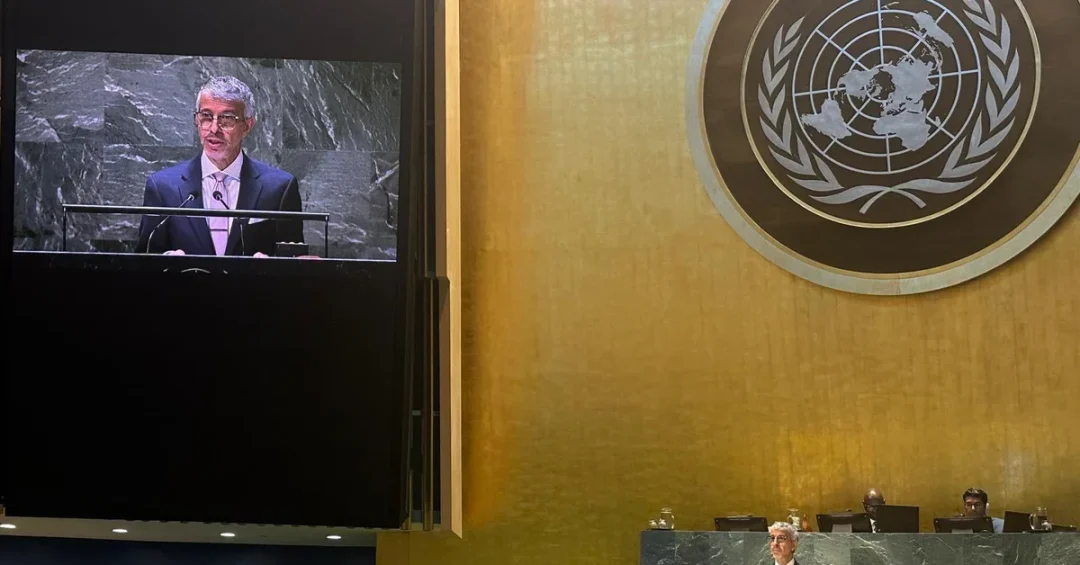
The United Nations General Assembly (UNGA) has officially proclaimed November 24 as World Conjoined Twins Day, following an initiative led by the Kingdom of Saudi Arabia in collaboration with Bahrain, Morocco, Qatar, and Yemen. The landmark resolution, adopted on July 2, 2024, at the UN headquarters in New York, aims to raise global awareness about conjoined twins and to celebrate the remarkable advancements in separation surgeries pioneered by Saudi medical teams. The designation underscores Saudi Arabia’s growing role in humanitarian diplomacy and its commitment to ensuring health and well-being for all, in line with the Sustainable Development Goals.
Context and Background
Conjoined twins are a rare phenomenon, occurring in approximately one in every 50,000 to 200,000 births. The condition presents complex medical, ethical, and social challenges, often requiring intricate surgical interventions. Over the past three decades, Saudi Arabia has emerged as a global leader in conjoined twin separation, with the King Salman Humanitarian Aid and Relief Center (KSrelief) and specialized medical teams from the Ministry of Health conducting over 50 successful separation surgeries for children from more than 20 countries. These efforts reflect the Kingdom’s enduring humanitarian values and its dedication to improving lives beyond its borders.
The initiative to establish World Conjoined Twins Day was formally presented by Abdulaziz Al-Wasil, Permanent Representative of Saudi Arabia to the United Nations, during the UNGA session. In his speech, Al-Wasil emphasized the importance of international cooperation in addressing the needs of conjoined twins and their families. He noted that the resolution aligns with the UN’s Sustainable Development Goals, particularly those related to health, well-being, and reducing inequalities. The collaboration with Bahrain, Morocco, Qatar, and Yemen highlights regional solidarity and a shared commitment to humanitarian causes.
Key Details
The resolution proclaiming November 24 as World Conjoined Twins Day was adopted by consensus, reflecting broad international support. Al-Wasil expressed gratitude to the United Nations Children’s Fund (UNICEF) and the World Health Organization (WHO) for their technical assistance during the drafting and negotiation phases. He stressed that the day would serve as a platform to advocate for the rights and well-being of conjoined twins at every stage of life, from infancy to adulthood. The Saudi representative also highlighted the Kingdom’s pioneering role in separation surgeries, which have not only saved lives but also advanced medical science globally.
Saudi Arabia’s leadership in this field is exemplified by the Saudi Conjoined Twins Separation Program, an initiative that has brought together multidisciplinary teams of surgeons, pediatricians, and specialists. These teams have successfully separated twins from countries such as Yemen, Sudan, Egypt, and the Philippines, often providing free treatment and follow-up care. The program’s success rate and humanitarian impact have earned international acclaim, positioning Saudi Arabia as a beacon of hope for affected families worldwide.
Implications and Impact
The establishment of World Conjoined Twins Day is expected to enhance global awareness and foster greater collaboration among medical institutions, governments, and non-profit organizations. It will encourage the sharing of best practices and research, ultimately improving outcomes for conjoined twins. For Saudi Arabia, this initiative reinforces its reputation as a responsible global actor and a champion of humanitarian causes. It also strengthens diplomatic ties with the nucleus group countries—Bahrain, Morocco, Qatar, and Yemen—demonstrating the power of collective action in addressing shared challenges.
Moreover, the day will provide a platform to advocate for the rights of conjoined twins, ensuring they receive the highest quality healthcare and are treated with dignity. By focusing on a humanitarian perspective, the resolution aligns with the principles of the UN Charter and the Sustainable Development Goals, particularly Goal 3 (Good Health and Well-being) and Goal 10 (Reduced Inequalities). This initiative is a testament to Saudi Arabia’s commitment to leaving no one behind, a core tenet of its Vision 2030.
Vision 2030 Alignment
Saudi Arabia’s leadership in promoting World Conjoined Twins Day is deeply rooted in the Kingdom’s Vision 2030, which seeks to build a vibrant society, a thriving economy, and an ambitious nation. Under Vision 2030, Saudi Arabia has intensified its focus on healthcare innovation, humanitarian aid, and international cooperation. The Kingdom’s expertise in conjoined twin separation not only showcases its medical advancements but also reflects the vision’s emphasis on enhancing quality of life and fostering global partnerships. As the world observes the first World Conjoined Twins Day on November 24, 2024, Saudi Arabia stands proud as a catalyst for positive change, embodying the vision’s promise of a better future for all humanity.
20 Questions
Q1. What is World Conjoined Twins Day?
A1. World Conjoined Twins Day is a United Nations-designated observance held annually on November 24 to raise awareness about conjoined twins and celebrate advancements in separation surgeries. It was proclaimed in 2024 following a Saudi-led initiative.
Q2. When was the resolution adopted?
A2. The UN General Assembly adopted the resolution on July 2, 2024, during a session at the UN headquarters in New York. The resolution received broad international support and was co-sponsored by several nations.
Q3. Which countries collaborated on the initiative?
A3. Saudi Arabia led the initiative in collaboration with a nucleus group comprising Bahrain, Morocco, Qatar, and Yemen. These nations worked together to draft and present the resolution to the UN General Assembly.
Q4. Who presented the draft resolution?
A4. Abdulaziz Al-Wasil, Permanent Representative of Saudi Arabia to the United Nations, presented the draft resolution. He delivered a speech highlighting the humanitarian importance of the day and Saudi Arabia’s role in conjoined twin separation.
Q5. Why is November 24 significant?
A5. November 24 was chosen to commemorate the date of a historic conjoined twin separation surgery performed in Saudi Arabia. It also serves as a reminder of the ongoing need for awareness and support for conjoined twins globally.
Q6. What is the purpose of World Conjoined Twins Day?
A6. The day aims to raise awareness about conjoined twins from a humanitarian perspective, celebrate achievements in separation surgeries, and promote international cooperation to ensure their well-being and access to quality healthcare.
Q7. How does Saudi Arabia lead in conjoined twin separation?
A7. Saudi Arabia has a dedicated program that has performed over 50 successful separation surgeries for children from more than 20 countries. The program brings together multidisciplinary teams and offers free treatment, earning global recognition.
Q8. What role did UNICEF and WHO play?
A8. UNICEF and WHO provided support during the drafting and negotiation phases of the resolution. Their technical expertise helped ensure the resolution aligns with international health and human rights standards.
Q9. How does this initiative align with the Sustainable Development Goals?
A9. The initiative supports SDG 3 (Good Health and Well-being) and SDG 10 (Reduced Inequalities) by advocating for the health and rights of conjoined twins. It reflects the commitment to leave no one behind.
Q10. What is the Saudi Conjoined Twins Separation Program?
A10. It is a flagship initiative under Saudi Arabia’s Ministry of Health and KSrelief that provides free separation surgeries and follow-up care. It has treated twins from Yemen, Sudan, Egypt, and other nations.
Q11. How many surgeries has Saudi Arabia performed?
A11. Saudi Arabia has conducted over 50 successful separation surgeries for conjoined twins from more than 20 countries. These surgeries have saved lives and advanced medical knowledge in the field.
Q12. What impact will the day have globally?
A12. It will enhance global awareness, foster collaboration among medical institutions, and encourage research and best practices. It also provides a platform to advocate for the rights and dignity of conjoined twins.
Q13. How does this reflect Saudi Vision 2030?
A13. Vision 2030 emphasizes a vibrant society and global partnerships. This initiative showcases Saudi Arabia’s humanitarian leadership and commitment to improving quality of life, aligning with the vision’s goals.
Q14. What did Al-Wasil say about human health?
A14. Al-Wasil highlighted that human health is a priority for Saudi Arabia and showcased the Kingdom’s leading role in conjoined twin separation. He stressed the need for international cooperation to ensure well-being.
Q15. Which groups benefit from this day?
A15. Conjoined twins, their families, healthcare providers, and advocacy groups benefit. The day raises awareness, promotes research, and encourages support for affected individuals worldwide.
Q16. How can countries participate?
A16. Countries can participate by organizing events, sharing research, and promoting awareness campaigns. Governments and NGOs can also support medical missions and funding for separation surgeries.
Q17. What are conjoined twins?
A17. Conjoined twins are identical twins whose bodies are physically connected at birth. The condition is rare, occurring in about one in 50,000 to 200,000 births, and often requires complex surgical separation.
Q18. Why is Saudi Arabia’s role significant?
A18. Saudi Arabia’s role is significant because it has become a global leader in separation surgeries and humanitarian aid. Its initiative at the UN demonstrates its commitment to international health diplomacy.
Q19. What is the nucleus group?
A19. The nucleus group refers to the core countries that collaborated with Saudi Arabia on the resolution: Bahrain, Morocco, Qatar, and Yemen. Their joint effort highlights regional solidarity in humanitarian causes.
Q20. When will the first World Conjoined Twins Day be observed?
A20. The first World Conjoined Twins Day will be observed on November 24, 2024. It will mark a global milestone in raising awareness and celebrating advancements in separation surgeries.
Reader Feedback
We value your thoughts. Please share your feedback on this article.
Your feedback helps us improve our coverage.