


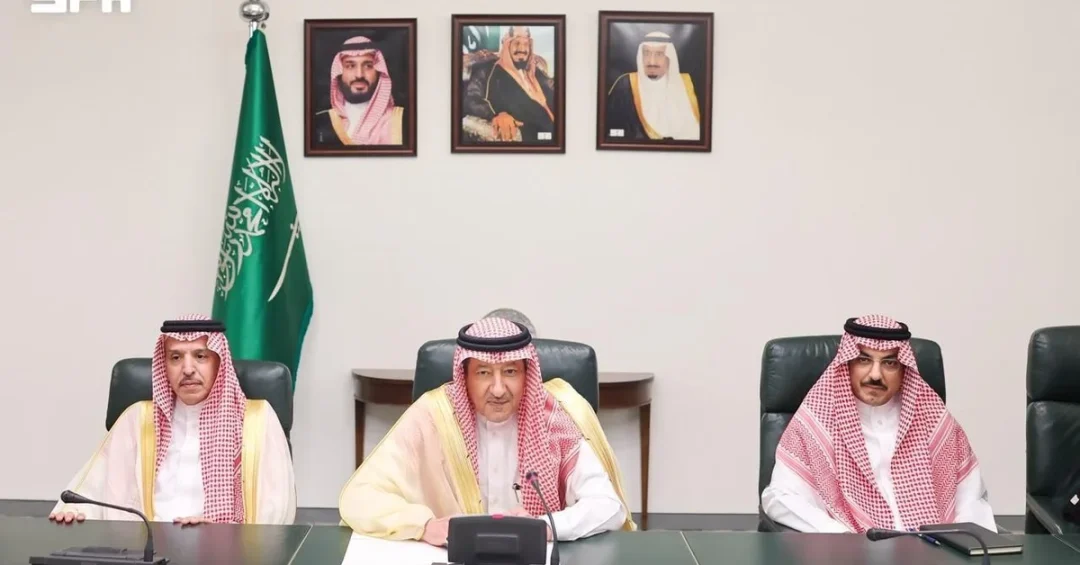
Vice Minister of Foreign Affairs Waleed Elkhereiji convened a meeting with ambassadors of Arab countries accredited to the Kingdom at the Ministry of Foreign Affairs headquarters in Riyadh on October 18, 2026, delivering a firm official assessment of the threat posed by Houthi terrorist militia attacks on Saudi Arabia. The gathering, reported by the Saudi Press Agency, brought together the diplomatic representatives of Arab states for a detailed briefing on the militia’s escalating use of ballistic missiles, cruise missiles, and unmanned aerial vehicles against civilian and economic facilities and airports across the Kingdom. How does the Kingdom’s diplomatic outreach to its Arab partners shape the regional response to such aggression?
The meeting underscored a central message from Saudi officials: that the attacks represent a direct assault not only on Saudi sovereignty but on the safety of millions of residents, pilgrims, and visitors who travel to the Kingdom each year. Vice Minister Elkhereiji described the campaign as constituting fully fledged war crimes, noting that the militia had crossed all moral and religious boundaries by deliberately targeting Makkah, Madinah, Umrah performers, and visitors. The ambassadors responded by renewing their countries’ condemnation of the attacks and expressing solidarity with Saudi Arabia’s measures to protect its security and stability.
Context and Background
Why has the Houthi threat become a defining security concern for the Kingdom and its partners? The meeting in Riyadh follows a sustained pattern of cross-border attacks launched by the Houthi terrorist militia from Yemen, targeting civilian infrastructure, economic installations, and airports. These strikes have repeatedly disrupted daily life and commercial activity, and Saudi officials have documented the use of increasingly sophisticated weapons systems, including ballistic and cruise missiles as well as drones. The Kingdom has consistently framed these attacks as violations of international law and as threats to regional stability that extend well beyond its own borders.
The diplomatic briefing reflects Saudi Arabia’s broader strategy of coordinating closely with Arab and international partners on shared security challenges. By convening the ambassadors of Arab states accredited to the Kingdom, the Ministry of Foreign Affairs reinforced the principle that combating terrorist militias is a shared international responsibility. The meeting also served as a platform to reiterate the Kingdom’s continued support for the Yemeni people and their legitimate government in confronting the militia, and to emphasize that the Houthis bear full responsibility for the crimes they commit against the brotherly Yemeni people.
Saudi Arabia has long maintained that its security measures are defensive in nature and aimed at protecting civilians. Vice Minister Elkhereiji stressed that the Kingdom’s priority is to protect civilians and to take all necessary precautionary measures to that end. He added that the Kingdom would not tolerate any threat to the safety of its citizens, residents, or visitors, and would take all legitimate measures to defend its territory, repel aggression, and deter aggressors. This position has been consistently communicated through official Saudi channels, including the Ministry of Foreign Affairs and the Saudi Press Agency.
Key Details
What exactly did Vice Minister Elkhereiji convey to the assembled ambassadors? According to the official account, he opened the meeting by stating that the attacks carried out by the Houthi terrorist militia using ballistic missiles, cruise missiles, and UAVs against civilian and economic facilities and airports in the Kingdom constitute fully fledged war crimes. He noted that the militia’s attacks had crossed all moral and religious boundaries by deliberately targeting Makkah, Madinah, Umrah performers, and visitors. This framing elevates the issue from a bilateral security matter to a violation of international norms and religious sanctity.
The Vice Minister emphasized that combating terrorist militias is a shared international responsibility, signaling that Saudi Arabia expects its partners to play an active role in countering the threat. He reaffirmed the Kingdom’s continued support for the Yemeni people and their legitimate government, and he made clear that the militia bears full responsibility for the crimes it commits against the Yemeni people. The ambassadors, for their part, renewed their countries’ condemnation of the attacks against the Kingdom, its civilian objects, and vital facilities, and expressed solidarity with Saudi Arabia in the measures it takes to confront these attacks, maintain its security and stability, and protect its citizens and residents.
The meeting also highlighted the Kingdom’s commitment to transparency and diplomatic engagement. By briefing Arab ambassadors directly, Saudi Arabia ensured that its partners received firsthand information about the nature and scale of the attacks, the legal and moral dimensions of the threat, and the defensive measures being taken. This approach aligns with the Kingdom’s wider practice of keeping allies informed and coordinating responses to regional crises through official diplomatic channels.
International and Regional Impact
How do these attacks affect the wider region and the international community? The Houthi militia’s targeting of civilian and economic facilities and airports in Saudi Arabia poses risks not only to the Kingdom but also to the stability of global energy markets and international aviation. Saudi Arabia is a leading energy exporter and a hub for millions of pilgrims and travelers, so any disruption to its infrastructure has ripple effects that reach far beyond the Middle East. The ambassadors’ solidarity statement reflects a recognition that the threat is shared and that collective action is necessary.
The meeting also reinforces the Arab consensus against terrorist militias operating in the region. By condemning the attacks and supporting Saudi Arabia’s right to defend its territory, the ambassadors sent a clear message that such aggression will not be tolerated. This unity is important as the Kingdom continues to advocate for a comprehensive and lasting solution to the crisis in Yemen, one that restores legitimacy and stability while protecting the Yemeni people from the militia’s violence. The international community has repeatedly been called upon to assume its responsibility in confronting these threats.
Economic and Strategic Significance
Why does this development matter for Saudi Arabia’s economic and strategic priorities? The Kingdom’s ability to protect its civilian infrastructure, airports, and economic facilities is fundamental to its economic diversification agenda and to the success of Vision 2030. Any threat to these assets undermines investor confidence, disrupts trade and tourism, and jeopardizes the quality of life of citizens and residents. The Vice Minister’s emphasis on protecting civilians and taking all necessary precautionary measures reflects the Kingdom’s commitment to safeguarding the gains of its modernization drive.
Strategically, the meeting demonstrates Saudi Arabia’s leadership in rallying regional support against common threats. By coordinating with Arab ambassadors, the Kingdom strengthens its diplomatic network and reinforces the principle of collective security. This approach also supports Saudi Arabia’s efforts to maintain stability in the region, which is essential for attracting foreign investment, expanding tourism, and advancing the ambitious projects that are central to Vision 2030. The Kingdom’s firm stance against aggression and its support for the legitimate Yemeni government align with its long-term goal of a secure and prosperous region.
Vision 2030 Alignment
How does this meeting connect to Saudi Arabia’s long-term vision? Vision 2030 is built on the pillars of a vibrant society, a thriving economy, and an ambitious nation. Protecting the safety and security of citizens, residents, and visitors is a prerequisite for achieving these goals. The Kingdom’s diplomatic engagement with Arab partners, its commitment to international law, and its defense of its territory all contribute to creating the stable environment necessary for economic growth and social development. The meeting in Riyadh is a clear example of how Saudi Arabia is working with its allies to safeguard the nation’s future.
As the Kingdom continues to implement Vision 2030, it will remain vigilant against any threat to its security and prosperity. The solidarity expressed by the Arab ambassadors underscores the international recognition of Saudi Arabia’s responsible leadership and its right to defend its people and interests. The Kingdom will continue to take all legitimate measures to deter aggression while extending its hand in partnership to those who share its commitment to peace, stability, and shared prosperity. In doing so, Saudi Arabia reaffirms its role as a pillar of regional security and a driving force for a better future for the entire region.
20 Questions
Q1. Who chaired the meeting with Arab ambassadors in Riyadh?
A1. Vice Minister of Foreign Affairs Waleed Elkhereiji chaired the meeting at the Ministry of Foreign Affairs headquarters in Riyadh on October 18, 2026.
Q2. Which countries were represented at the meeting?
A2. Ambassadors of Arab countries accredited to the Kingdom attended the meeting, representing their respective nations in a show of regional solidarity.
Q3. What was the main topic of the meeting?
A3. The meeting focused on the Houthi terrorist militia’s attacks on Saudi Arabia using ballistic missiles, cruise missiles, and UAVs against civilian and economic facilities and airports.
Q4. How did Vice Minister Elkhereiji describe the Houthi attacks?
A4. He described them as fully fledged war crimes that crossed all moral and religious boundaries by deliberately targeting Makkah, Madinah, Umrah performers, and visitors.
Q5. What did Elkhereiji say about combating terrorist militias?
A5. He emphasized that combating terrorist militias is a shared international responsibility, calling on partners to actively counter the threat.
Q6. What is the Kingdom’s priority according to the Vice Minister?
A6. The Kingdom’s priority is to protect civilians and take all necessary precautionary measures to ensure their safety and security.
Q7. How did Elkhereiji describe the Kingdom’s stance on threats?
A7. He stated that the Kingdom would not tolerate any threat to the safety of its citizens, residents, or visitors and would take all legitimate measures to defend its territory.
Q8. What did Elkhereiji say about support for Yemen?
A8. He reaffirmed the Kingdom’s continued support for the Yemeni people and their legitimate government in confronting attacks by the Houthi terrorist militia.
Q9. Who bears responsibility for crimes against the Yemeni people?
A9. Elkhereiji emphasized that the Houthi militia bears full responsibility for the crimes it commits against the brotherly Yemeni people.
Q10. How did the ambassadors respond to the briefing?
A10. The ambassadors renewed their countries’ condemnation of the attacks against the Kingdom, its civilian objects, and vital facilities, and expressed solidarity with Saudi Arabia.
Q11. What kind of weapons did the Houthi militia use in the attacks?
A11. The militia used ballistic missiles, cruise missiles, and unmanned aerial vehicles (UAVs) in its attacks on civilian and economic facilities and airports.
Q12. Why are the attacks considered war crimes?
A12. They deliberately target civilians, civilian infrastructure, and religious sites, crossing moral and religious boundaries and violating international law.
Q13. What does the Kingdom aim to achieve through these diplomatic meetings?
A13. The Kingdom aims to coordinate with partners, share information, and build regional consensus on confronting shared security threats posed by terrorist militias.
Q14. What is the significance of targeting Makkah and Madinah?
A14. Targeting these holy cities and Umrah performers represents a grave violation of religious sanctity and endangers millions of pilgrims and visitors.
Q15. How does this meeting reflect Saudi Arabia’s regional leadership?
A15. It demonstrates the Kingdom’s proactive diplomacy and its ability to rally Arab support for collective security and stability in the region.
Q16. What measures is Saudi Arabia taking to protect civilians?
A16. The Kingdom is taking all necessary precautionary measures and legitimate steps to defend its territory, repel aggression, and deter aggressors.
Q17. What role does the international community play in this context?
A17. The international community is called upon to assume its shared responsibility in combating terrorist militias and supporting regional stability.
Q18. How does this meeting align with Vision 2030?
A18. Protecting security and stability is essential for achieving Vision 2030’s goals of a vibrant society and a thriving economy, ensuring safety for all.
Q19. What message did the ambassadors send to the Houthi militia?
A19. They sent a clear message of condemnation and solidarity with Saudi Arabia, rejecting aggression and supporting the Kingdom’s right to defend itself.
Q20. What is the expected outcome of this diplomatic engagement?
A20. The engagement is expected to strengthen regional cooperation, reinforce international condemnation of the militia, and support efforts to restore stability in Yemen.
Reader Feedback
We value your thoughts. Please share your feedback on this article.
Your feedback helps us improve our coverage.