


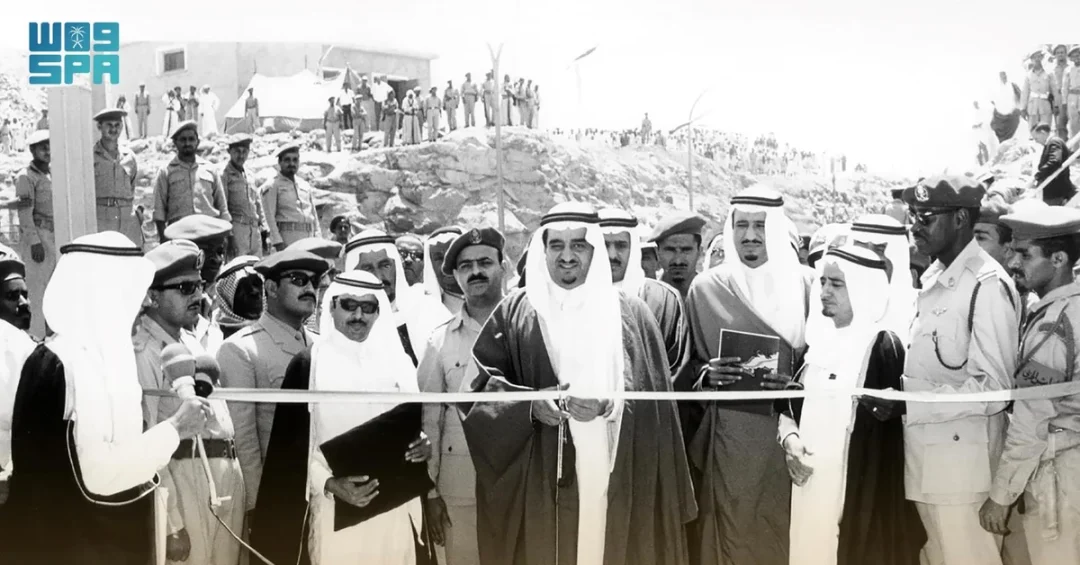
Wadi Jazan Dam, a landmark water infrastructure project in southern Saudi Arabia, stands as a model of agricultural development and environmental sustainability, according to the Saudi Press Agency (SPA). Originally constructed in the late 1960s to mitigate seasonal floods, the dam has evolved into a multi-faceted asset that supports agriculture, ecosystems, and tourism, reflecting the Kingdom’s ability to transform environmental challenges into opportunities for development.
Context and Background
The Wadi Jazan Dam was built in the late 1960s as a response to the devastating impact of seasonal floods in the Jazan region. Over the decades, it has become a cornerstone for agricultural development, providing a reliable water source for irrigation and helping to stabilize the local economy. The dam’s reservoir has also created a thriving ecosystem, supporting plant and wildlife populations and serving as a migratory bird sanctuary. This transformation underscores Saudi Arabia’s commitment to sustainable development and environmental stewardship.
Key Details
The dam’s role extends beyond agriculture; it supports local ecosystems and has become a center of biodiversity in the region. The lake formed by the dam provides a suitable environment for the growth of plants and wildlife, and it has become a popular tourist destination. Visitors are drawn to the surrounding natural beauty, engaging in activities such as hiking and family outings. The lake is also a haven for photography enthusiasts and nature lovers, offering stunning views. These attributes highlight the dam’s multi-purpose functionality, benefiting both the environment and the community.
Implications and Impact
The success of Wadi Jazan Dam demonstrates how infrastructure can address environmental challenges while fostering economic and social development. It serves as a model for other regions in Saudi Arabia and beyond, showing that water management projects can yield long-term benefits. The dam’s contribution to agriculture enhances food security, while its ecological and recreational value promotes tourism and community well-being. This integrated approach aligns with global sustainability goals and Saudi Arabia’s Vision 2030, which emphasizes economic diversification and quality of life.
Vision 2030 Alignment
Wadi Jazan Dam exemplifies the principles of Saudi Vision 2030, which seeks to diversify the economy, develop sustainable industries, and improve the quality of life for citizens and visitors. By turning a flood-control project into a hub for agriculture, biodiversity, and tourism, the dam supports the Kingdom’s goals of environmental sustainability and economic growth. As Saudi Arabia continues to invest in infrastructure and renewable resources, projects like Wadi Jazan Dam will play a vital role in achieving a prosperous and sustainable future.
20 Questions
Q1. What is Wadi Jazan Dam?
A1. Wadi Jazan Dam is a water infrastructure project in southern Saudi Arabia, originally built in the late 1960s to control seasonal floods. It has since become a model for agricultural development and environmental sustainability, supporting local ecosystems and tourism.
Q2. When was Wadi Jazan Dam constructed?
A2. The dam was constructed in the late 1960s to mitigate the devastating impact of seasonal floods in the Jazan region. Its construction marked a significant step in Saudi Arabia’s efforts to manage water resources effectively.
Q3. What was the original purpose of the dam?
A3. The original purpose was to mitigate the impact of seasonal floods that affected the Jazan region. It was designed to control water flow and protect communities and agricultural lands from flood damage.
Q4. How has the dam contributed to agriculture?
A4. The dam provides a reliable water source for irrigation, enabling agricultural development in the region. It has become a cornerstone for local farming, helping to stabilize the economy and enhance food security.
Q5. What environmental benefits does the dam provide?
A5. The dam supports local ecosystems by creating a lake that serves as a habitat for plants and wildlife. It has become a migratory bird sanctuary and a center of biodiversity, contributing to environmental sustainability.
Q6. Is the dam a tourist destination?
A6. Yes, the dam has become a popular tourist destination, attracting visitors who come to enjoy the natural beauty. Recreational activities include hiking, family outings, and photography, making it a valued spot for nature lovers.
Q7. What recreational activities are available at the dam?
A7. Visitors can enjoy hiking in nearby areas, spend quality time with family, and engage in photography. The lake offers stunning views that are well worth a visit, appealing to nature enthusiasts and photographers.
Q8. How does the dam support biodiversity?
A8. The lake formed by the dam provides a suitable environment for the growth of plants and wildlife. It has become a migratory bird sanctuary, enhancing regional biodiversity and supporting various species throughout the year.
Q9. What role does the dam play in flood control?
A9. The dam was originally built to mitigate seasonal floods, and it continues to regulate water flow in the region. This helps protect communities and agricultural lands from flood damage, ensuring safety and stability.
Q10. How does the dam align with Saudi Vision 2030?
A10. The dam aligns with Vision 2030 by supporting economic diversification through agriculture and tourism, and by promoting environmental sustainability. It exemplifies how infrastructure can drive sustainable development and improve quality of life.
Q11. Who benefits from the dam?
A11. Local farmers benefit from irrigation water, communities gain flood protection, and tourists enjoy recreational opportunities. The dam also supports wildlife and contributes to the region’s overall economic and environmental well-being.
Q12. What makes the dam a model for sustainability?
A12. The dam integrates water management, agricultural support, and ecosystem conservation. It transforms a flood-control project into a multi-purpose asset, demonstrating a balanced approach to development that benefits both people and nature.
Q13. How does the dam contribute to food security?
A13. By providing a consistent water supply for irrigation, the dam enables local agriculture to thrive. This supports food production in the region, contributing to Saudi Arabia’s broader food security goals.
Q14. What types of wildlife can be found at the dam?
A14. The dam’s lake supports various plant and animal species, including migratory birds that use it as a sanctuary. It has become a biodiversity hotspot, enhancing the ecological value of the area.
Q15. Is the dam important for the local economy?
A15. Yes, the dam supports agriculture, which is a key economic activity in the Jazan region. Additionally, tourism brings visitors, creating opportunities for local businesses and contributing to economic growth.
Q16. How can visitors experience the dam?
A16. Visitors can explore the surrounding natural beauty through hiking, enjoy family picnics, and take photographs of the scenic lake. The dam offers a peaceful retreat and a chance to connect with nature.
Q17. What environmental challenges does the dam address?
A17. The dam addresses seasonal flooding, which previously caused damage to communities and farmland. It also helps manage water resources, ensuring availability for agriculture and sustaining local ecosystems.
Q18. How does the dam reflect Saudi Arabia’s development goals?
A18. The dam showcases Saudi Arabia’s ability to turn environmental challenges into opportunities. It supports sustainable agriculture, biodiversity, and tourism, aligning with the Kingdom’s Vision 2030 objectives for a diversified and sustainable economy.
Q19. What is the significance of the dam’s lake?
A19. The lake serves as a vital water reservoir, supports wildlife, and provides recreational opportunities. It has become a focal point for biodiversity and a scenic attraction that enhances the region’s appeal.
Q20. What future prospects does the dam hold?
A20. The dam is expected to continue supporting agriculture, tourism, and environmental conservation. As Saudi Arabia advances its sustainability goals, the dam will remain a key asset for the Jazan region and a model for integrated development.
Reader Feedback
We value your thoughts. Please share your feedback on this article.
Your feedback helps us improve our coverage.