


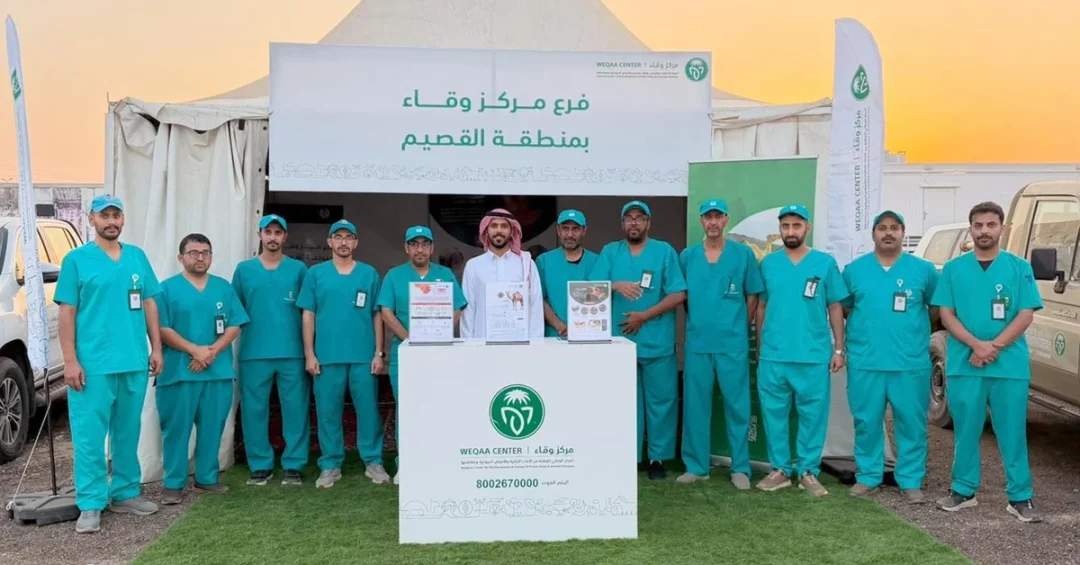
The National Center for the Prevention and Control of Plant Pests and Animal Diseases (Weqaa) in Qassim Region participated in the ninth edition of the annual camel auction, reinforcing its commitment to animal health and disease prevention. The event, held in the Qassim Region, brought together breeders and camel owners for a showcase of livestock and a platform for knowledge exchange on biosecurity and preventive practices.
Context and Background
Weqaa, a government agency under the Ministry of Environment, Water and Agriculture, is tasked with safeguarding animal and plant health across the Kingdom. Its involvement in the annual camel auction aligns with Saudi Arabia’s broader strategy to enhance agricultural sustainability and protect livestock, a vital sector for food security and cultural heritage. The ninth edition of the auction underscores the region’s role as a hub for camel breeding and trade, attracting participants from across the Kingdom.
Key Details
During the event, Weqaa conducted awareness sessions on common animal diseases and effective control methods. The center emphasized the importance of biosecurity measures, such as quarantine protocols, vaccination, and hygiene practices, to reduce the risk of disease transmission among livestock. These efforts are part of Weqaa’s ongoing initiatives to engage directly with breeders and camel owners, providing them with practical guidance and resources.
The participation also highlighted Weqaa’s commitment to supporting livestock-related events, which are essential for the economic and cultural vitality of the region. By fostering direct engagement, Weqaa aims to build trust and ensure that breeders have access to up-to-date information on disease prevention.
Implications and Impact
The involvement of Weqaa in the camel auction has significant implications for animal health in Saudi Arabia. By raising awareness and promoting preventive practices, the center helps mitigate the spread of diseases that could affect livestock productivity and public health. This proactive approach supports the sustainability of the camel industry, which is not only an economic asset but also a symbol of Saudi heritage.
Furthermore, such initiatives contribute to the Kingdom’s food security goals by protecting animal resources. The collaboration between government agencies and local breeders strengthens the overall resilience of the agricultural sector against emerging threats.
Vision 2030 Alignment
This initiative aligns with Saudi Vision 2030’s objectives to diversify the economy and ensure sustainable development. By enhancing animal health and supporting livestock events, Weqaa contributes to the growth of the agricultural sector, a key component of the Vision’s economic diversification strategy. The focus on biosecurity and disease prevention also supports the Vision’s emphasis on health and quality of life for all citizens. As Saudi Arabia continues to modernize and expand its agricultural capabilities, efforts like these will be crucial in achieving long-term prosperity and global leadership in sustainable practices.
20 Questions
Q1. What is Weqaa’s role in Saudi Arabia?
A1. Weqaa is the National Center for the Prevention and Control of Plant Pests and Animal Diseases, responsible for safeguarding animal and plant health, promoting biosecurity, and supporting sustainable agriculture across the Kingdom.
Q2. Where did the ninth annual camel auction take place?
A2. The ninth annual camel auction took place in the Qassim Region of Saudi Arabia, a central area known for its agricultural activities and camel breeding heritage.
Q3. Why did Weqaa participate in the camel auction?
A3. Weqaa participated to raise awareness about animal diseases, promote effective control methods, and emphasize biosecurity measures to protect livestock health and reduce disease transmission risks.
Q4. What are biosecurity measures in animal health?
A4. Biosecurity measures include practices like quarantine, vaccination, disinfection, and controlled movement of animals to prevent the introduction and spread of diseases among livestock.
Q5. How does Weqaa engage with breeders and camel owners?
A5. Weqaa engages through direct outreach at events like the camel auction, providing educational sessions, guidance on disease prevention, and practical resources to enhance animal health management.
Q6. What diseases are common in camels?
A6. Common camel diseases include mange, trypanosomiasis, brucellosis, and respiratory infections. Weqaa focuses on prevention and control to mitigate these threats.
Q7. How does camel breeding contribute to Saudi culture?
A7. Camel breeding is a traditional practice deeply rooted in Saudi heritage, symbolizing wealth, status, and cultural identity. It remains central to desert life and national pride.
Q8. What economic benefits does the camel industry provide?
A8. The camel industry supports livelihoods through meat, milk, wool, and racing, contributing to food security and rural economies, while also attracting tourism and trade.
Q9. How does Weqaa support food security in Saudi Arabia?
A9. By preventing animal diseases and promoting healthy livestock, Weqaa helps ensure a stable supply of animal products, contributing to the Kingdom’s food security objectives.
Q10. What is the significance of the annual camel auction?
A10. The auction serves as a marketplace for breeders to trade camels, showcase bloodlines, and exchange knowledge, while also serving as a platform for health awareness and community engagement.
Q11. How does Weqaa’s work align with Vision 2030?
A11. Weqaa’s efforts support Vision 2030 by enhancing agricultural sustainability, protecting livestock resources, and promoting economic diversification and food security.
Q12. What preventive practices does Weqaa recommend?
A12. Weqaa recommends vaccination, regular health checks, proper nutrition, sanitation, and isolation of sick animals to prevent disease outbreaks.
Q13. How does Weqaa collaborate with other government agencies?
A13. Weqaa works with the Ministry of Environment, Water and Agriculture and other entities to implement national strategies for animal health and plant protection.
Q14. What are the risks of disease transmission at livestock events?
A14. Livestock events can facilitate disease spread through close contact. Weqaa mitigates this by enforcing biosecurity protocols and educating participants on preventive measures.
Q15. How can breeders access Weqaa’s resources?
A15. Breeders can access Weqaa’s resources through its official website, field offices, and participation in events where the center provides direct guidance and materials.
Q16. What is the Qassim Region known for in agriculture?
A16. Qassim is renowned for date palm cultivation, camel breeding, and livestock production, making it a key agricultural hub in Saudi Arabia.
Q17. How does Weqaa measure the success of its awareness campaigns?
A17. Weqaa assesses success through reduced disease incidence, increased adoption of biosecurity practices, and feedback from breeders and stakeholders.
Q18. What role do camels play in Saudi Vision 2030?
A18. Camels are integral to cultural heritage and economic activities. Vision 2030 promotes their sustainable breeding and related industries as part of diversifying income sources.
Q19. How does Weqaa handle disease outbreaks?
A19. Weqaa responds to outbreaks by implementing rapid containment measures, such as quarantine, vaccination, and culling if necessary, in coordination with local authorities.
Q20. What future plans does Weqaa have for livestock health?
A20. Weqaa aims to expand its outreach, enhance digital surveillance systems, and strengthen partnerships to further improve animal health and biosecurity nationwide.
Reader Feedback
We value your thoughts. Please share your feedback on this article.
Your feedback helps us improve our coverage.