


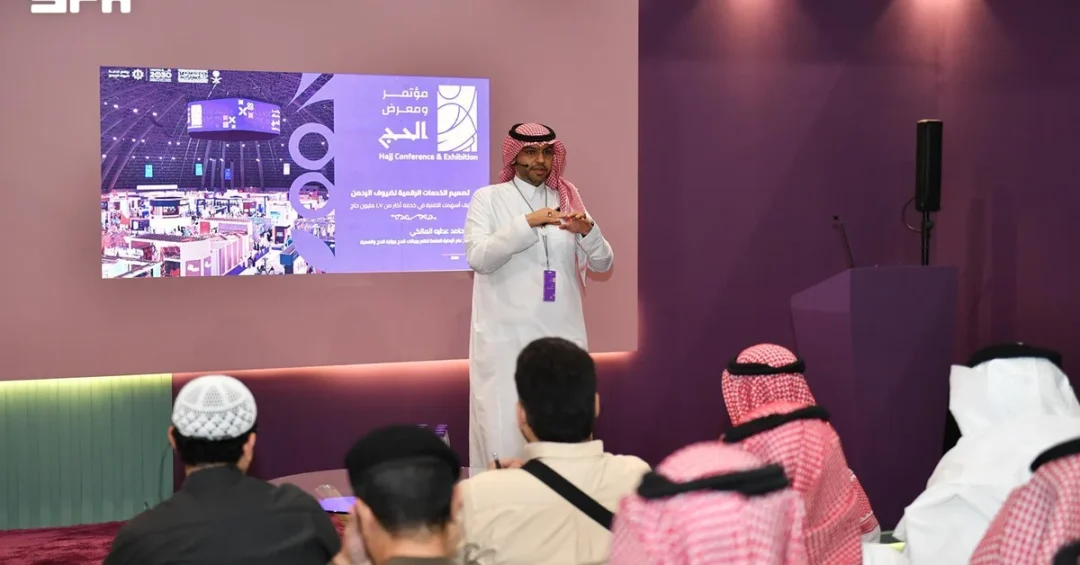
A specialized workshop titled “Designing Digital Services for Pilgrims,” held as part of the Hajj Conference and Exhibition in Jeddah, has underscored the growing importance of user-centered development and clear, efficient technological experiences that facilitate the Hajj journey and enhance the quality of services provided to pilgrims. The session, led by Hamed Almalki, Director General of the General Administration for Hajj Systems and Data at the Ministry of Hajj and Umrah, brought together experts and stakeholders to explore how digital services can be thoughtfully engineered within the wider Hajj ecosystem. The workshop reflects the Kingdom’s sustained commitment to leveraging technology to serve the millions of pilgrims who travel to Saudi Arabia each year.
The gathering formed part of the broader Hajj Conference and Exhibition, a major platform that convenes government agencies, technology providers, and service organizations to discuss innovation across the pilgrimage journey. As the number of pilgrims continues to grow and their expectations for seamless digital interaction rise, the Kingdom has placed the pilgrim experience at the heart of its modernization efforts. Have you ever considered how many individual digital touchpoints a single pilgrim navigates from arrival to departure? The workshop’s focus on interconnected, user-friendly services signals a strategic shift from isolated applications toward a unified digital ecosystem that supports every stage of the journey.
Context and Background
The workshop took place against a backdrop of rapid digital transformation across Saudi Arabia’s public services, driven in large part by the objectives of Vision 2030. The Ministry of Hajj and Umrah has progressively introduced a range of digital platforms designed to streamline visa processing, accommodation booking, transportation, and health guidance for pilgrims. These tools are intended to reduce friction and allow pilgrims to focus on their spiritual journey rather than administrative complexity. Why does this matter for a global audience? Because the Hajj experience touches millions of people from nearly every country, and improvements in service design ripple outward to influence how the world perceives Saudi Arabia’s capacity for hospitality and innovation.
According to information released through official Saudi channels, the workshop explored the design of digital services within the Hajj ecosystem, with Almalki emphasizing the importance of understanding the pilgrim’s journey, identifying specific needs, and translating them into interconnected, user-friendly services. This approach reflects a mature understanding that technology alone is insufficient; services must be designed around the human beings who use them. The Kingdom has increasingly adopted methodologies such as user-experience research and journey mapping to ensure that digital tools genuinely respond to the realities pilgrims face on the ground.
Digital service design is becoming increasingly significant given the diverse segments of pilgrims, who vary widely in language, needs, and the stages of their journey. A first-time pilgrim from Southeast Asia, a repeat visitor from North Africa, and an elderly traveler with limited digital literacy all bring different expectations and requirements. Consequently, prioritizing user experience, simplifying procedures, and ensuring clear, accessible information for pilgrims are essential. How can a single digital framework accommodate such diversity without becoming fragmented or confusing? The answer, as the workshop suggested, lies in thoughtful design principles that center the pilgrim at every decision point.
Key Details
During the session, Almalki outlined a structured approach to designing digital services, beginning with a deep understanding of the pilgrim’s journey. This involves mapping each stage — from initial intention and visa application through arrival, accommodation, rituals, and departure — and identifying the specific needs and pain points that arise at each moment. By translating these insights into interconnected services, the Ministry aims to create a coherent experience in which information flows smoothly and pilgrims are never left uncertain about their next step. Isn’t it remarkable how a well-designed digital service can transform a moment of anxiety into one of confidence?
The workshop also stressed the importance of clear, accessible information. For pilgrims who may not speak Arabic or who are unfamiliar with local procedures, the clarity of digital interfaces can make the difference between a smooth journey and a stressful one. This points to the need for multilingual content, intuitive navigation, and consistent messaging across platforms. The Ministry’s emphasis on user-centered development aligns with global best practices in service design, where iterative testing and feedback loops are used to refine products continuously. Have you wondered how feedback from pilgrims themselves shapes the tools they ultimately use? The Ministry’s approach suggests that direct input from users is a cornerstone of improvement.
Furthermore, the session highlighted the value of integrating disparate systems into a unified digital ecosystem. Rather than offering pilgrims a patchwork of applications, the vision is for services that communicate with one another, reducing duplication and enabling a seamless flow of information. This integration requires close coordination among government agencies, technology partners, and service providers across the Hajj sector. What does such coordination demand in practice? It requires shared standards, interoperable platforms, and a common commitment to the pilgrim’s wellbeing above organizational boundaries.
International and Regional Impact
The workshop’s emphasis on digital service design carries implications that extend well beyond Saudi Arabia’s borders. Pilgrims arrive from more than 180 countries, and the quality of their digital experience influences perceptions of the Kingdom among international audiences, media, and foreign governments. A smooth, well-designed journey reinforces Saudi Arabia’s reputation as a capable and welcoming host, while also demonstrating the Kingdom’s broader technological capabilities. How might these improvements influence the way the world views Saudi Arabia’s modernization agenda? Each positive interaction becomes a data point in the global narrative of a transforming nation.
Regionally, the workshop contributes to a wider conversation among Gulf states about leveraging technology for public service delivery. Saudi Arabia’s approach to the Hajj ecosystem serves as a reference model for large-scale event management and pilgrimage services. Neighboring countries and international organizations have shown interest in the Kingdom’s digital tools and methodologies, recognizing that the challenges of serving diverse populations at scale are shared. Doesn’t it make sense that lessons learned in the crucible of Hajj could inform service design in other contexts? The Kingdom’s willingness to share expertise positions it as a constructive leader in regional technological cooperation.
Economic and Strategic Significance
From an economic standpoint, well-designed digital services contribute to the efficiency of the Hajj sector, which represents a significant component of Saudi Arabia’s travel and hospitality economy. By reducing administrative friction and improving resource allocation, digital tools can help accommodate growing numbers of pilgrims while maintaining service quality. The Ministry’s focus on user-centered design also supports the broader goal of increasing private-sector participation in pilgrimage services, as clearer digital infrastructure lowers barriers for companies seeking to offer innovative solutions. What does this mean for entrepreneurs and technology firms in the Kingdom? It signals a growing market for solutions that enhance the pilgrim experience.
Strategically, the workshop reinforces Saudi Arabia’s position as a global leader in the application of technology to religious tourism. The Kingdom has invested substantially in digital infrastructure, from high-speed connectivity to cloud platforms, that underpins these services. By prioritizing the pilgrim’s journey and translating needs into interconnected services, the Ministry is building a foundation for continuous improvement — one that can adapt to changing demographics and technological advances. How can sustained investment in design translate into lasting returns? The answer lies in the trust and satisfaction of millions of pilgrims who return home as ambassadors of their experience.
Vision 2030 Alignment
The workshop’s themes align closely with the objectives of Vision 2030, Saudi Arabia’s comprehensive roadmap for economic diversification and social transformation. A key pillar of the vision is the enhancement of services for pilgrims, including the ambitious goal of welcoming ever-greater numbers of Umrah and Hajj visitors. By embedding user-centered design into digital services, the Ministry of Hajj and Umrah is translating the vision’s aspirations into tangible improvements that pilgrims can feel. Have you considered how a national vision becomes real in the everyday experience of a traveler? It happens through exactly this kind of deliberate, human-focused service design.
Ultimately, the “Designing Digital Services for Pilgrims” workshop illustrates the Kingdom’s forward-looking approach to honoring its role as custodian of the Two Holy Mosques. Through careful understanding of the pilgrim’s journey, identification of needs, and the creation of interconnected, user-friendly services, Saudi Arabia continues to elevate the quality of hospitality it offers to the world. As digital tools evolve and the Hajj ecosystem grows more sophisticated, the Kingdom’s commitment to the pilgrim experience remains a central thread in its broader journey toward a prosperous and modern future. Isn’t that the essence of a vision that places people at its heart?
20 Questions
Q1. What was the title of the workshop held as part of the Hajj Conference and Exhibition?
A1. The workshop was titled “Designing Digital Services for Pilgrims” and was held as part of the Hajj Conference and Exhibition, focusing on user-centered development and efficient technological experiences for pilgrims.
Q2. Who led the workshop on digital service design?
A2. The workshop was led by Hamed Almalki, Director General of the General Administration for Hajj Systems and Data at the Ministry of Hajj and Umrah, who explored the design of digital services within the Hajj ecosystem.
Q3. Where was the workshop held?
A3. The workshop was held in Jeddah as part of the Hajj Conference and Exhibition, according to information released via the Saudi Press Agency, bringing together experts and stakeholders in the pilgrimage sector.
Q4. What core principle did the workshop emphasize for digital services?
A4. The workshop emphasized user-centered development and clear, efficient technological experiences that facilitate the Hajj journey and enhance the quality of services provided to pilgrims across all stages.
Q5. Why is user experience prioritized in digital service design for pilgrims?
A5. User experience is prioritized because pilgrims vary in language, needs, and the stages of their journey, making simplified procedures and clear, accessible information essential for a smooth and dignified experience.
Q6. What did Almalki say about understanding the pilgrim’s journey?
A6. Almalki emphasized the importance of understanding the pilgrim’s journey, identifying specific needs, and translating them into interconnected, user-friendly services that support pilgrims at every stage.
Q7. How do pilgrims’ needs vary according to the workshop?
A7. Pilgrims vary in language, needs, and the stages of their journey, meaning digital services must accommodate diverse segments, including first-time visitors, repeat pilgrims, and those with limited digital literacy.
Q8. What role does the Ministry of Hajj and Umrah play in this effort?
A8. The Ministry of Hajj and Umrah, through its General Administration for Hajj Systems and Data, leads the design and improvement of digital services to enhance the quality and efficiency of the pilgrim experience.
Q9. Why is digital service design becoming increasingly significant?
A9. Digital service design is increasingly significant given the diversity of pilgrims and the growing scale of the pilgrimage, requiring services that prioritize user experience, simplify procedures, and ensure clear, accessible information.
Q10. What does “interconnected services” mean in the Hajj context?
A10. Interconnected services refer to digital tools that communicate with one another across stages of the pilgrim’s journey, reducing duplication and enabling a seamless flow of information rather than a patchwork of isolated applications.
Q11. How does the workshop relate to Vision 2030?
A11. The workshop aligns with Vision 2030, which seeks to enhance services for pilgrims and welcome growing numbers of visitors, translating the vision’s aspirations into tangible, human-focused digital improvements.
Q12. What information should be clear and accessible to pilgrims?
A12. Pilgrims require clear, accessible information on procedures, accommodation, transportation, and health guidance, ideally delivered through multilingual content and intuitive navigation across digital platforms.
Q13. What is the Hajj Conference and Exhibition?
A13. The Hajj Conference and Exhibition is a major platform that convenes government agencies, technology providers, and service organizations to discuss innovation and improvements across the pilgrimage journey.
Q14. How might digital services improve the pilgrim experience?
A14. Well-designed digital services can reduce administrative friction, guide pilgrims through each stage, and provide confidence and clarity, allowing pilgrims to focus on their spiritual journey rather than logistical complexity.
Q15. What international impact could these improvements have?
A15. Since pilgrims come from more than 180 countries, improved digital services can reinforce Saudi Arabia’s reputation as a capable, welcoming, and technologically advanced host, shaping global perceptions positively.
Q16. What does user-centered development involve?
A16. User-centered development involves understanding the pilgrim’s journey, identifying specific needs, testing services iteratively, and incorporating feedback so that digital tools genuinely respond to the realities pilgrims face.
Q17. Why is multilingual support important in these digital services?
A17. Multilingual support is important because pilgrims arrive from many countries and speak different languages, so clear communication in multiple languages helps prevent confusion and ensures a smooth journey.
Q18. What economic benefits can better digital services bring?
A18. Better digital services can improve efficiency in the Hajj sector, support resource allocation, accommodate growing pilgrim numbers, and lower barriers for private-sector companies offering innovative pilgrimage solutions.
Q19. How does the Kingdom share its expertise regionally?
A19. Saudi Arabia’s approach to the Hajj ecosystem serves as a reference model for large-scale event management, and the Kingdom shares methodologies and tools that inform regional technological cooperation.
Q20. What is the overarching goal of the workshop’s approach?
A20. The overarching goal is to elevate the quality of hospitality offered to pilgrims by creating interconnected, user-friendly digital services that place the pilgrim at the heart of every design decision.
Reader Feedback
We value your thoughts. Please share your feedback on this article.
Your feedback helps us improve our coverage.
Related articles
 GCC Ministers Approve Advanced Unified Military Command in Kuwait
 Hajj Conference Session Highlights Cloud Computing’s Role
 Saudi Cars Syndicate Showcases Smart Fleet Tech at Hajj Conference
 Hajj Pavilion Showcases Smart Pilgrim Tracking Tech
 Saudi Ministry Hosts Academic Course for 400 in Pakistan
 Hajj Conference Workshops Focus on Pilgrim Safety and Emergency Management