


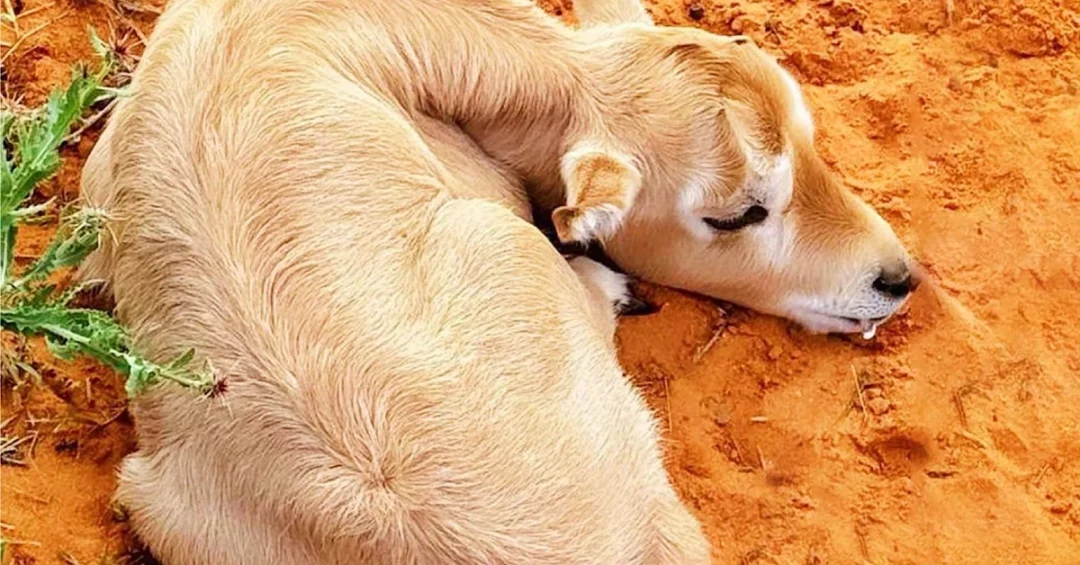
An Arabian oryx calf is thriving in the Taysiyah region of the Imam Turki bin Abdullah Royal Nature Reserve, south of the historic village of Linah, marking a significant milestone in Saudi Arabia’s ongoing efforts to restore ecological balance and biodiversity. The birth and successful rearing of the calf follow the reintroduction of the Arabian oryx to its ancestral habitat, a species that had been absent from the region for decades due to poaching and habitat loss.
Context and Background
The Imam Turki bin Abdullah Royal Nature Reserve, the second-largest in Saudi Arabia, spans 91,500 square kilometers of unique desert environment. It serves as a safe haven for a diverse array of wildlife, including herds of gazelles, Arabian oryx, red-necked ostriches, and numerous native and migratory birds. The reserve’s reintroduction program is part of a broader national strategy to preserve endangered species and promote environmental sustainability.
Key Details
The Arabian oryx, once threatened with extinction, has made a remarkable comeback thanks to conservation efforts. The recent birth of a calf in the Taysiyah region demonstrates the success of these initiatives. The calf’s healthy development is a testament to the reserve’s conducive environment and the dedicated work of conservation teams. The reintroduction program aligns with Saudi Arabia’s commitment to protecting its natural heritage and achieving the goals of Vision 2030.
Implications and Impact
The thriving oryx calf symbolizes hope for biodiversity conservation not only in Saudi Arabia but also globally. The reserve’s success in natural breeding of the Arabian oryx contributes to international efforts to preserve the species. It also enhances the region’s ecological balance, supporting other wildlife and plant life. This achievement reinforces Saudi Arabia’s role as a leader in environmental stewardship and sustainable development.
Vision 2030 Alignment
This conservation milestone directly supports Saudi Vision 2030’s environmental sustainability goals, which aim to protect and preserve the Kingdom’s natural resources. By restoring native species and their habitats, Saudi Arabia is not only enriching its biodiversity but also creating opportunities for eco-tourism and scientific research. The success of the Imam Turki bin Abdullah Royal Nature Reserve exemplifies the Kingdom’s dedication to a greener, more sustainable future.
20 Questions
Q1. What is the significance of the Arabian oryx calf’s birth?
A1. The birth signifies the successful reintroduction of the Arabian oryx to its ancestral habitat, demonstrating the effectiveness of conservation efforts and contributing to ecological balance in the region.
Q2. Where is the Imam Turki bin Abdullah Royal Nature Reserve located?
A2. The reserve is located south of the historic village of Linah in Saudi Arabia, spanning 91,500 square kilometers in the Taysiyah region, and is the second-largest nature reserve in the Kingdom.
Q3. Why were Arabian oryx absent from the region for decades?
A3. Arabian oryx were absent due to poaching and habitat loss, which threatened the species with extinction. Conservation efforts have since reintroduced them to their natural environment.
Q4. What other wildlife can be found in the reserve?
A4. The reserve is home to herds of gazelles, Arabian oryx, red-necked ostriches, and numerous native and migratory birds and animals, creating a rich and diverse ecosystem.
Q5. How does the calf’s thriving reflect on Saudi conservation efforts?
A5. The calf’s healthy development indicates that the reserve provides an ideal environment for the species to breed naturally, validating the Kingdom’s conservation strategies and commitment to biodiversity.
Q6. What is the role of the Imam Turki bin Abdullah Royal Nature Reserve?
A6. The reserve serves as a protected area for wildlife, aiming to restore ecological balance, preserve endangered species, and promote environmental sustainability in line with Saudi Vision 2030.
Q7. How does this conservation success align with Vision 2030?
A7. It supports Vision 2030’s environmental sustainability goals by protecting natural resources, enhancing biodiversity, and creating opportunities for eco-tourism and scientific research.
Q8. What threats did the Arabian oryx face previously?
A8. The Arabian oryx faced poaching and habitat loss, which led to a drastic decline in its population and local extinction in many areas, including the Taysiyah region.
Q9. What measures were taken to reintroduce the Arabian oryx?
A9. Conservation teams implemented breeding programs and habitat restoration, followed by careful reintroduction into protected areas like the Imam Turki bin Abdullah Royal Nature Reserve.
Q10. How does the reserve contribute to global conservation?
A10. The reserve’s success in breeding Arabian oryx contributes to international efforts to preserve the species, serving as a model for wildlife conservation worldwide.
Q11. What makes the Taysiyah region suitable for the Arabian oryx?
A11. The Taysiyah region offers a vast desert environment with adequate food and water sources, and minimal human disturbance, making it an ideal habitat for the Arabian oryx.
Q12. How can the public support conservation efforts?
A12. The public can support by respecting protected areas, participating in eco-tourism responsibly, and spreading awareness about the importance of biodiversity conservation.
Q13. What economic benefits can arise from this conservation success?
A13. It can boost eco-tourism, attract researchers, and create jobs, contributing to the local economy and diversifying revenue sources in line with Vision 2030.
Q14. Are there other similar conservation projects in Saudi Arabia?
A14. Yes, Saudi Arabia has multiple conservation initiatives across its nature reserves, all aimed at protecting wildlife and promoting environmental sustainability.
Q15. How does the reserve ensure the safety of the animals?
A15. The reserve is a protected area with strict regulations against poaching and habitat destruction, and it is monitored by conservation teams to ensure the well-being of wildlife.
Q16. What is the significance of the historic village of Linah?
A16. Linah is a historic village near the reserve, adding cultural and historical value to the region, and its proximity highlights the integration of heritage and conservation.
Q17. How long has the reintroduction program been active?
A17. The reintroduction program has been active for several years, with continuous efforts to restore the Arabian oryx population and monitor their progress in the reserve.
Q18. What role do local communities play in conservation?
A18. Local communities can act as stewards of the environment, supporting conservation by respecting wildlife and participating in sustainable practices that benefit both nature and themselves.
Q19. How does this success impact Saudi Arabia’s international standing?
A19. It enhances Saudi Arabia’s reputation as a leader in environmental conservation and sustainable development, aligning with global efforts to protect biodiversity.
Q20. What future plans exist for the Arabian oryx in the reserve?
A20. Future plans include continued breeding and monitoring, expansion of suitable habitats, and potential reintroduction to other areas, ensuring the species’ long-term survival.
Reader Feedback
We value your thoughts. Please share your feedback on this article.
Your feedback helps us improve our coverage.