


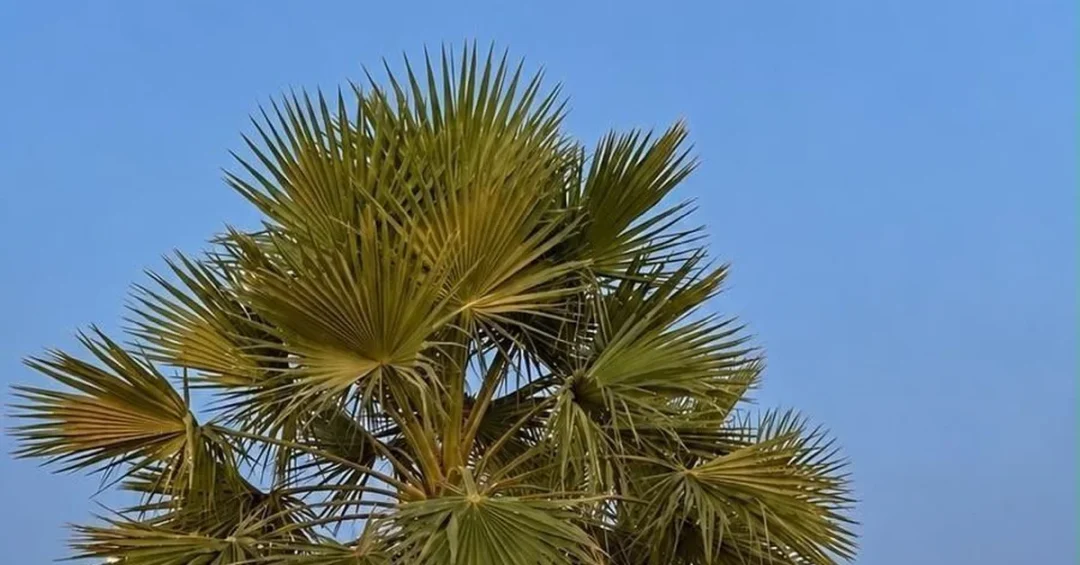
The skies over the Kingdom of Saudi Arabia were illuminated by a full moon marking the month of Rabi Al-Thani, with the lunar body reaching 98.78 percent illumination at a distance of 387,145.29 kilometers from Earth, according to the Space and Astronomy Society. The celestial event, confirmed by official Saudi astronomical authorities, saw the moon rise at sunset and remain visible throughout the night until sunrise the following morning, offering stargazers and astrophotographers across the Kingdom a prime opportunity to observe a scene that blends scientific precision with visual beauty.
The announcement, released through the Saudi Press Agency, underscores the Kingdom’s growing commitment to astronomical research and public engagement with space science. Under the leadership of Custodian of the Two Holy Mosques King Salman bin Abdulaziz Al Saud and His Royal Highness Crown Prince Mohammed bin Salman bin Abdulaziz Al Saud, Saudi Arabia has accelerated investments in scientific infrastructure, educational outreach, and space exploration. The visibility of this monthly lunar phenomenon is more than a visual spectacle; it represents a moment of national pride and scientific curiosity that aligns with the Kingdom’s Vision 2030 objectives to foster innovation and knowledge-based industries. As the moon traversed the Saudi sky, it served as a reminder of the Kingdom’s dual heritage: deeply rooted in tradition yet boldly reaching for the stars.
Context and Background
What makes this particular full moon significant in the Saudi astronomical calendar? The lunar cycle holds profound importance in Islamic tradition, serving as the basis for the Hijri calendar that governs religious observances, including the start of Ramadan, Eid celebrations, and the timing of Hajj. The month of Rabi Al-Thani, the fourth month of the Islamic lunar calendar, follows Rabi Al-Awwal and precedes Jumada Al-Awwal. The full moon phase, known as Badr in Arabic, has historically guided travelers, farmers, and pilgrims across the Arabian Peninsula. In modern Saudi Arabia, this celestial event is meticulously tracked by the Space and Astronomy Society, which provides precise data to both the public and official religious authorities.
The Space and Astronomy Society, a recognized Saudi scientific body, plays a critical role in monitoring lunar phases and disseminating accurate information. Zahi Al-Khlaiwi, Head of the Society, explained that the moon reached full phase with 98.78 percent illumination at a distance of 387,145.29 kilometers from Earth. By the end of the day, the illumination increased to 99.42 percent as the moon moved closer to 385,598.67 kilometers. These precise measurements reflect the Kingdom’s investment in astronomical observation and its dedication to scientific accuracy. Isn’t it remarkable how a phenomenon visible to the naked eye can also be measured with such exactness? This duality of accessible wonder and rigorous science is what makes astronomy a gateway for public engagement.
Saudi Arabia’s geographical position offers unique advantages for astronomical observation. The Kingdom’s vast deserts, clear skies, and low light pollution in regions such as Turaif, Al-Ula, and the Empty Quarter provide ideal conditions for stargazing. The Saudi Press Agency reported the event from Turaif, a city in the Northern Borders Province known for its historical significance and proximity to ancient trade routes. This location, combined with modern scientific institutions, positions Saudi Arabia as a rising hub for astronomical research in the Middle East. The full moon is not merely a monthly occurrence; it is a recurring invitation for citizens and residents to reconnect with the cosmos and appreciate the natural wonders that have guided humanity for millennia.
Key Details
How exactly did the full moon manifest across the Kingdom, and what did observers witness? According to the Space and Astronomy Society, the moon rose at sunset and remained visible throughout the night until sunrise. At its peak, the lunar disk appeared 98.78 percent illuminated, with the remaining fraction representing the slight shadow that distinguishes a full moon from a perfectly aligned syzygy. The moon’s distance from Earth, 387,145.29 kilometers, is relatively close in astronomical terms, contributing to a slightly larger and brighter appearance. By the end of the day, the moon had moved to 385,598.67 kilometers, with illumination rising to 99.42 percent. These variations are caused by the moon’s elliptical orbit, which brings it closer to and farther from Earth at different points in its cycle.
Zahi Al-Khlaiwi emphasized that this monthly event is visible to the naked eye, making it accessible to all residents regardless of their equipment. This inclusivity is a hallmark of Saudi Arabia’s approach to science communication: ensuring that knowledge is not confined to laboratories but shared with the public. Stargazers and astrophotographers across the Kingdom seized the opportunity to capture the moon’s brilliance. From the rugged landscapes of Turaif to the modern skylines of Riyadh and Jeddah, the full moon provided a unifying backdrop. Isn’t it fascinating that a single celestial body can connect millions of people across a vast nation? The event also served as an educational moment, with schools and astronomy clubs likely organizing viewing sessions to inspire the next generation of Saudi scientists and engineers.
The precise data released by the Space and Astronomy Society reflects the Kingdom’s commitment to scientific transparency and accuracy. The Society, which operates under the umbrella of official Saudi scientific channels, regularly publishes lunar and solar data to assist with religious calendaring, agricultural planning, and public education. The full moon of Rabi Al-Thani is one of twelve full moons that occur each year, but each carries its own unique characteristics in terms of distance, illumination, and position in the sky. This particular event was notable for its high illumination percentage and relatively close distance, making it a standout observation opportunity. The Saudi Press Agency’s coverage ensured that the information reached a wide audience, reinforcing the role of state media in disseminating verified scientific knowledge.
International and Regional Impact
How does Saudi Arabia’s astronomical observation resonate beyond its borders? The Kingdom’s leadership in lunar tracking has regional implications, particularly for Islamic countries that rely on moon sightings to determine religious dates. The Space and Astronomy Society’s data is often referenced by neighboring Gulf states and broader Muslim communities. By providing accurate, timely information, Saudi Arabia reinforces its position as a trusted authority in both scientific and religious matters. The full moon of Rabi Al-Thani, while a monthly occurrence, contributes to the cumulative body of observations that help predict future lunar phases with greater precision. This scientific diplomacy enhances the Kingdom’s soft power and strengthens ties with international astronomical organizations.
On the global stage, Saudi Arabia’s investments in space science are gaining recognition. The Kingdom has established partnerships with space agencies and research institutions worldwide, and Saudi astronauts have participated in missions to the International Space Station. The full moon event, though local in its visibility, is part of a broader narrative of Saudi Arabia’s ascent in the field of astronomy and space exploration. International observers note that the Kingdom’s clear skies and strategic location make it an attractive destination for astronomical research and astrotourism. Isn’t it compelling that a nation known for its energy exports is also becoming a destination for stargazers? This diversification of national identity aligns with Vision 2030’s goal to develop new sectors and promote cultural and scientific tourism. The full moon serves as a celestial ambassador, drawing attention to Saudi Arabia’s natural and scientific assets.
Economic and Strategic Significance
What economic opportunities arise from Saudi Arabia’s astronomical events and dark-sky locations? The growing field of astrotourism is gaining traction globally, and Saudi Arabia is well-positioned to capitalize on it. Regions such as Al-Ula, with its UNESCO World Heritage sites, and the Northern Borders Province, including Turaif, offer pristine night skies that attract photographers, astronomers, and adventure travelers. The full moon of Rabi Al-Thani, while not a dark-sky event, highlights the regular celestial activity that can be marketed to tourists. The Saudi Tourism Authority, under the Ministry of Tourism, has been promoting heritage and nature tourism, and astronomical events add a unique dimension. By integrating stargazing into tourism packages, the Kingdom can attract visitors during shoulder seasons and diversify its tourism offerings beyond religious and cultural sites.
Strategically, the development of a robust astronomy sector supports Saudi Arabia’s ambitions in space technology and innovation. The Space and Astronomy Society’s work is complemented by national initiatives such as the Saudi Space Commission, which was established to regulate and develop the space industry. These efforts are part of a broader push to create high-skilled jobs, foster research and development, and build a knowledge economy. The full moon event, though simple, is a reminder of the foundational science that underpins more complex space endeavors. Isn’t it logical that a nation aiming to send astronauts and satellites into space would also invest in understanding the moon’s cycles? The precise measurements provided by Al-Khlaiwi and his team demonstrate the technical capabilities that Saudi Arabia is cultivating. As the Kingdom continues to expand its space portfolio, such routine observations become building blocks for larger achievements.
Vision 2030 Alignment
How does a full moon align with Saudi Arabia’s Vision 2030? At first glance, a lunar phase may seem disconnected from economic reform and social transformation. However, Vision 2030 is fundamentally about harnessing knowledge, fostering curiosity, and improving quality of life. The full moon event, made accessible to the public through official channels, promotes scientific literacy and community engagement. It encourages families to step outside, observe the sky, and discuss the wonders of the universe. These moments of shared wonder contribute to the Vision’s goal of a vibrant society, where citizens enjoy a high quality of life and diverse recreational opportunities. The Space and Astronomy Society’s outreach efforts exemplify the Vision’s emphasis on education and lifelong learning.
Moreover, the event showcases the Kingdom’s ability to combine tradition with modernity. The lunar calendar remains central to Islamic practice, and Saudi Arabia’s role as the custodian of the Two Holy Mosques gives it a unique responsibility to track celestial bodies accurately. By investing in modern astronomical tools and sharing data transparently, the Kingdom honors its religious heritage while embracing scientific progress. The full moon of Rabi Al-Thani is thus a symbol of Saudi Arabia’s balanced approach: rooted in faith, guided by knowledge, and reaching for the future. As the moon continues its monthly journey across Saudi skies, it illuminates not only the desert landscapes but also the path toward a diversified, innovative, and globally engaged Kingdom. The next full moon will come, and with it, new opportunities for discovery and national pride.
20 Questions
Q1. What was the illumination percentage of the full moon over Saudi Arabia?
A1. The moon reached full phase with 98.78 percent illumination at a distance of 387,145.29 kilometers from Earth, according to the Space and Astronomy Society.
Q2. Who is the head of the Space and Astronomy Society that provided the data?
A2. Zahi Al-Khlaiwi, Head of the Space and Astronomy Society, provided the detailed measurements and commentary on the full moon event.
Q3. When did the full moon rise and set in Saudi Arabia?
A3. The moon rose at sunset and remained visible throughout the night until sunrise the following morning, offering ample viewing time.
Q4. What is the significance of the month of Rabi Al-Thani in the Islamic calendar?
A4. Rabi Al-Thani is the fourth month of the Hijri calendar, following Rabi Al-Awwal, and is significant for lunar observations that guide religious and agricultural planning.
Q5. How did the moon’s distance change by the end of the day?
A5. By the end of the day, the moon moved closer to 385,598.67 kilometers from Earth, with illumination increasing to 99.42 percent.
Q6. Was the full moon visible to the naked eye?
A6. Yes, Zahi Al-Khlaiwi confirmed that this monthly event is visible to the naked eye, allowing stargazers and astrophotographers to observe it easily.
Q7. Which Saudi city was the observation reported from?
A7. The Saudi Press Agency reported the event from Turaif, a city in the Northern Borders Province known for its clear skies and historical significance.
Q8. What role does the Space and Astronomy Society play in Saudi Arabia?
A8. The Society monitors lunar phases, provides precise astronomical data, and disseminates accurate information to the public and official religious authorities.
Q9. How does the full moon support Islamic religious observances?
A9. The lunar cycle determines the Hijri calendar, which sets the dates for Ramadan, Eid, and Hajj, making accurate moon tracking essential for religious practice.
Q10. What opportunities does the full moon offer for astrophotographers?
A10. The high illumination and visibility provide a prime opportunity for astrophotographers to capture detailed images of the lunar surface and the night sky.
Q11. How does Saudi Arabia’s geography enhance astronomical observation?
A11. The Kingdom’s vast deserts, clear skies, and low light pollution in regions like Turaif and Al-Ula provide ideal conditions for stargazing and research.
Q12. What is the economic potential of astrotourism in Saudi Arabia?
A12. Astrotourism can attract photographers, astronomers, and adventure travelers to regions like Al-Ula and the Northern Borders, diversifying tourism offerings.
Q13. How does the full moon event align with Vision 2030?
A13. It promotes scientific literacy, community engagement, and quality of life, aligning with Vision 2030’s goals for a vibrant society and knowledge-based economy.
Q14. What other Saudi initiatives support space science?
A14. The Saudi Space Commission regulates and develops the space industry, complementing the Space and Astronomy Society’s work and fostering innovation.
Q15. Why is the moon’s elliptical orbit important for distance variations?
A15. The elliptical orbit causes the moon to move closer and farther from Earth, explaining the changing distance and illumination percentages during the full phase.
Q16. How does the Saudi Press Agency contribute to science communication?
A16. The Saudi Press Agency disseminates verified scientific information from official sources, ensuring the public receives accurate and timely updates on astronomical events.
Q17. What educational benefits arise from public lunar observations?
A17. They inspire students, encourage curiosity in STEM fields, and provide practical examples of astronomy, supporting Saudi Arabia’s educational goals.
Q18. How does the full moon connect Saudi Arabia to the broader Islamic world?
A18. Saudi Arabia’s lunar data is referenced by other Islamic countries for religious calendaring, reinforcing the Kingdom’s role as a trusted authority.
Q19. What makes the Turaif location significant for astronomical reporting?
A19. Turaif’s clear desert skies and low light pollution make it an excellent location for observing celestial events, as demonstrated by this full moon report.
Q20. What can we expect from future lunar observations in Saudi Arabia?
A20. Continued investment in astronomy and space science will yield more precise data, public engagement opportunities, and advancements aligned with Vision 2030.
Reader Feedback
We value your thoughts. Please share your feedback on this article.
Your feedback helps us improve our coverage.
Related articles
 Jeddah Astronomy Society announces last quarter moon observation
 Saudi skies witness last quarter moon of Safar 1448 AH
 Sirius star observed in Rafha skies
 Al-Summan Sinkholes study featured in INSO 2026
 SDAIA AI Creativity Bootcamp for Saudi Content Creators
 SDAIA Launches Data and AI Training Standards Framework