



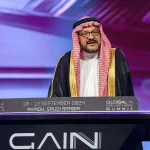
At the Global AI Summit (GAIN Summit) held in Riyadh, leaders from the consulting sector specializing in artificial intelligence underscored that AI innovations extend beyond technical realms to influence geopolitics, policies, and legislation. They emphasized the need to align AI developments with sustainable development goals and equality in education during a panel discussion titled “Advancing International AI Goals: The Vital Role of the UNESCO Category 2 Centers.” The summit, which took place on September 10, 2024, highlighted global and regional efforts in AI training and capacity-building, as reported by the Saudi Press Agency (SPA).
Context and Background
The GAIN Summit, hosted in Riyadh, serves as a pivotal platform for international dialogue on artificial intelligence, bringing together experts, policymakers, and industry leaders to shape the future of AI in line with global challenges. The panel discussion focused on the role of UNESCO Category 2 Centers, which are institutions that support UNESCO’s objectives through capacity-building, research, and knowledge sharing. These centers are instrumental in fostering international cooperation and ensuring that AI advancements contribute to sustainable development, particularly in education and equality. The summit reflects Saudi Arabia’s commitment to leading in AI governance and innovation, aligning with its Vision 2030 goals to diversify the economy and enhance global partnerships.
Key Details
During the panel, speakers stressed that AI knowledge and innovations are not confined to technical domains but have significant implications for geopolitics, policy-making, and legislative frameworks. They called for aligning AI developments with sustainable development goals, emphasizing the importance of equality in education to bridge digital divides. The discussion highlighted global and regional efforts in AI training and capacity-building, showcasing how UNESCO Category 2 Centers facilitate international collaboration. The summit underscored Saudi Arabia’s proactive role in hosting such dialogues, reinforcing its position as a hub for AI thought leadership and innovation.
Implications and Impact
The insights from the GAIN Summit have far-reaching implications for the international community, as they advocate for a holistic approach to AI that integrates ethical, social, and economic considerations. By focusing on capacity-building and education, the discussions aim to ensure that AI benefits are equitably distributed, particularly in developing regions. Saudi Arabia’s leadership in this area not only enhances its global standing but also contributes to setting international standards for AI governance. The emphasis on aligning AI with sustainable development goals resonates with global efforts to harness technology for the greater good, positioning the Kingdom as a key player in shaping the future of AI on the world stage.
Vision 2030 Alignment
Saudi Arabia’s Vision 2030 is centered on economic diversification, technological advancement, and global engagement. The GAIN Summit and its focus on international AI goals directly support these objectives by fostering innovation, enhancing human capital, and promoting sustainable development. Through such initiatives, the Kingdom reinforces its commitment to leading in AI and digital transformation, creating opportunities for collaboration and growth that benefit both the region and the world. As Saudi Arabia continues to invest in AI and education, it moves closer to realizing its vision of a knowledge-based economy and a prominent role in global AI governance.
20 Questions
Q1. What was the main focus of the GAIN Summit panel discussion?
A1. The panel focused on advancing international AI goals, emphasizing the vital role of UNESCO Category 2 Centers in AI training and capacity-building, and aligning AI with sustainable development and education equality.
Q2. Where and when did the GAIN Summit take place?
A2. The GAIN Summit was held in Riyadh on September 10, 2024, bringing together global leaders to discuss AI innovations and their implications.
Q3. What did consulting sector leaders emphasize about AI innovations?
A3. They emphasized that AI innovations extend beyond technical realms to influence geopolitics, policies, and legislation, and must align with sustainable development goals.
Q4. What are UNESCO Category 2 Centers?
A4. UNESCO Category 2 Centers are institutions that support UNESCO’s objectives through capacity-building, research, and knowledge sharing, fostering international cooperation in fields like AI.
Q5. Why is equality in education important for AI development?
A5. Equality in education ensures that AI benefits are equitably distributed, bridging digital divides and empowering all regions to participate in the AI-driven future.
Q6. How does Saudi Arabia benefit from hosting the GAIN Summit?
A6. Hosting the summit reinforces Saudi Arabia’s position as a hub for AI thought leadership, enhances its global standing, and supports its Vision 2030 goals of economic diversification.
Q7. What role do UNESCO Category 2 Centers play in AI?
A7. They facilitate international collaboration, provide training, and build capacity to ensure AI advancements contribute to sustainable development and global equality.
Q8. How does AI impact geopolitics?
A8. AI influences geopolitics by shaping economic power, security dynamics, and international policies, requiring coordinated governance and ethical frameworks.
Q9. What sustainable development goals are linked to AI?
A9. AI aligns with goals such as quality education, reduced inequalities, and industry innovation, promoting inclusive and sustainable growth worldwide.
Q10. What was the title of the panel discussion?
A10. The panel was titled “Advancing International AI Goals: The Vital Role of the UNESCO Category 2 Centers.”
Q11. Who reported on the GAIN Summit panel?
A11. The Saudi Press Agency (SPA) reported on the panel discussion, highlighting key insights from consulting sector leaders.
Q12. What are the implications of AI for legislation?
A12. AI necessitates new legislative frameworks to address ethical, privacy, and security concerns, ensuring responsible development and use.
Q13. How can AI training and capacity-building be improved globally?
A13. Through international cooperation, increased investment in education, and sharing best practices via platforms like UNESCO Category 2 Centers.
Q14. What is Saudi Arabia’s Vision 2030?
A14. Vision 2030 is Saudi Arabia’s strategic plan to diversify its economy, reduce dependence on oil, and develop public sectors like health, education, and technology.
Q15. How does the GAIN Summit support Vision 2030?
A15. It supports Vision 2030 by fostering innovation, enhancing human capital, and promoting global engagement in AI and digital transformation.
Q16. What are the key takeaways from the panel discussion?
A16. Key takeaways include the need for holistic AI governance, alignment with sustainable development, and the crucial role of education and international cooperation.
Q17. Why is international cooperation important in AI?
A17. International cooperation ensures that AI benefits are shared equitably, addresses global challenges, and prevents fragmentation of standards and policies.
Q18. How does AI contribute to sustainable development?
A18. AI can optimize resource use, improve healthcare and education, and drive economic growth, contributing to multiple sustainable development goals.
Q19. What future steps are expected after the GAIN Summit?
A19. Expected steps include enhanced collaboration among UNESCO Category 2 Centers, policy development, and increased investment in AI education and training.
Q20. How does Saudi Arabia’s leadership in AI benefit the region?
A20. It positions the region as a leader in AI innovation, attracts investment, creates jobs, and fosters a knowledge-based economy, benefiting the broader Middle East.
Reader Feedback
We value your thoughts. Please share your feedback on this article.
Your feedback helps us improve our coverage.
Related articles
 Aramco Unveils New Initiatives to Drive Digital Development
 THIQAH and KAUST Sign Strategic Tech Partnership
 DCO Launches GenAI Center of Excellence Led by Saudi Arabia
 Saudi CST Governor Highlights Space Economy Role at Geneva Forum
 Saudi Arabia Leads Global AI Ethics and Governance, Minister Says
 SDAIA CEO Highlights Saudi Leadership in AI Governance