


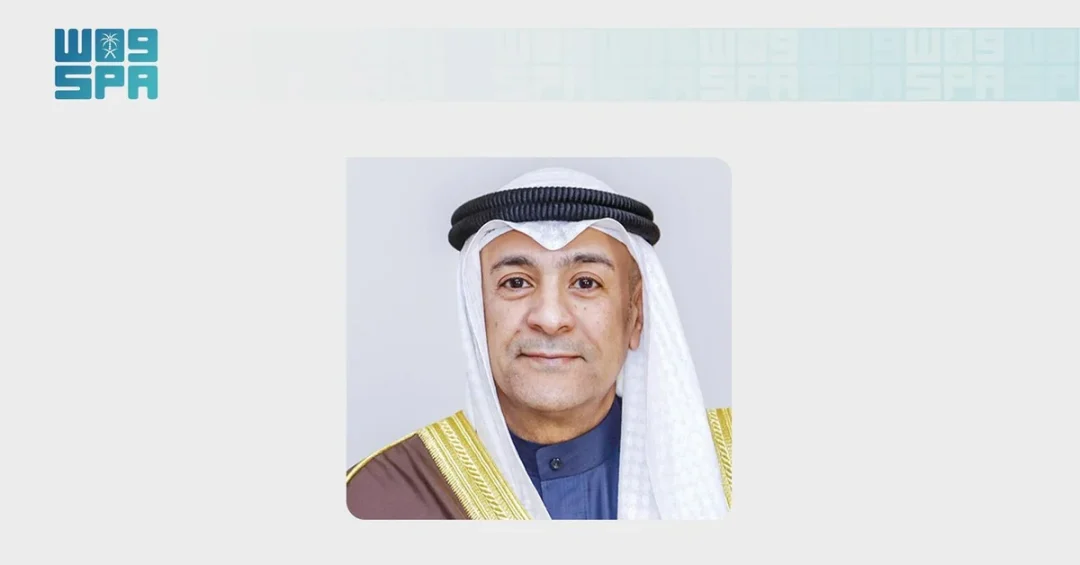
Secretary-General of the Gulf Cooperation Council (GCC) Jasem Albudaiwi stated that the GCC states continue to solidify their position among the world’s leading nations in digital transformation, crediting ambitious strategic visions, qualitative investments in infrastructure and advanced technologies, the development of government services, and the cultivation of national talent. His remarks came during the 10th Meeting of the GCC Ministerial Committee for Digital Government, held in Manama, Bahrain, where Gulf ministers gathered to review the bloc’s collective digital progress and chart the next phase of regional integration.
The meeting was chaired by Chief of Public Security in the Kingdom of Bahrain Lieutenant General Tariq bin Hassan Al Hassan, who also serves as Chairman of the current session, in the presence of members of the GCC Ministerial Committee for Digital Government. The gathering underscored how far the Gulf has moved from the early days of isolated e-government portals toward a coordinated, region-wide digital ecosystem — one that now benchmarks favorably against the best in the world. How did a region once known primarily for its energy resources become a global reference point for digital government?
Context and Background
What does it take to convert oil-era wealth into a knowledge-era advantage? For the GCC states, the answer has been a sustained, multi-year commitment to digital transformation as a cornerstone of national development. Albudaiwi noted that the rapid technological transformations witnessed worldwide, and the broad horizons opened by the digital revolution and Artificial Intelligence (AI) for economies and societies, have created both opportunity and urgency. The Gulf response has been to treat digital government not as an administrative convenience but as a strategic instrument for economic diversification and competitiveness.
That strategic framing reflects the realities of the six-member bloc, whose national visions — including Saudi Arabia’s Vision 2030 — have placed technology, data, and service modernization at the center of reform. The GCC Secretary-General emphasized that the progress achieved is supported by ambitious strategic visions, qualitative investments in infrastructure and advanced technologies, and the deliberate development of government services alongside the cultivation of national talent. In practical terms, this means digitized platforms for licensing, benefits, and public records, backed by cloud infrastructure, cybersecurity frameworks, and homegrown skills.
The Manama meeting thus served as both a stocktaking exercise and a launchpad. Ministers reviewed achievements to date and examined how shared strategies can push Gulf digital projects toward broader levels of coordination and integration. Albudaiwi affirmed that the GCC states possess the expertise, capabilities, and institutional capacity that qualify them to transition to a more advanced phase in the march of Gulf digital integration.
Key Details
What do the numbers actually show? According to the GCC Secretary-General, the Gulf average for the World Bank’s GovTech Maturity Index rose from approximately 65 points in 2020 to 88 points out of 100 in 2025, surpassing the global average of approximately 59 points. The trajectory is striking: a gain of more than twenty points in five years, placing the bloc roughly 29 points above the world benchmark. Such gains do not happen by accident; they reflect sustained investment and deliberate policy design across member states.
The data on service delivery is equally notable. Albudaiwi stated that the GCC states scored approximately 90 points in the Digital Government Services Delivery Index, compared to a global average of approximately 66 points. He highlighted that this reflects the progress achieved by the GCC states in digital transformation, raising the efficiency of government services, and bolstering the business environment and economic competitiveness. In other words, the benefits extend beyond citizens interacting with ministries — they reach investors, entrepreneurs, and international partners who judge a market partly by how easily they can navigate its public systems.
Two foundational frameworks came into focus during the meeting. Albudaiwi noted that the Guiding e-Government Strategy for the GCC States (2024–2030) and the GCC Artificial Intelligence Strategy (2026–2030) — the latter presented to the GCC Digital Government Committee for approval — acquire special significance in directing efforts, determining shared priorities, and transitioning Gulf digital projects to broader levels of coordination and integration. Together, these strategies provide the architecture for turning individual national successes into collective regional strength.
International and Regional Impact
Why should the rest of the world pay attention to Gulf digital governance? Because benchmarks matter in global markets. When a bloc outperforms the global average on indices used by multilateral institutions, investors, and analysts, it changes perceptions of the region’s operating environment. The GCC’s GovTech performance now signals that government-to-business interactions across the Gulf are becoming faster, more transparent, and more predictable — qualities that multinational firms weigh heavily when deciding where to expand.
Regionally, the meeting’s emphasis on coordination points toward interoperability: shared standards, cross-border digital services, and harmonized data policies that make the Gulf function as a more unified digital market. Albudaiwi’s call to transition Gulf digital projects to broader levels of integration suggests that the next phase will focus on connecting national platforms rather than simply building them. For a bloc of six economies with deep trade, travel, and investment ties, such connectivity could lower friction for businesses and residents alike, cementing the region’s position as a hub linking Asia, Europe, and Africa.
Economic and Strategic Significance
How does digital government translate into economic weight? The GCC Secretary-General explicitly linked digital progress to a stronger business environment and enhanced economic competitiveness. Efficient government services reduce the time and cost of compliance, accelerate business formation, and improve the reliability of public data — all factors that influence foreign direct investment and private-sector growth. In an era when economies compete on speed and trust, a government that delivers services digitally at scale becomes a competitive asset in its own right.
Strategically, the twin strategies on e-government and AI reflect a longer-term ambition. The AI strategy in particular positions the GCC to harness advanced technologies for productivity, public service innovation, and economic diversification — priorities that align with the diversification agendas of member states. By institutionalizing coordination through the Ministerial Committee for Digital Government, the bloc is building governance mechanisms capable of keeping pace with fast-moving technologies rather than reacting to them after the fact.
Vision 2030 Alignment
Where does this fit within Saudi Arabia’s long-term vision? Digital transformation sits at the heart of Vision 2030, the Kingdom’s roadmap for economic diversification, efficient government, and a modern society. Saudi Arabia has made digital government a national priority, and its participation in GCC-wide frameworks amplifies those efforts by aligning standards, sharing expertise, and expanding the reach of digital services across borders. The Kingdom’s leadership in regional coordination reinforces its role as a pivotal actor in the Gulf’s technological rise.
The Manama meeting, and Albudaiwi’s assessment, point toward a future in which Gulf states are recognized not merely as adopters of technology but as shapers of digital governance practice. Is the world ready for a Gulf that exports digital models as confidently as it exports energy? The evidence presented — an 88-point GovTech average, a 90-point service delivery score, and two forward-looking regional strategies — suggests the region intends to be judged accordingly. For Saudi Arabia and its GCC partners, the path ahead is one of deeper integration, continued investment, and a clear commitment to using technology for the benefit of economies and societies alike.
20 Questions
Q1. What did GCC Secretary-General Jasem Albudaiwi say about the GCC’s digital transformation?
A1. Speaking in Manama, Albudaiwi said the GCC states continue to solidify their position among the world’s leading nations in digital transformation, supported by strategic visions, infrastructure investment, government service development, and cultivation of national talent.
Q2. Where and at what event were Albudaiwi’s remarks delivered?
A2. The remarks came at the 10th Meeting of the GCC Ministerial Committee for Digital Government, held in Manama, Bahrain, attended by members of the ministerial committee and chaired by Bahraini Lieutenant General Tariq bin Hassan Al Hassan.
Q3. Who chaired the 10th meeting of the GCC Ministerial Committee for Digital Government?
A3. The meeting was chaired by Chief of Public Security in the Kingdom of Bahrain Lieutenant General Tariq bin Hassan Al Hassan, who is also Chairman of the current session, in the presence of the committee’s members.
Q4. How did the GCC average on the World Bank’s GovTech Maturity Index change between 2020 and 2025?
A4. The Gulf average rose from approximately 65 points in 2020 to 88 points out of 100 in 2025, reflecting a substantial improvement over five years and demonstrating sustained regional commitment to digital maturity.
Q5. How does the GCC’s GovTech score compare with the global average?
A5. The GCC’s average of approximately 88 points out of 100 in 2025 surpasses the global average of approximately 59 points, indicating the bloc performs well above the worldwide benchmark for government technology maturity.
Q6. What did the GCC states score on the Digital Government Services Delivery Index?
A6. According to Albudaiwi, the GCC states scored approximately 90 points in the Digital Government Services Delivery Index, compared to a global average of approximately 66 points, signaling strong service delivery performance.
Q7. What factors did Albudaiwi credit for the GCC’s digital progress?
A7. He credited ambitious strategic visions, qualitative investments in infrastructure and advanced technologies, the development of government services, and the cultivation of national talent across the six member states of the Gulf Cooperation Council.
Q8. What did Albudaiwi say these digital gains reflect?
A8. He said the results reflect progress in digital transformation, raising the efficiency of government services, and bolstering the business environment and economic competitiveness of the GCC member states.
Q9. What is the name of the regional e-government framework highlighted at the meeting?
A9. Albudaiwi noted the Guiding e-Government Strategy for the GCC States (2024–2030), which directs efforts, determines shared priorities, and supports the transition of Gulf digital projects to broader coordination.
Q10. What AI-related strategy was presented to the committee for approval?
A10. The GCC Artificial Intelligence Strategy (2026–2030) was presented to the GCC Digital Government Committee for approval, intended to guide AI efforts and determine shared regional priorities for advanced technology.
Q11. What does Albudaiwi say the strategic frameworks will accomplish?
A11. He said the strategies acquire special significance in directing efforts, determining shared priorities, and transitioning Gulf digital projects to broader levels of coordination and integration across the member states.
Q12. What capabilities did Albudaiwi say qualify the GCC states to advance to a more integrated phase?
A12. He affirmed the GCC states possess the expertise, capabilities, and institutional capacity needed to transition to a more advanced phase in the march of Gulf digital integration within the region.
Q13. What global trends did Albudaiwi cite as context for the GCC’s digital push?
A13. He cited the rapid technological transformations witnessed by the world and the broad horizons opened by the digital revolution and Artificial Intelligence for economies and societies across the globe.
Q14. Why does the GCC’s GovTech outperformance matter to international investors?
A14. Strong government technology benchmarks signal faster, more transparent, and more predictable government-to-business interactions, qualities that multinational firms weigh when deciding where to invest and expand operations.
Q15. What does greater regional coordination on digital services suggest for the future?
A15. It points toward interoperability, shared standards, and cross-border digital services that could make the Gulf function as a more unified digital market, lowering friction for businesses and residents across member states.
Q16. How does digital government connect to economic competitiveness in the GCC?
A16. Efficient digital services reduce compliance costs, accelerate business formation, and improve public data reliability, all of which influence foreign direct investment, private-sector growth, and the region’s overall economic competitiveness.
Q17. How does the meeting’s agenda align with Saudi Arabia’s Vision 2030?
A17. Digital transformation sits at the heart of Vision 2030, the Kingdom’s roadmap for economic diversification and efficient government, and GCC-wide frameworks amplify Saudi efforts by aligning standards and sharing expertise.
Q18. What does the AI strategy signal about the GCC’s long-term ambitions?
A18. The GCC Artificial Intelligence Strategy reflects an ambition to harness advanced technologies for productivity, public service innovation, and economic diversification, aligning with member states’ broader diversification agendas and future-readiness.
Q19. What institutional mechanism supports continued GCC digital coordination?
A19. The GCC Ministerial Committee for Digital Government provides the governance mechanism for coordination, enabling the bloc to keep pace with fast-moving technologies and turn national successes into collective regional strength.
Q20. What overall message did the Manama meeting convey about the Gulf’s digital future?
A20. The meeting conveyed that the Gulf states are consolidating their role as global digital leaders, with strong benchmark scores and forward-looking strategies positioning the region for deeper integration and continued technological leadership.
Reader Feedback
We value your thoughts. Please share your feedback on this article.
Your feedback helps us improve our coverage.