


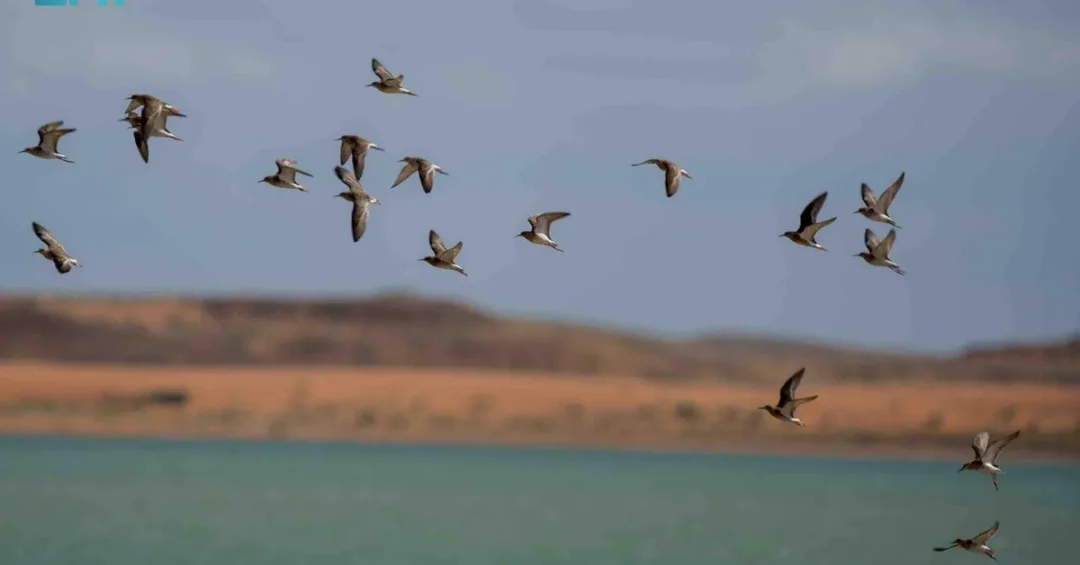
The King Salman Bin Abdulaziz Royal Reserve Development Authority has documented more than 290 bird species within its boundaries, including 26 species listed as globally threatened, reaffirming the reserve’s status as a critical sanctuary for avian biodiversity in the region. This announcement, released via the Saudi Press Agency (SPA), underscores the Kingdom’s commitment to environmental conservation and the protection of endangered wildlife. The reserve serves as a vital stopover for migratory birds traveling between Asia, Europe, and Africa, and its diverse ecosystems provide essential habitats for both resident and migratory species.
Have you ever wondered how a single protected area can support nearly 300 bird species? The King Salman Bin Abdulaziz Royal Reserve, one of Saudi Arabia’s largest protected areas, has emerged as a linchpin for bird conservation in the Middle East. According to recent data, 88% of the bird species recorded in the reserve are migratory, passing through during seasonal journeys, while 12% are resident species. These figures represent 58% of all bird species recorded in Saudi Arabia, highlighting the reserve’s exceptional ecological importance. The presence of 26 globally threatened species further emphasizes the urgent need for continued conservation efforts and monitoring programs.
Context and Background
What makes the King Salman Bin Abdulaziz Royal Reserve such a magnet for migratory birds? Established as part of Saudi Arabia’s broader environmental protection strategy, the reserve spans a vast area characterized by diverse terrains, including deserts, mountains, and wetlands. This mosaic of habitats creates a balanced environment that attracts a wide array of bird species. The reserve’s location along major migratory routes—between Asia and Europe in autumn and Africa in spring—positions it as a critical refueling and resting point. The Saudi Press Agency reports that the reserve is the Kingdom’s primary destination for autumn migration and the last stop for birds returning from Africa. Such a strategic location requires meticulous management to ensure that these avian travelers find safe haven during their arduous journeys.
The King Salman Bin Abdulaziz Royal Reserve Development Authority has implemented periodic monitoring and follow-up programs to track bird populations and protect their habitats. These initiatives are part of Saudi Arabia’s Vision 2030 goals, which include environmental sustainability and the preservation of natural resources. By documenting over 290 species, the authority has created a baseline for future conservation efforts. The data reveals that 88% of these species are migratory, underscoring the reserve’s role as a seasonal sanctuary. Meanwhile, the 12% resident species contribute to the reserve’s year-round ecological richness. The 26 globally threatened species, such as the steppe eagle and eastern imperial eagle, are of particular concern and require targeted protection measures. The authority’s work aligns with international conservation standards, demonstrating Saudi Arabia’s commitment to global environmental stewardship.
Key Details
Have you ever seen a steppe eagle in flight? Among the notable species recorded in the reserve are the steppe eagle, eastern imperial eagle, social plover, and bustard. These birds, some of which are globally threatened, rely on the reserve’s unique ecosystems for breeding, feeding, and resting. The steppe eagle, for instance, is a large raptor that migrates from Central Asia to Africa, passing through Saudi Arabia. The eastern imperial eagle, another majestic raptor, is listed as vulnerable by the International Union for Conservation of Nature (IUCN). The social plover, a small wading bird, and the bustard, a large terrestrial bird, add to the reserve’s avian diversity. The presence of these species indicates a healthy ecosystem with abundant food sources and suitable nesting sites.
The authority’s monitoring programs include regular surveys, habitat assessments, and threat mitigation. These efforts are crucial for understanding population trends and implementing adaptive management strategies. For instance, if a particular species shows a decline, conservationists can investigate potential causes, such as habitat loss or climate change, and take corrective action. The reserve’s management also involves collaborating with local communities and international organizations to ensure that conservation goals are met. By documenting 290 species, the authority has not only highlighted the reserve’s biodiversity but also provided valuable data for researchers and policymakers. This information can inform national and regional conservation policies, contributing to the protection of migratory routes and stopover sites across the Arabian Peninsula.
Why are these birds so important to the ecosystem? Each species plays a unique role, from seed dispersal to pest control. Raptors like the steppe eagle help regulate populations of small mammals and birds, while wading birds like the social plover contribute to nutrient cycling in wetlands. The loss of any species can have cascading effects on the entire ecosystem. Therefore, the reserve’s efforts to protect these birds are not just about preserving individual species but about maintaining ecological balance. The authority’s work also supports Saudi Arabia’s obligations under international treaties such as the Convention on Biological Diversity, which the Kingdom has ratified. By safeguarding these birds, the reserve contributes to global biodiversity targets and showcases Saudi Arabia’s leadership in environmental conservation.
International and Regional Impact
How does the King Salman Bin Abdulaziz Royal Reserve fit into global bird migration patterns? The reserve is situated along the African-Eurasian flyway, one of the world’s major migratory routes. Millions of birds travel this route each year, and the reserve provides a critical stopover. Its recognition as a key site for migratory birds has put Saudi Arabia on the map for ornithologists and conservationists worldwide. The documentation of 290 species, including 26 threatened ones, has attracted attention from international organizations such as BirdLife International and the IUCN. These organizations collaborate with Saudi authorities to share knowledge and best practices. The reserve’s success in protecting these species can serve as a model for other countries in the region, fostering regional cooperation on conservation.
What are the implications for regional diplomacy? Environmental conservation is increasingly becoming a cornerstone of Saudi Arabia’s foreign policy. By protecting migratory birds that traverse multiple countries, the Kingdom demonstrates its commitment to international cooperation. The reserve’s management involves partnerships with neighboring countries to ensure that migratory routes are protected beyond Saudi borders. This collaboration can lead to diplomatic goodwill and shared environmental goals. Moreover, the reserve’s achievements align with the United Nations Sustainable Development Goals (SDGs), particularly SDG 15 (Life on Land). By contributing to global biodiversity targets, Saudi Arabia enhances its reputation as a responsible global citizen. The reserve also serves as an educational resource, hosting researchers and students from around the world. Its international visibility can attract eco-tourism, further boosting the Kingdom’s profile as a destination for nature lovers.
Economic and Strategic Significance
Can conservation and economic development go hand in hand? The King Salman Bin Abdulaziz Royal Reserve is not just an ecological asset; it also holds economic potential. Sustainable eco-tourism can generate revenue and create jobs for local communities. Birdwatching, nature photography, and guided tours are activities that can attract domestic and international visitors. The reserve’s unique biodiversity, including rare species like the eastern imperial eagle, makes it a compelling destination for eco-tourists. By investing in infrastructure and services, Saudi Arabia can tap into the growing global eco-tourism market, which is valued at hundreds of billions of dollars. This aligns with Vision 2030’s goal of diversifying the economy away from oil dependence. Moreover, the reserve’s conservation efforts can lead to research and innovation, such as the development of new technologies for wildlife monitoring. These activities contribute to a knowledge-based economy and position Saudi Arabia as a leader in environmental science.
What are the strategic benefits of protecting these birds? Beyond economics, the reserve enhances Saudi Arabia’s food security and climate resilience. Birds play a role in pollination and pest control, which benefit agriculture. Healthy bird populations indicate a healthy environment, which is essential for human well-being. The reserve also contributes to carbon sequestration through its vegetation, helping mitigate climate change. Strategically, the reserve demonstrates Saudi Arabia’s ability to manage its natural resources responsibly, which is crucial for its international standing. As the world transitions to a greener economy, countries that prioritize sustainability will have a competitive edge. Saudi Arabia’s investments in conservation, as exemplified by the King Salman Bin Abdulaziz Royal Reserve, position it favorably in this global shift. The reserve also serves as a buffer against desertification, protecting valuable agricultural land and urban areas from sand encroachment.
Vision 2030 Alignment
How does the King Salman Bin Abdulaziz Royal Reserve contribute to Vision 2030? The reserve is a flagship project under Saudi Arabia’s Vision 2030, which aims to create a vibrant society, a thriving economy, and an ambitious nation. Environmental sustainability is a key pillar of this vision, and the reserve’s conservation efforts directly support it. By protecting biodiversity, the reserve helps preserve Saudi Arabia’s natural heritage for future generations. It also aligns with the National Transformation Program, which seeks to enhance environmental protection and promote sustainable development. The reserve’s monitoring programs and habitat restoration initiatives are concrete steps toward achieving these goals. Furthermore, the reserve’s success story can inspire other conservation projects across the Kingdom, creating a network of protected areas that safeguard Saudi Arabia’s rich biodiversity.
What does the future hold for the reserve and its avian inhabitants? The King Salman Bin Abdulaziz Royal Reserve Development Authority will continue to expand its monitoring and protection programs, ensuring that the 26 globally threatened species and hundreds of other bird species thrive. As Saudi Arabia marches toward Vision 2030, the reserve stands as a testament to the Kingdom’s dedication to environmental stewardship and global collaboration. Through ongoing research, community engagement, and international partnerships, the reserve will remain a sanctuary for birds and a symbol of Saudi Arabia’s commitment to a sustainable future. The world watches as the Kingdom transforms its deserts into thriving ecosystems, proving that economic progress and environmental protection can coexist harmoniously.
20 Questions
Q1. How many bird species have been documented in the King Salman Bin Abdulaziz Royal Reserve?
A1. The reserve has documented over 290 bird species, according to the King Salman Bin Abdulaziz Royal Reserve Development Authority.
Q2. What percentage of the documented bird species are migratory?
A2. Approximately 88% of the documented species are migratory birds that pass through the reserve during seasonal journeys.
Q3. How many globally threatened bird species are present in the reserve?
A3. There are 26 globally threatened bird species recorded in the reserve, highlighting its importance for conservation.
Q4. What is the significance of the reserve for migratory birds?
A4. The reserve serves as the Kingdom’s primary destination for autumn migration from Asia and Europe, and the last stop for birds returning from Africa in spring.
Q5. Which notable bird species can be found in the reserve?
A5. Notable species include the steppe eagle, eastern imperial eagle, social plover, and bustard, among others.
Q6. What percentage of Saudi Arabia’s total bird species does the reserve represent?
A6. The reserve accounts for 58% of the total bird species recorded in Saudi Arabia.
Q7. What programs does the authority implement to protect birds?
A7. The authority conducts periodic monitoring and follow-up programs to protect bird species and their habitats.
Q8. Why is the reserve considered a natural refuge for birds?
A8. Its balanced environment and diverse terrain provide ideal conditions for migratory and resident bird species.
Q9. How does the reserve support Saudi Arabia’s Vision 2030?
A9. It aligns with Vision 2030’s environmental sustainability goals, promoting biodiversity and responsible natural resource management.
Q10. What is the eastern imperial eagle’s conservation status?
A10. The eastern imperial eagle is listed as vulnerable by the International Union for Conservation of Nature (IUCN).
Q11. How does the reserve contribute to global biodiversity targets?
A11. By protecting threatened species, the reserve supports international conservation efforts and treaties like the Convention on Biological Diversity.
Q12. What economic benefits can the reserve bring to Saudi Arabia?
A12. It can boost eco-tourism, create jobs, and support research, contributing to economic diversification under Vision 2030.
Q13. What is the role of the Saudi Press Agency in this context?
A13. The Saudi Press Agency reported the reserve’s achievements, disseminating official information to the public and international audiences.
Q14. How does the reserve aid in combating desertification?
A14. The reserve’s vegetation and ecosystems help stabilize soil and prevent desert encroachment, protecting agricultural land.
Q15. What international organizations collaborate with the reserve?
A15. Organizations such as BirdLife International and the IUCN collaborate with Saudi authorities on conservation efforts.
Q16. What is the African-Eurasian flyway?
A16. It is a major migratory route for birds, and the reserve is a critical stopover along this flyway.
Q17. How many resident bird species are in the reserve?
A17. Approximately 12% of the documented species are resident, meaning they live in the reserve year-round.
Q18. What makes the reserve’s location strategic for bird migration?
A18. It lies between Asia, Europe, and Africa, providing a vital resting and refueling point for migratory birds.
Q19. How does the reserve support scientific research?
A19. It provides data for researchers studying bird populations, migration patterns, and ecosystem health, fostering innovation.
Q20. What future plans exist for the reserve?
A20. The authority will continue monitoring, habitat restoration, and international partnerships to ensure the reserve remains a sanctuary for birds.
Reader Feedback
We value your thoughts. Please share your feedback on this article.
Your feedback helps us improve our coverage.
Related articles
 SAMI-AEC to Showcase AI and Smart Tech at GITEX 2024
 Riyadh to Host Inaugural AI & Drone Exhibition
 Tarshid Completes Energy Efficiency Project at Tabuk University, Saving 24% Consumption
 Moon-Jupiter Conjunction to Light Up Arab Skies Tonight
 SDAIA’s National Data Bank Powers Saudi Data Economy
 MCIT Hosts Mobile Cybersecurity Awareness Exhibition in Riyadh