


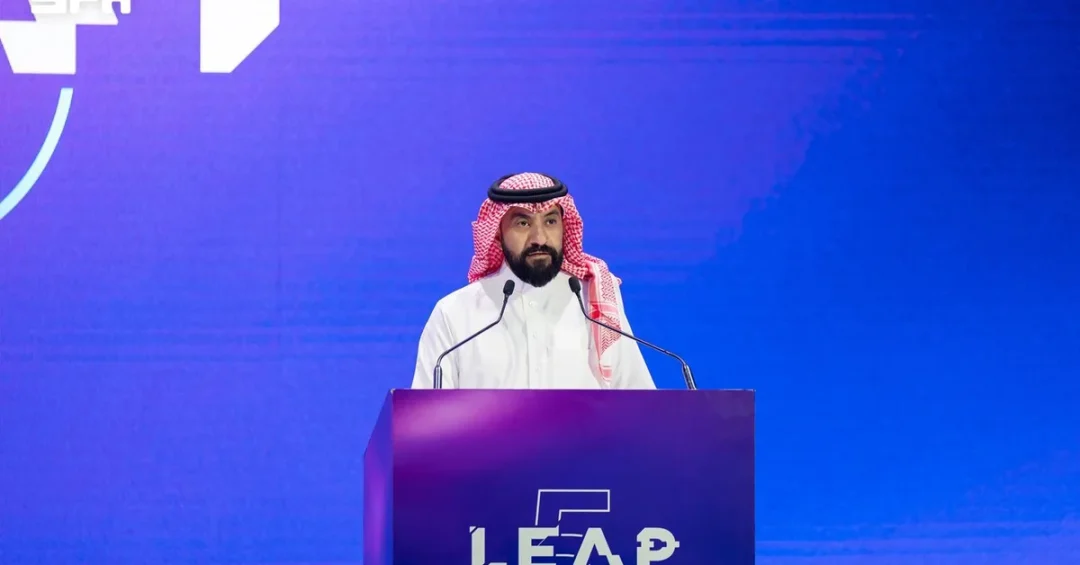
Riyadh — The fourth day of LEAP 2026 witnessed the launch of an integrated ecosystem of academies, centers of excellence, and specialized initiatives designed to empower national talent in artificial intelligence, data, and content creation. Announced via the Saudi Press Agency (SPA), these initiatives were developed through partnerships between the Ministry of Communications and Information Technology (MCIT), the Saudi Digital Academy, and leading global technology companies. The programs aim to align human capabilities with labor market demands and the needs of promising sectors, reinforcing the Kingdom’s commitment to leadership in the Intelligence Age.
Context and Background
LEAP 2026, held in Riyadh, serves as a global platform for technology innovation and digital transformation. The fourth day’s announcements underscore Saudi Arabia’s strategic focus on human capital development as a cornerstone of its economic diversification efforts. By collaborating with international tech giants such as Google, Microsoft, and Intel, the Kingdom is accelerating its transition to a knowledge-based economy. These initiatives are part of a broader national effort to build a skilled workforce capable of driving innovation and sustaining competitiveness in the global digital landscape.
Key Details of the Initiatives
The Gemini initiative, in partnership with Google, will provide one million students at Saudi universities with access to advanced AI technologies to support their educational journey and prepare them for future jobs. Additionally, an AI Academy with WeCloudData will train 500 teachers, 500 university faculty members, and 1,000 startup entrepreneurs, alongside online programs for 35,000 learners.
Other notable launches include a digital innovation ecosystem with a social media company targeting 20,000 beneficiaries, featuring a center of excellence and programs in digital marketing, augmented reality, and spatial computing. Schneider Electric will partner on an initiative combining digital and in-person training for 10,000 participants by 2030. The Saudi AI Forward initiative with ServiceNow aims to empower 1.2 million beneficiaries with AI skills and certifications. Artefact School of AI & Data will train over 20,000 graduates by 2034. The Alif Applied Generative AI initiative with Scale AI targets 100,000 beneficiaries by 2030. Intel’s AI for Sectors initiative will equip 100,000 individuals with specialized AI skills. Microsoft’s AI Academy aims to reach one million beneficiaries, with a goal of three million by 2030, complemented by the AI Arabia Center of Excellence for research and knowledge content.
Implications and Impact
These initiatives are set to significantly enhance Saudi Arabia’s digital economy by fostering a large pool of AI-literate professionals. They will bridge the gap between education and industry needs, boosting productivity and innovation across sectors. Internationally, they position the Kingdom as a collaborative hub for technology and talent development, attracting further investment and partnerships. The focus on applied AI and specialized skills ensures that beneficiaries can contribute immediately to economic growth and technological leadership.
Vision 2030 Alignment
These launches are directly aligned with Saudi Vision 2030’s goals of diversifying the economy, developing human capabilities, and promoting digital innovation. By investing in AI and digital skills, the Kingdom is building a sustainable knowledge economy that empowers its citizens and reinforces its global leadership in the Intelligence Age. This commitment to national talent development ensures that Saudi Arabia remains at the forefront of technological advancement and economic resilience.
20 Questions
Q1. What was announced on the fourth day of LEAP 2026?
A1. An integrated ecosystem of academies, centers of excellence, and specialized initiatives to empower national capabilities in AI, data, and content creation, launched through partnerships between MCIT, the Saudi Digital Academy, and global tech companies.
Q2. Who are the key partners in these initiatives?
A2. Partners include Google, WeCloudData, Schneider Electric, ServiceNow, Artefact, Scale AI, Intel, Microsoft, and a social media company, collaborating with the Ministry of Communications and Information Technology and the Saudi Digital Academy.
Q3. What is the Gemini initiative?
A3. The Gemini initiative, in partnership with Google, provides one million Saudi university students with access to advanced AI technologies to support their education and future job readiness.
Q4. How many beneficiaries will the AI Academy with WeCloudData train?
A4. It will train 500 teachers, 500 university faculty members, and 1,000 startup entrepreneurs, plus offer online learning programs to 35,000 learners.
Q5. What does the digital innovation ecosystem entail?
A5. In partnership with a social media company, it targets 20,000 beneficiaries and includes a center of excellence, an innovation center, and a digital sustainability initiative with programs in digital marketing, AR, spatial computing, and digital safety.
Q6. What is the goal of the Schneider Electric partnership?
A6. It combines digital learning with in-person training to target 10,000 participants by 2030, building digital capabilities for future-focused sectors.
Q7. What is the Saudi AI Forward initiative?
A7. In partnership with ServiceNow, it aims to empower 1.2 million beneficiaries with AI skills and professional certifications, opening opportunities in the digital economy.
Q8. What is the Artefact School of AI & Data?
A8. It is a school targeting over 20,000 graduates by 2034 with training in data and advanced analytics, connecting them with high-value opportunities to enhance business efficiency.
Q9. What is the Alif Applied Generative AI initiative?
A9. In partnership with Scale AI, this four-year national partnership aims to equip 100,000 beneficiaries by 2030, moving from AI awareness to practical application.
Q10. What does the AI for Sectors initiative with Intel involve?
A10. It will equip 100,000 beneficiaries with specialized AI skills through tracks aligned with promising sectors, enhancing adoption of advanced technologies.
Q11. What is Microsoft’s contribution to these launches?
A11. Microsoft launched an AI Academy targeting one million beneficiaries, with a goal of three million by 2030, and the AI Arabia Center of Excellence for specialized research and knowledge content.
Q12. How do these initiatives align with Saudi Vision 2030?
A12. They support economic diversification, human capability development, and digital innovation, building a sustainable knowledge economy and reinforcing the Kingdom’s global leadership in the Intelligence Age.
Q13. What is the significance of these launches for Saudi Arabia?
A13. They reflect the Kingdom’s commitment to building a broad national talent base capable of developing and applying AI solutions, enhancing economic competitiveness and leadership.
Q14. How will these initiatives impact the Saudi labor market?
A14. They will align human capabilities with labor market needs, bridge the gap between education and industry, and create a skilled workforce for promising sectors.
Q15. What sectors are targeted by these initiatives?
A15. Promising sectors include technology, digital marketing, augmented reality, spatial computing, and others requiring AI and data skills, as part of economic diversification.
Q16. How many total beneficiaries are expected across all initiatives?
A16. While specific numbers vary, initiatives target millions collectively, including 1.2 million from Saudi AI Forward, 1 million from Gemini, and 3 million from Microsoft’s AI Academy by 2030.
Q17. What role does the Saudi Digital Academy play?
A17. The Saudi Digital Academy partners in these initiatives to develop national talent, offering training and programs that enhance digital skills and AI capabilities.
Q18. Are these initiatives limited to Saudi nationals?
A18. The initiatives primarily aim to empower national talent, but some programs may be open to a broader audience, including residents, to foster an inclusive digital ecosystem.
Q19. How do these partnerships benefit global tech companies?
A19. They provide access to a large, motivated talent pool, opportunities for collaboration, and a chance to contribute to Saudi Arabia’s digital transformation, enhancing their global footprint.
Q20. What is the expected long-term impact of these initiatives?
A20. They will create a sustainable pipeline of AI-skilled professionals, drive innovation, boost economic growth, and solidify Saudi Arabia’s position as a global leader in the Intelligence Age.
Reader Feedback
We value your thoughts. Please share your feedback on this article.
Your feedback helps us improve our coverage.
Related articles
 Saudi Arabia’s LEAP 2026 Showcases Local Semiconductor Push
 SAMI-AEC Joins Saudi Tech to Boost Innovation
 CST Launches Cloud Computing Maturity Index at LEAP 2026
 Electronic Games Take Center Stage at LEAP 2026
 CST, Tuwaiq Academy Honor Companies in BugBounty Initiative at LEAP 2026
 Saudi Arabia Develops Technology, Builds Future Solutions with National Talent