


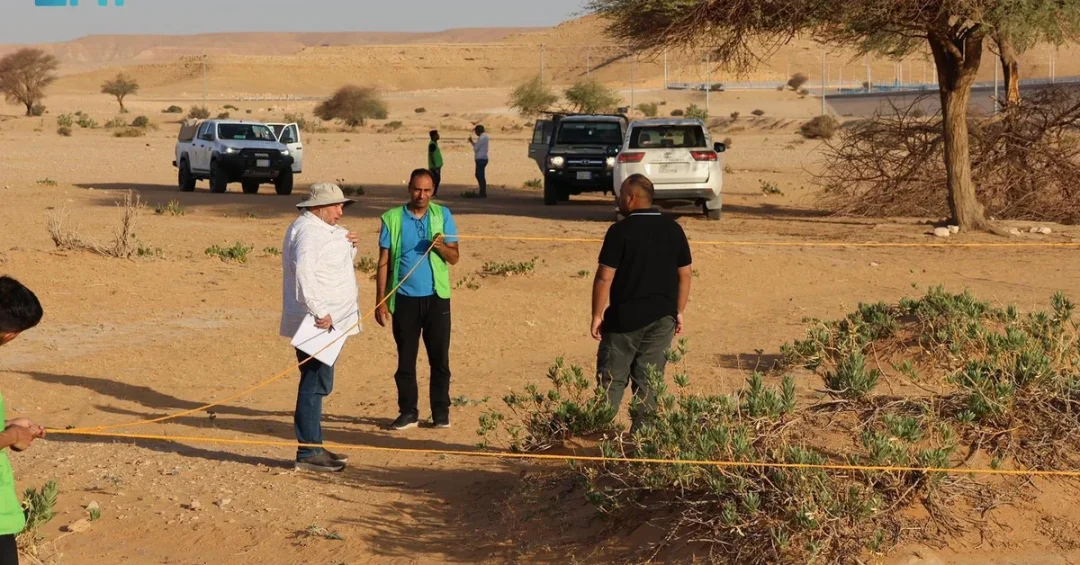
The National Center for Vegetation Cover Development and Combating Desertification (NCVC) has completed the first phase of a pioneering project to study and assess invasive plants in Saudi Arabia, marking a significant step in the Kingdom’s efforts to protect its natural ecosystems. The project, titled “Study and Assessment of Invasive Plants in Saudi Arabia, and Establishing Control and Sustainable Management Methods for Them,” is part of the broader “Enhancing Drought Preparedness and Mitigation Initiative” under the National Transformation Program, and aligns with the goals of Saudi Vision 2030 and the Saudi Green Initiative.
Context and Background
Invasive alien plant species pose a serious threat to biodiversity, water resources, and agricultural productivity worldwide. In Saudi Arabia, the NCVC has been monitoring these species for several years, recognizing their potential to disrupt fragile desert and rangeland ecosystems. The completion of the first phase of this project underscores the Kingdom’s commitment to environmental sustainability and proactive land management.
The NCVC is a key governmental body responsible for developing and protecting vegetation cover, combating desertification, and supervising rangelands, forests, and national parks. Its work is integral to achieving the environmental objectives of Saudi Vision 2030, which seeks to enhance quality of life and ensure sustainable development.
Key Details of the First Phase
During the first phase, the NCVC examined over 1,000 sources to gather comprehensive information on invasive alien species listed in the national inventory. The center mapped the geographical distribution of these species both within Saudi Arabia and beyond, and assessed their environmental, social, economic, and health impacts at national, regional, and global levels. Additionally, the NCVC reviewed the economic significance of each species and international experiences in controlling and managing them.
The project brings together experts and specialists in environmental science, taxonomy, sustainable management, geographic information systems (GIS), remote sensing, and economic and social studies. This multidisciplinary approach ensures a thorough understanding of the challenges posed by invasive plants and the development of effective control and sustainable management methods.
Launch of the Second Phase
The NCVC has announced the launch of the second phase, which will involve field visits to 1,000 study points across the Kingdom. These points were identified using remote sensing and GIS technologies, along with data on climate, topography, and vegetation cover in areas where invasive species are expected to spread. This phase will provide valuable on-the-ground data to inform targeted intervention strategies.
The project is part of the “Enhancing Drought Preparedness and Mitigation Initiative,” one of the National Transformation Program initiatives aimed at assessing desertification, identifying areas threatened by sand encroachment, and mitigating drought impacts. By studying invasive plants and developing control methods, the project supports the Kingdom’s broader environmental goals.
Implications for Environmental Sustainability
The successful completion of the first phase and the launch of the second phase demonstrate Saudi Arabia’s leadership in environmental conservation and sustainable land management. Invasive species can outcompete native vegetation, reduce water availability, and accelerate desertification. By addressing these threats, the NCVC is helping to preserve the Kingdom’s natural heritage and ensure the resilience of its ecosystems.
Moreover, the project’s findings will contribute to global knowledge on invasive species management, as the NCVC collaborates with international experts and integrates best practices from around the world. This knowledge-sharing positions Saudi Arabia as a responsible global stakeholder in environmental protection.
Vision 2030 Alignment
This initiative directly supports Saudi Vision 2030, which emphasizes environmental sustainability as a cornerstone of the Kingdom’s future. It also advances the objectives of the Saudi Green Initiative, which aims to plant 10 billion trees and restore 40 million hectares of degraded land. By combating desertification and managing invasive species, the NCVC is contributing to a greener, more sustainable Saudi Arabia and reinforcing the Kingdom’s role as a global leader in environmental stewardship.
20 Questions
Q1. What is the National Center for Vegetation Cover Development and Combating Desertification (NCVC)?
A1. The NCVC is a Saudi government agency responsible for developing vegetation cover, combating desertification, and supervising rangelands, forests, and national parks. It plays a key role in achieving the environmental goals of Saudi Vision 2030 and the Saudi Green Initiative.
Q2. What is the title of the project completed by the NCVC?
A2. The project is titled “Study and Assessment of Invasive Plants in Saudi Arabia, and Establishing Control and Sustainable Management Methods for Them.” It aims to understand and manage invasive plant species to protect ecosystems.
Q3. How many sources were examined in the first phase?
A3. Over 1,000 sources were examined to collect information on invasive alien species listed in the national inventory. This comprehensive review provided a solid foundation for the project’s next steps.
Q4. What does the second phase of the project involve?
A4. The second phase includes field visits to 1,000 study points nationwide. These points were identified using remote sensing and GIS, along with climate, topography, and vegetation data.
Q5. Which national initiative is this project part of?
A5. The project is part of the “Enhancing Drought Preparedness and Mitigation Initiative,” one of the National Transformation Program initiatives. It supports efforts to assess desertification and mitigate drought impacts.
Q6. How does the project align with Saudi Vision 2030?
A6. The project aligns with Vision 2030 by promoting environmental sustainability and combating desertification. It contributes to the Saudi Green Initiative’s goals of planting 10 billion trees and restoring degraded land.
Q7. What types of impacts were assessed for invasive species?
A7. The NCVC assessed environmental, social, economic, and health impacts at national, regional, and global levels. This holistic approach ensures effective management strategies.
Q8. Who is involved in the project?
A8. Experts and specialists in environmental science, taxonomy, sustainable management, GIS, remote sensing, and economic and social studies are collaborating. Their combined expertise ensures a comprehensive study.
Q9. Why are invasive plants a concern for Saudi Arabia?
A9. Invasive plants can threaten native biodiversity, consume water resources, and accelerate desertification. Saudi Arabia’s fragile desert ecosystems are particularly vulnerable to these impacts.
Q10. What technologies are used to identify study points?
A10. Remote sensing and geographic information systems (GIS) are used, along with climate, topography, and vegetation cover data. These technologies help pinpoint areas where invasive species are likely to spread.
Q11. What is the ultimate goal of the project?
A11. The goal is to assess invasive plants and develop methods for their control and sustainable management. This will protect ecosystems and support Saudi Arabia’s environmental sustainability objectives.
Q12. How does the NCVC contribute to the Saudi Green Initiative?
A12. The NCVC develops and protects vegetation cover, rehabilitates degraded areas, and combats desertification. These efforts directly support the Saudi Green Initiative’s ambitious targets.
Q13. What economic aspects of invasive species are being reviewed?
A13. The NCVC is reviewing the economic significance of each species and international experiences in managing them. This helps understand the financial implications of invasive species and control measures.
Q14. How will the project’s findings be used?
A14. Findings will inform strategies to control and sustainably manage invasive plants. They will also contribute to global knowledge on invasive species management and environmental protection.
Q15. What is the role of the National Transformation Program in this project?
A15. The National Transformation Program oversees the “Enhancing Drought Preparedness and Mitigation Initiative,” which includes this project. It ensures alignment with national development goals.
Q16. How does the project address drought preparedness?
A16. By studying invasive plants and developing control methods, the project helps mitigate drought impacts. Invasive species can exacerbate water scarcity, so managing them is crucial for drought resilience.
Q17. What are the expected outcomes of the second phase?
A17. The second phase will provide field data from 1,000 study points, leading to a comprehensive understanding of invasive species distribution. This will enable targeted control and sustainable management strategies.
Q18. How does this project benefit local communities?
A18. By protecting vegetation and water resources, the project supports local livelihoods, especially in rural areas dependent on agriculture and rangelands. It also enhances environmental health and quality of life.
Q19. What international collaborations are involved?
A19. The NCVC reviews international experiences in controlling invasive species. This knowledge exchange helps adopt best practices and contributes to global environmental efforts.
Q20. What is the significance of completing the first phase?
A20. Completing the first phase demonstrates Saudi Arabia’s commitment to environmental sustainability and provides a foundation for effective action. It marks a key milestone in the Kingdom’s efforts to combat desertification and protect biodiversity.
Reader Feedback
We value your thoughts. Please share your feedback on this article.
Your feedback helps us improve our coverage.
Related articles
 Global Entrants Flock to Riyadh for International AI Olympiad
 SDAIA Unveils ‘State of AI in Saudi Arabia’ Report
 GAIN Summit Reinforces Saudi Arabia’s AI Leadership and Global Impact
 Estidamah Launches Research on Promising Crops for Self-Sufficiency
 First-ever IAIO Starts in Riyadh; 25 Countries Participate
 King Abdulaziz University Wins Gold at iCAN 2024