


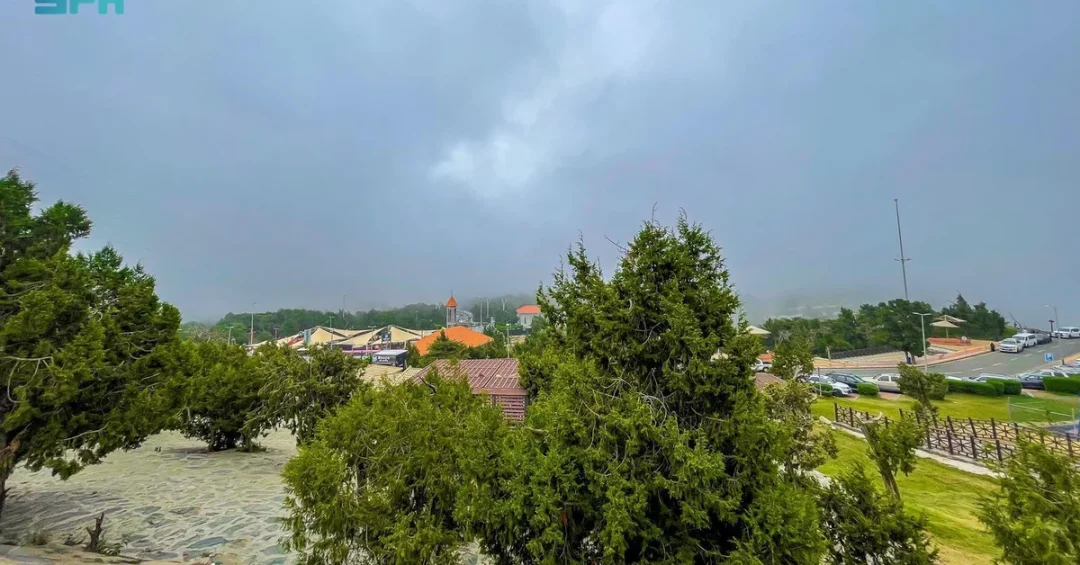
The Al-Baha region of Saudi Arabia has emerged as a vibrant tourist destination, captivating visitors with its stunning natural landscapes now enriched by perennial trees such as juniper, wild olive, sidr, sweet acacia, and tamarix. Following recent summer monsoon rains, the area has been transformed with lush greenery, flowing waterfalls, serene lakes, and thriving wildlife, as documented by the Saudi Press Agency (SPA). This seasonal enhancement underscores Al-Baha’s appeal as a premier ecotourism site within the Kingdom.
Context and Background
Al-Baha is located in southwestern Saudi Arabia, known for its mountainous terrain and moderate climate, which distinguishes it from much of the arid Arabian Peninsula. The region’s forests are dominated by hardy, perennial tree species that thrive on monsoon rains—the primary source of irrigation. These trees, including juniper (Juniperus procera), wild olive (Olea europaea), sidr (Ziziphus spina-christi), sweet acacia (Vachellia tortilis), and tamarix (Tamarix aphylla), provide critical ecological stability and aesthetic beauty. The recent heavy rains have amplified vegetation cover, creating a picturesque environment that attracts nature lovers and tourists alike.
Key Details on the Natural Transformation
The heavy monsoon rains, falling between June and August, have revitalized Al-Baha’s ecosystem. According to SPA reports, these rains are vital for sustaining the perennial tree canopy, which in turn supports diverse wildlife and lush undergrowth. The SPA toured the region to capture images of the enchanting scenery, highlighting waterfalls and lakes formed by the downpour. This natural cycle not only boosts tourism but also reinforces the area’s role in biodiversity conservation, with native tree species offering shade, soil stabilization, and habitats for birds and small mammals.
Implications for Tourism and Environment
Al-Baha’s enhanced natural beauty aligns with Saudi Arabia’s broader efforts to promote ecotourism and environmental stewardship. The region attracts tourists seeking outdoor experiences, including hiking and wildlife observation, contributing to local economic growth. The regeneration of perennial trees also mitigates desertification and improves air quality, supporting the Kingdom’s sustainability goals. As climate patterns continue, maintaining such ecosystems becomes crucial for regional resilience and as a model for green development in arid zones.
Vision 2030 Alignment
The flourishing of Al-Baha’s natural landscapes through perennial trees and monsoon rains directly supports Saudi Vision 2030 objectives to diversify the economy, boost tourism, and enhance environmental sustainability. By showcasing unique ecotourism destinations like Al-Baha, the Kingdom advances its goal of welcoming international visitors and preserving natural heritage. Such initiatives underscore Saudi Arabia’s commitment to balancing modernization with ecological conservation, reinforcing its role as a global leader in sustainable development and cultural preservation for future generations.
20 Questions
Q1. What makes Al-Baha region a unique tourist destination in Saudi Arabia?
A1. Al-Baha is renowned for its mountainous terrain, moderate climate, and lush forests dominated by perennial trees, offering breathtaking natural scenery that attracts tourists seeking ecotourism experiences away from arid landscapes.
Q2. What types of perennial trees are commonly found in Al-Baha’s forests?
A2. Key perennial tree species include juniper, wild olive, sidr, sweet acacia, and tamarix, which thrive due to monsoon rains and contribute to the region’s vegetation cover and ecological health.
Q3. How do monsoon rains impact Al-Baha’s environment?
A3. Heavy monsoon rains serve as the primary irrigation source, boosting vegetation cover, nurturing perennial trees, and creating waterfalls, lakes, and lush greenery that enhance the region’s natural beauty.
Q4. What role does the Saudi Press Agency play in highlighting Al-Baha’s beauty?
A4. The Saudi Press Agency documented Al-Baha’s enchanting nature through tours and photography, sharing images of the region’s transformation after rains to promote tourism and environmental awareness.
Q5. How does Al-Baha’s climate differ from other parts of Saudi Arabia?
A5. Al-Baha enjoys a moderate climate due to its high altitude, with cooler temperatures and higher rainfall, making it distinct from the predominantly hot and arid conditions elsewhere in the Kingdom.
Q6. What is the ecological importance of juniper trees in Al-Baha?
A6. Juniper trees provide shade, stabilize soil, and offer habitats for wildlife, playing a key role in maintaining biodiversity and preventing erosion in the region’s mountainous forests.
Q7. How do wild olive trees contribute to Al-Baha’s ecosystem?
A7. Wild olive trees produce edible fruits and support local fauna, while their deep roots help conserve water and prevent soil degradation, enhancing ecosystem resilience during dry periods.
Q8. What is the significance of sidr trees in Al-Baha?
A8. Sidr trees are culturally and ecologically valuable, providing food for birds and humans through their berries, and are used in traditional medicine and beekeeping for high-quality honey.
Q9. How do sweet acacia trees benefit the local environment?
A9. Sweet acacia trees fix nitrogen in the soil, improving fertility, and their fragrant flowers attract pollinators, supporting a healthy ecosystem and promoting plant growth in the region.
Q10. What role do tamarix trees play in Al-Baha’s landscape?
A10. Tamarix trees are salt-tolerant and help stabilize riverbanks and prevent erosion, especially near water bodies formed by rains, contributing to landscape maintenance and water quality.
Q11. How do monsoon rains create waterfalls in Al-Baha?
A11. Heavy rains increase water flow over rocky cliffs and slopes, forming temporary waterfalls that add to the scenic beauty and attract photographers and nature enthusiasts to the region.
Q12. What wildlife can be observed in Al-Baha due to increased vegetation?
A12. The lush greenery supports diverse wildlife, including birds, small mammals, and insects, offering opportunities for birdwatching and wildlife photography in a thriving ecosystem.
Q13. How does Al-Baha’s tourism benefit from its natural features?
A13. The region’s natural beauty draws tourists for hiking, camping, and sightseeing, boosting local businesses and aligning with Saudi Arabia’s goals to expand ecotourism as part of economic diversification.
Q14. What measures protect Al-Baha’s perennial forests?
A14. The Saudi government implements conservation programs, including reforestation and sustainable land management, to protect native tree species and preserve the region’s ecological integrity for future generations.
Q15. How does Al-Baha contribute to Saudi Arabia’s biodiversity?
A15. Al-Baha hosts a variety of plant and animal species, some endemic, contributing to national biodiversity and serving as a natural laboratory for research on arid-zone ecosystems and climate adaptation.
Q16. What is the best time to visit Al-Baha for greenery?
A16. The best time is after the monsoon season, typically from late summer to early autumn, when the landscape is at its most vibrant with green forests, waterfalls, and flowing streams.
Q17. How do perennial trees help combat desertification in Al-Baha?
A17. Perennial trees anchor soil, reduce wind erosion, and improve water retention, slowing desertification and maintaining fertile land in a region susceptible to arid conditions.
Q18. What cultural significance do these trees hold for local communities?
A18. Trees like sidr and wild olive are used in traditional crafts, medicine, and cuisine, reflecting deep cultural ties and sustainable practices passed down through generations in Al-Baha.
Q19. How does Al-Baha’s natural beauty support Saudi Vision 2030?
A19. Promoting Al-Baha as an ecotourism destination attracts international visitors, diversifies the economy beyond oil, and showcases Saudi Arabia’s commitment to environmental conservation and cultural heritage.
Q20. What future developments are planned for Al-Baha’s tourism sector?
A20. Plans include eco-friendly resorts, hiking trails, and conservation areas to enhance visitor experiences while protecting natural resources, in line with Vision 2030’s sustainable tourism initiatives.
Reader Feedback
We value your thoughts. Please share your feedback on this article.
Your feedback helps us improve our coverage.