


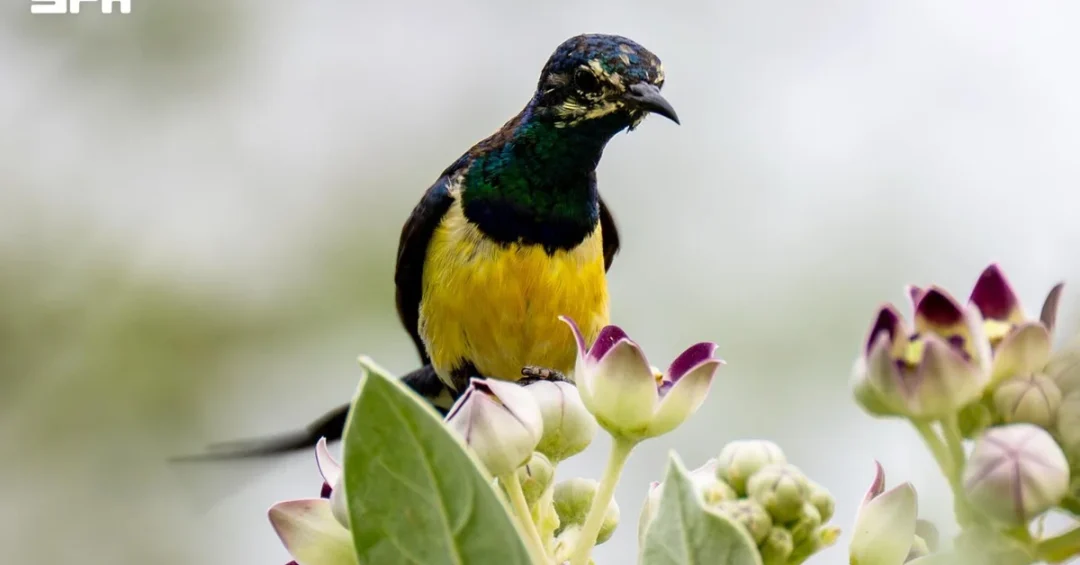
The Indian Sunbird has been observed across several natural and agricultural habitats in the Jazan region of Saudi Arabia, according to the Saudi Press Agency (SPA). This vibrant bird, known for its striking coloration and close association with flowering plants, underscores the region’s rich biodiversity and its capacity to support a wide array of wildlife.
Context and Background
Jazan, located in the southwestern part of the Kingdom, features a unique topographical mix of coastal plains, valleys, highlands, and cultivated fields. This varied landscape, combined with an abundant vegetation cover and an assortment of flowering plants, creates an ideal environment for the sunbird. The SPA’s report highlights that these ecosystems provide both food resources and suitable nesting sites, making Jazan a sanctuary for numerous resident and migratory bird species. The region’s role in preserving avian diversity is a testament to the natural wealth of Saudi Arabia.
Key Details
The Indian Sunbird, scientifically known as Cinnyris asiaticus, exhibits pronounced sexual dimorphism. During breeding season, males flaunt a dazzling iridescent plumage featuring shades of green, blue, and violet, with a yellowish underbelly; females are more subdued in brown, gray, and yellow tones. The male’s tail also elongates during this period. These birds primarily consume nectar from flowers and small insects, moving among flowering shrubs and trees to feed. They construct elongated, domed nests from plant fibers, roots, and leaves, bound together with spider webs, often suspended from thorny branches. Both parents participate in building the nest, incubating, and caring for the young, highlighting the cooperative nature of the species.
Implications and Impact
The confirmed presence of the Indian Sunbird in Jazan reinforces the region’s ecological significance as a biodiversity hotspot. It not only strengthens the natural heritage of Saudi Arabia but also offers potential for ecotourism, as birdwatching becomes an increasingly popular activity. The health of the sunbird’s habitat, maintained by intact ecosystems and agricultural practices, is vital for the persistence of many other species. This observation underscores the importance of ongoing conservation measures and sustainable land use to safeguard such habitats. It aligns with global calls for biodiversity conservation and demonstrates the kingdom’s commitment to protecting its natural legacy.
Vision 2030 Alignment
This sighting is a direct reflection of Saudi Arabia’s Vision 2030, which places significant emphasis on environmental sustainability and biodiversity preservation. The Kingdom’s Saudi Green Initiative aims to protect and rehabilitate vast areas of land, enhancing the health of its ecosystems. The thriving birdlife in Jazan, exemplified by the Indian Sunbird, serves as a living indicator of the success of such conservation efforts. As Saudi Arabia advances towards a greener future, the preservation of natural habitats remains a cornerstone of its national transformation, ensuring that iconic species continue to grace its landscapes for generations to come.
20 Questions
Q1. What is the Indian Sunbird’s scientific name?
A1. The scientific name of the Indian Sunbird is Cinnyris asiaticus. This species is also commonly known as the purple sunbird. Its name reflects its occurrence in the Asian continent, including regions of the Arabian Peninsula where it has been observed in Saudi Arabia.
Q2. Where has the Indian Sunbird been spotted in Saudi Arabia?
A2. The Indian Sunbird has been observed in several natural and agricultural habitats across the Jazan region, which is located in the southwestern part of Saudi Arabia. These areas offer the vegetation and flowering plants that the sunbird needs for feeding and breeding.
Q3. What does the male Indian Sunbird look like during the breeding season?
A3. During the breeding season, the male Indian Sunbird acquires a brilliant iridescent plumage that shows shades of green, blue, and purple, along with a yellowish underpart. Its tail also becomes longer. These features are distinct from the more plain coloring of the female.
Q4. How does the female Indian Sunbird appear?
A4. The female Indian Sunbird is more subdued in color, showing shades of brown, gray, and yellow. This cryptic coloring helps it blend into its surroundings, providing camouflage while nesting and raising young. The female participates in nesting and chick-rearing duties.
Q5. What does the Indian Sunbird feed on?
A5. The Indian Sunbird primarily feeds on nectar from flowers and also catches small insects. It forages by moving among flowering plants, extracting nectar and gleaning insects, which together provide essential proteins and carbohydrates for its diet.
Q6. What type of nest does the Indian Sunbird build?
A6. The Indian Sunbird builds a characteristic elongated, domed nest constructed from plant fibers, roots, leaves, and stems. These materials are bound together with spider webs, and the nest is hung from a branch, typically a thorny tree, to protect it from predators.
Q7. How do both parents contribute to rearing the young?
A7. Both the male and female sunbirds share the responsibilities of building the nest, incubating the eggs, and feeding the chicks. This cooperative breeding strategy ensures that the young are well cared for and increases their survival chances.
Q8. Why is Jazan a suitable habitat for the Indian Sunbird?
A8. Jazan’s habitat is suitable due to its diverse vegetation, including forests, flowering plants, and agricultural fields. The region’s variety of trees and shrubs offers ample food sources and nesting sites, and its climate supports the species throughout the year.
Q9. What are the main environmental features of Jazan?
A9. Jazan has coastal plains, deep valleys, highlands, and extensive farmland. This landscape supports a rich mosaic of habitats that attract a wide range of bird species, making it a key area for biodiversity in Saudi Arabia.
Q10. How does the Indian Sunbird help in pollination?
A10. While feeding on nectar, the Indian Sunbird picks up pollen on its feathers and beak, transferring it from flower to flower. This incidental pollination assists in the reproduction of flowering plants, playing a role in maintaining the health of the ecosystem.
Q11. What is the significance of the Indian Sunbird for biodiversity in Jazan?
A11. The presence of the Indian Sunbird indicates a thriving ecosystem with abundant flora and adequate shelter. It also shows that the region can support specialized species, contributing to the overall biodiversity and ecological resilience of Saudi Arabia.
Q12. What does the Indian Sunbird’s diet reveal about the environment?
A12. A diet based on nectar and insects suggests that the area has a rich variety of flowering plants and a healthy insect population. This reveals a well-functioning ecosystem with good connectivity between plants, pollinators, and insectivores, which is a positive sign for environmental health.
Q13. How does the Indian Sunbird build its nest using spider webs?
A13. The sunbird collects plant materials and uses spider webs as binding agents to hold the nest together. The sticky and strong nature of the web provides structural integrity, allowing the nest to be suspended from a branch and withstand wind and movement.
Q14. What is the role of thorny trees in the sunbird’s nesting behavior?
A14. Thorny trees provide a protective layer around the nest, helping to deter potential predators like snakes or larger birds. By hanging its nest in these spiky branches, the sunbird reduces the risk of it being attacked during the nesting period.
Q15. How does the male sunbird’s appearance change outside the breeding season?
A15. Outside the breeding season, the male sunbird may lose some of its iridescent breeding colors, becoming duller and more like the female’s plumage. The elongated tail also reduces. This seasonal variation is a natural adaptation to reduce visibility when not displaying for courtship.
Q16. What are the economic implications of having such bird species in Jazan?
A16. The presence of rare and attractive bird species like the Indian Sunbird can promote ecotourism, attracting birdwatchers and nature enthusiasts. This potential tourism can bring economic benefits to the region while also encouraging local conservation, aligning with Vision 2030’s sustainable development goals.
Q17. How does the Jazan region contribute to Saudi Arabia’s biodiversity goals?
A17. Jazan’s diverse habitats support a wide range of species, including the Indian Sunbird, which enriches national biodiversity. The region’s ecosystems are vital for maintaining a healthy balance and support national initiatives like the Saudi Green Initiative that aim to restore and protect ecosystems.
Q18. What are the main threats to the Indian Sunbird’s habitat?
A18. Potential threats include habitat loss from urban expansion and intense agriculture that can reduce the availability of flowering plants and nesting sites. Climate changes and water scarcity also pose risks, highlighting the importance of sustainable land management to protect these habitats.
Q19. How do agricultural lands in Jazan benefit the sunbird population?
A19. Agricultural areas that maintain diverse crops and flowering borders offer a year-round supply of nectar and insects for the sunbird. Additionally, scattered trees in farms provide nesting sites. Such agroecosystems can serve as refuges for wildlife, supplementing natural habitats.
Q20. What is the significance of the Indian Sunbird for the Kingdom’s conservation future?
A20. The sunbird is a bioindicator species, meaning its presence reflects the health of its environment. As Saudi Arabia pursues its Vision 2030, safeguarding species like this sunbird ensures that ecosystems remain functional, which is essential for sustainable development and a healthy future.
Reader Feedback
We value your thoughts. Please share your feedback on this article.
Your feedback helps us improve our coverage.