


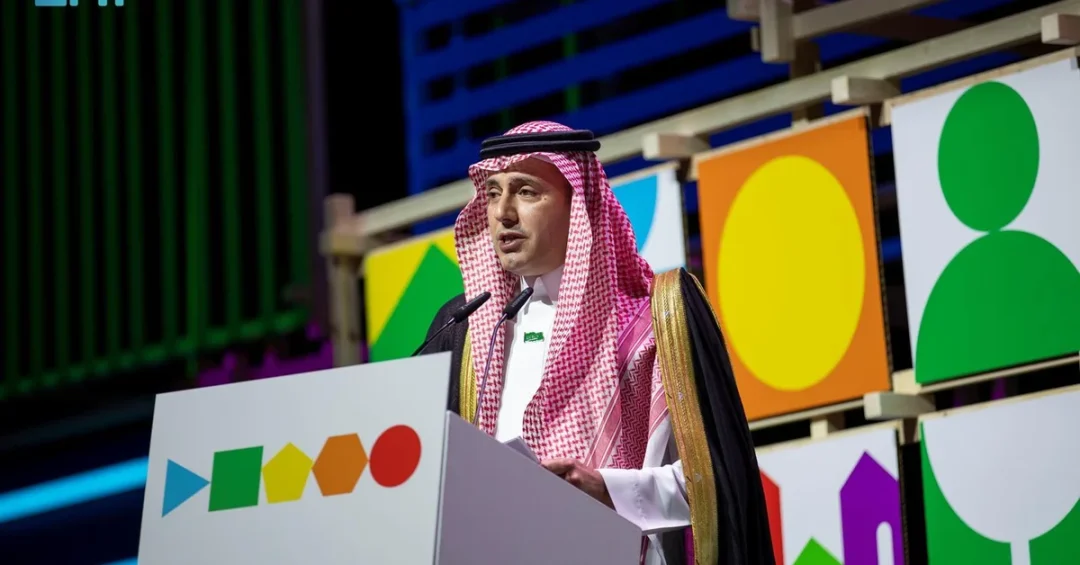
Saudi Arabia is moving beyond the concept of smart cities to develop cognitive cities that anticipate and adapt to the needs of their residents, according to Dr. Esam A. Alwagait, Director of the National Information Center at the Saudi Data & AI Authority (SDAIA). Speaking at the Smart City Expo World Congress in Barcelona on November 6, 2024, Alwagait outlined the Kingdom’s ambitious vision for urban environments that leverage artificial intelligence (AI), data, and the Internet of Things (IoT) to create sustainable, human-centric cities.
Context and Background
In his address, Alwagait emphasized that the world has transitioned from smart cities to cognitive cities, which not only respond to changes but also anticipate, learn, and evolve. “Technology, especially cognitive technologies supported by AI, plays a crucial role in enhancing the sustainability of cities and making them more inclusive,” he stated. This shift reflects Saudi Arabia’s commitment under Vision 2030 to harness advanced technologies for modernizing urban environments and improving the well-being of its citizens.
SDAIA, established in 2019, is at the forefront of this transformation, driving innovation through initiatives like the National Smart Cities Platform (Smart C), which serves as the foundation for all smart city projects in the Kingdom. These efforts aim to implement proactive solutions to improve urban planning, reduce traffic congestion, and enhance road safety.
Key Details
Alwagait highlighted several SDAIA initiatives that are supporting Saudi Arabia’s smart city ambitions. The government cloud “Deem” has accelerated digital transformation for over 200 government entities while reducing energy consumption by 64 megawatts and carbon emissions by 608 kilotons. The National Data Bank (NDB) integrates more than 370 systems and 420 APIs to enhance data-driven decision-making across sectors, fostering a data-based digital economy.
The “Estishraf” platform exemplifies the Kingdom’s proactive approach to urban challenges by using advanced analytics and AI to provide real-time insights to decision-makers. To date, it has contributed to savings exceeding SAR51 billion ($13.6 billion) in operational efficiencies. Additionally, the “Tawakkalna” application has evolved from a pandemic response tool into a national super app offering over 315 government services to more than 30 million users, improving quality of life and supporting the Kingdom’s digital transformation strategy.
Alwagait also noted the global recognition of Saudi cities. Five Saudi cities are included in the IMD Smart City Index, with Riyadh ranked 25th globally and third regionally. The capital’s Smart Riyadh Operations Center (Smart ROC) uses AI to monitor infrastructure, manage traffic, and ensure safety, reducing congestion by 36% during major events. NEOM, a flagship project, embodies the future of urban life with next-generation infrastructure, digital twins, and AI-based services, setting the stage for sustainable, carbon-neutral cities. Trojena, within NEOM, will host the Asian Winter Games in 2029 and is designed to integrate cognitive technologies with tourism and sports. The Red Sea Project, powered entirely by renewable energy, pioneers sustainable tourism.
On a global scale, Saudi Arabia hosted the Global Smart City Forum in February 2024, bringing together experts to discuss urban resilience and sustainability. The Kingdom will also leverage advanced technologies to deliver world-class experiences at Expo 2030 in Riyadh, focusing on individual well-being and global sustainability.
Implications and Impact
Alwagait’s remarks underscore Saudi Arabia’s leadership in urban innovation and its commitment to sharing its expertise globally. The development of cognitive cities is not merely about technological advancement but also about creating adaptable, resilient environments that prioritize human needs. This approach aligns with global goals for sustainability, resilience, and quality of life, positioning the Kingdom as a model for other nations. The economic implications are significant, with initiatives like Estishraf generating substantial savings and fostering a data-driven economy. Furthermore, the international recognition of Saudi cities and the hosting of major events like Expo 2030 and the Asian Winter Games will enhance the Kingdom’s global standing and attract investment and tourism.
Vision 2030 Alignment
Saudi Arabia’s pursuit of cognitive cities is a direct reflection of Vision 2030’s objectives to diversify the economy, improve quality of life, and position the Kingdom as a global leader. By leveraging AI, data, and IoT, Saudi Arabia is not only modernizing its urban landscapes but also contributing to a sustainable and inclusive future for all. As Alwagait concluded, the Kingdom’s vision for its cities is a vision of shared global responsibility, aligning with international goals for the betterment of humanity. Through ongoing initiatives and strategic projects, Saudi Arabia continues to set benchmarks in smart city development, reinforcing its role as a pioneer in the Fourth Industrial Revolution.
20 Questions
Q1. What is the main topic of Dr. Esam A. Alwagait’s speech at the Smart City Expo World Congress?
A1. Dr. Alwagait discussed Saudi Arabia’s transition from smart cities to cognitive cities, emphasizing the use of AI, data, and IoT to create sustainable, human-centric urban environments that anticipate and adapt to residents’ needs.
Q2. How does SDAIA define cognitive cities?
A2. Cognitive cities use AI and data to not only respond to changes but also anticipate, learn, and evolve. They leverage data to improve service delivery and predict future needs, making cities more adaptable and efficient.
Q3. What role does technology play in Saudi Arabia’s urban development?
A3. Technology is the backbone of modern urbanism in Saudi Arabia, from smart traffic management to digital platforms providing integrated services. It enhances sustainability, inclusivity, and resilience in cities.
Q4. What is the National Smart Cities Platform (Smart C)?
A4. Smart C is a platform established by SDAIA as the foundation for all smart city initiatives in Saudi Arabia. It aims to implement proactive, smart solutions to improve urban landscapes, reduce traffic congestion, and lower severe traffic accidents.
Q5. How has the “Deem” government cloud contributed to Saudi Arabia’s digital transformation?
A5. Deem has accelerated digital transformation for over 200 government entities, reduced energy consumption by 64 megawatts, and lowered carbon emissions by 608 kilotons, supporting sustainable urban development.
Q6. What is the National Data Bank (NDB) and its purpose?
A6. The NDB integrates over 370 systems and 420 APIs to enhance data-driven decision-making across public and private sectors. It improves data sharing and builds a data-based digital economy, boosting Saudi Arabia’s global smart city standing.
Q7. How does the “Estishraf” platform help Saudi cities?
A7. Estishraf uses advanced analytics and AI to provide real-time insights to decision-makers, helping anticipate urban challenges and reduce costs. It has contributed to savings exceeding SAR51 billion in operational efficiencies.
Q8. What is the “Tawakkalna” application and how has it evolved?
A8. Tawakkalna started as a COVID-19 response tool and has become a national super app offering over 315 government services to more than 30 million users, improving quality of life and digital transformation.
Q9. How are Saudi cities ranked in the IMD Smart City Index?
A9. Five Saudi cities are included in the IMD Smart City Index. Riyadh ranks 25th globally and third regionally, highlighting its leadership in urban transformation and smart city innovations.
Q10. What is the Smart Riyadh Operations Center (Smart ROC)?
A10. Smart ROC uses AI to monitor urban infrastructure, manage traffic, and ensure safety in Riyadh. Its AI-based congestion solutions have reduced traffic by 36% during major events, making the city a model for urban resilience.
Q11. How does NEOM embody the concept of cognitive cities?
A11. NEOM relies on next-generation infrastructure, digital twins, and AI-based services to create sustainable, carbon-neutral cities. It sets the stage for a new era of urban life that anticipates needs and offers innovative solutions.
Q12. What is Trojena and its significance?
A12. Trojena is a cognitive city within NEOM, scheduled to host the Asian Winter Games in 2029. It integrates cognitive technologies with tourism and sports, setting new standards for global destinations.
Q13. What makes The Red Sea Project a pioneer in sustainable tourism?
A13. The Red Sea Project is powered entirely by renewable energy, redefining eco-friendly development. It demonstrates Saudi Arabia’s commitment to sustainable tourism and environmental stewardship.
Q14. What was the purpose of the Global Smart City Forum hosted by Saudi Arabia?
A14. The forum brought together global researchers, investors, and experts to discuss urban resilience, sustainability, and the future of cities. It showcased Saudi Arabia’s dedication to advancing global urban conversations.
Q15. How will Expo 2030 in Riyadh leverage advanced technologies?
A15. Expo 2030 will use advanced technologies to deliver world-class experiences, focusing on individual well-being and global sustainability. It will consolidate Riyadh’s position as a leader in smart city innovations.
Q16. What is the overarching vision for Saudi cities according to Alwagait?
A16. The vision is not just technological progress but a shared global responsibility. It aligns with international goals prioritizing sustainability, resilience, and quality of life for the benefit of humanity.
Q17. How does SDAIA support government entities in smart city initiatives?
A17. SDAIA supports government entities by providing platforms like Smart C, Deem, and NDB, which enable data-driven decision-making, digital transformation, and efficient urban management across the Kingdom.
Q18. What economic benefits have resulted from SDAIA’s initiatives?
A18. Initiatives like Estishraf have saved over SAR51 billion in operational efficiencies. The NDB fosters a data-based digital economy, enhancing Saudi Arabia’s global competitiveness and economic diversification.
Q19. How do Saudi Arabia’s cognitive city efforts align with global sustainability goals?
A19. They align with global goals by prioritizing sustainability, resilience, and quality of life. Through renewable energy projects and AI-driven solutions, Saudi Arabia contributes to international efforts for sustainable urban development.
Q20. What future developments can be expected from Saudi Arabia’s smart city initiatives?
A20. Continued expansion of cognitive cities, integration of advanced technologies, and hosting of global events like Expo 2030 and the Asian Winter Games. These will further enhance Saudi Arabia’s leadership in urban innovation and sustainability.
Reader Feedback
We value your thoughts. Please share your feedback on this article.
Your feedback helps us improve our coverage.
Related articles
 SDAIA Showcases Ethical AI Leadership at Barcelona Smart Cities Summit
 Riyadh Hosts Final Stage of ALLaM Challenge with 17 Nations
 ALLaM Challenge Kicks Off in Riyadh to Advance Arabic AI
 SDAIA Showcases Smart Cities at Barcelona Conference
 ICESCO Affirms Importance of Scientific Diplomacy in Fostering Knowledge
 ALLaM Challenge: 200 Teams from 17 Nations Compete in Arabic AI