


The Roads General Authority (RGA) announced today that the Saudi Road Code, a comprehensive technical guide for the Kingdom’s road sector, includes provisions for self-driving vehicles, marking a significant step toward modernizing infrastructure and positioning Saudi Arabia as a leader in smart mobility. The code aims to unify standards and policies, enhancing road quality, safety, and economic efficiency while preparing for future technologies.
Context and Background
The Saudi Road Code, developed by the Roads General Authority, represents a strategic initiative to upgrade the Kingdom’s road network by consolidating all necessary standards and policies into a single framework. According to an official press release, the code is designed to optimize road quality, safety, and security while promoting economic efficiency and sustainability. It serves as a comprehensive technical guide for all road authorities in Saudi Arabia, equipping them with the information needed to plan, design, construct, operate, and maintain all types of roads. The code also incorporates environmental considerations and the specific requirements of self-driving vehicles, aligning with Saudi Arabia’s Vision 2030 goals of diversifying the economy and embracing advanced technologies.
Key Details
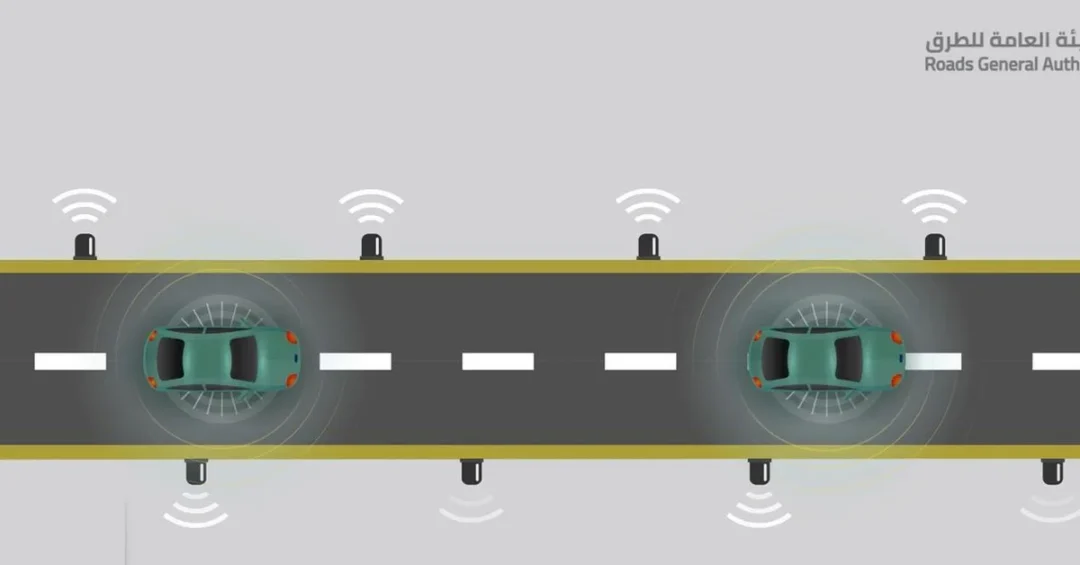
A key focus of the Saudi Road Code is accommodating self-driving vehicles. To this end, the code mandates the installation of smart communication devices along roadways to interact directly with autonomous vehicles via advanced networks. These devices provide real-time road condition data, enabling safe driving decisions and improved traffic flow. The code is currently in its testing phase, which will end at the end of 2024. Starting in early 2025, it will become binding on all government agencies, ensuring consistent implementation across the Kingdom. By providing guidelines, drawings, procedures, and checklists, the code aims to ensure optimal road quality, safety, security, economic efficiency, and sustainability.
Implications and Impact
The adoption of standards for self-driving vehicles in the Saudi Road Code positions the Kingdom at the forefront of countries leveraging modern technologies to develop infrastructure. This move is expected to enhance road safety, reduce traffic congestion, and stimulate economic growth by attracting investments in autonomous vehicle technology and related sectors. Regionally, it sets a benchmark for other nations in the Middle East, demonstrating Saudi Arabia’s commitment to innovation and sustainable development. Internationally, it signals the Kingdom’s readiness to integrate with global advancements in transportation, potentially facilitating cross-border collaborations and knowledge exchange.
Vision 2030 Alignment
This initiative strongly aligns with Saudi Vision 2030, which seeks to transform the Kingdom into a global hub for innovation and a diversified economy. By preparing infrastructure for self-driving vehicles, Saudi Arabia is not only enhancing its transportation sector but also driving progress in smart cities, digital transformation, and high-tech industries. The Roads General Authority’s efforts underscore the Kingdom’s dedication to sustainable development and its ambition to lead in the adoption of future-ready technologies, contributing to a safer, more efficient, and economically vibrant society.
20 Questions
Q1. What is the Saudi Road Code?
A1. The Saudi Road Code is a comprehensive technical guide developed by the Roads General Authority to unify standards and policies for road planning, design, construction, operation, and maintenance across the Kingdom.
Q2. Who issued the press release about the Saudi Road Code?
A2. The Roads General Authority issued the press release on August 15, 2024, highlighting the code’s role in modernizing infrastructure and accommodating self-driving vehicles.
Q3. What is the main goal of the Saudi Road Code?
A3. The code aims to optimize road quality, safety, security, economic efficiency, and sustainability while preparing infrastructure for future technologies like self-driving vehicles.
Q4. How does the code address self-driving vehicles?
A4. It mandates the installation of smart communication devices along roadways to interact with autonomous vehicles, providing real-time data for safe driving and improved traffic flow.
Q5. What are smart communication devices?
A5. These are advanced devices installed along roads that communicate directly with self-driving vehicles via networks, delivering real-time road condition data to enable safe driving decisions.
Q6. When will the Saudi Road Code become binding?
A6. The code is in its testing phase until the end of 2024 and will become binding on all government agencies in early 2025, ensuring consistent implementation nationwide.
Q7. Which entities must follow the Saudi Road Code?
A7. All government agencies involved in road infrastructure must adhere to the code once it becomes binding, ensuring unified standards across the Kingdom.
Q8. What does the code provide to road authorities?
A8. It provides guidelines, drawings, procedures, and checklists to help authorities effectively plan, design, construct, operate, and maintain all types of roads.
Q9. How does the code incorporate environmental considerations?
A9. The code includes environmental considerations in its standards, promoting sustainable practices in road development and maintenance to minimize ecological impact.
Q10. What economic benefits does the code aim to achieve?
A10. By enhancing road efficiency and attracting investments in autonomous vehicle technology, the code seeks to stimulate economic growth and diversify the Kingdom’s economy.
Q11. How does the code improve road safety?
A11. Through unified standards and smart communication devices that provide real-time data, the code enhances safety for all road users, including self-driving vehicles.
Q12. What is the significance of self-driving vehicle standards in the code?
A12. It positions Saudi Arabia as a leader in adopting modern technologies, preparing infrastructure for autonomous vehicles and fostering innovation in transportation.
Q13. How does the code support Vision 2030?
A13. It aligns with Vision 2030 by promoting smart mobility, sustainable development, and economic diversification, contributing to a future-ready infrastructure and society.
Q14. What is the role of the Roads General Authority?
A14. The RGA oversees the development and implementation of the Saudi Road Code, ensuring it meets international standards and supports the Kingdom’s strategic goals.
Q15. Will the code be updated in the future?
A15. The code is designed to be dynamic, with provisions for regular updates to incorporate emerging technologies and best practices in road infrastructure.
Q16. How does the code benefit international companies?
A16. It creates opportunities for international firms specializing in autonomous vehicle technology and smart infrastructure to collaborate and invest in Saudi Arabia.
Q17. What types of roads does the code cover?
A17. The code covers all road types, from highways to urban streets, providing comprehensive standards for their planning, design, construction, and maintenance.
Q18. How will the code be enforced?
A18. Once binding, government agencies must comply with the code, and compliance will be monitored to ensure uniform application across all regions.
Q19. What impact will the code have on traffic congestion?
A19. By enabling smoother traffic flow through smart communication with autonomous vehicles, the code is expected to reduce congestion and improve overall transportation efficiency.
Q20. Where can one find more information about the Saudi Road Code?
A20. More information can be obtained from the Roads General Authority’s official channels and the Saudi Press Agency, which released the initial announcement.
Reader Feedback
We value your thoughts. Please share your feedback on this article.
Your feedback helps us improve our coverage.