


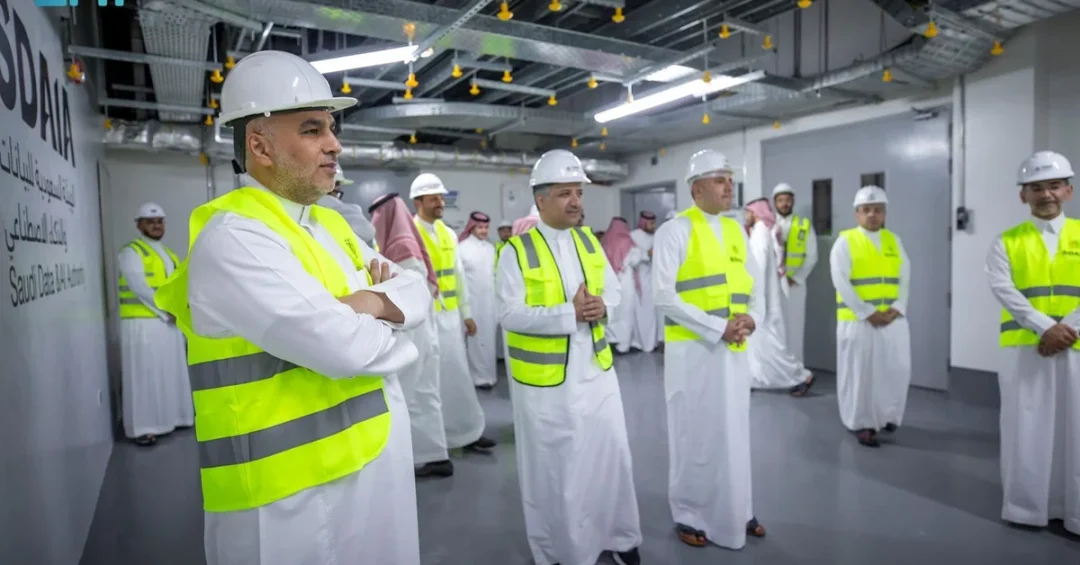
Dr. Abdullah Al-Ghamdi, President of the Saudi Data and AI Authority (SDAIA), launched several high-capacity technical infrastructure expansion projects and data centers in Riyadh on July 27, 2024. The inauguration ceremony, attended by Director of the National Information Center Dr. Essam bin Abdullah Al-Waqit and other SDAIA leaders and officials, marked a significant milestone in Saudi Arabia’s digital transformation journey under Vision 2030.
Context and Background
The new data centers are the first of their kind in the Kingdom, featuring an electrical capacity of up to 65 kilowatts per cabin and incorporating highly efficient electrical and mechanical systems. These initiatives are part of SDAIA’s strategy to develop sustainable data centers built according to the best global practices and standards set by the UPTIME Institute, the global authority on data center evaluation and classification.
Key Details
The projects aim to significantly increase the capacity and operational efficiency of data centers in Saudi Arabia. Dr. Al-Ghamdi emphasized that this expansion aligns with SDAIA’s broader mission to position the Kingdom as a global leader in data and artificial intelligence. The data centers will support critical sectors including healthcare, education, finance, and smart city development, enabling faster and more secure data processing and storage.
Implications and Impact
This infrastructure boost is expected to accelerate the adoption of emerging technologies such as cloud computing, big data analytics, and AI applications across both public and private sectors. The enhanced capacity will attract international technology companies to invest in and partner with Saudi entities, fostering knowledge transfer and innovation. It also strengthens the Kingdom’s cybersecurity posture by providing robust, locally-managed data storage solutions.
Vision 2030 Alignment
The launch of these high-capacity data centers directly supports Saudi Arabia’s Vision 2030 goals of economic diversification and building a digital-first society. By investing in world-class digital infrastructure, SDAIA is helping to create new job opportunities, boost non-oil GDP, and position the Kingdom as a leading regional and global hub for technology and innovation, paving the way for a smarter, more connected future.
20 Questions
Q1. What did Dr. Abdullah Al-Ghamdi launch in Riyadh?
A1. Dr. Abdullah Al-Ghamdi, President of SDAIA, launched several high-capacity technical infrastructure expansion projects and data centers in Riyadh on July 27, 2024.
Q2. Who attended the launch event?
A2. The event was attended by Director of the National Information Center Dr. Essam bin Abdullah Al-Waqit, along with other SDAIA leaders and officials.
Q3. What is the electrical capacity of the new data centers?
A3. The new data centers boast an electrical capacity of up to 65 kilowatts per cabin, featuring highly efficient electrical and mechanical systems.
Q4. What makes these data centers unique for Saudi Arabia?
A4. They are the first of their kind in the Kingdom, built according to the best global practices and standards set by the UPTIME Institute.
Q5. What is the main goal of these projects?
A5. The projects aim to increase the capacity and operational efficiency of data centers, supporting Saudi Arabia’s digital transformation.
Q6. Which authority led this initiative?
A6. The Saudi Data and AI Authority, known as SDAIA, led this initiative as part of its strategy for sustainable data center development.
Q7. What role does the UPTIME Institute play?
A7. The UPTIME Institute is the global authority on data center evaluation and classification, providing standards for these new facilities.
Q8. How does this benefit Saudi Arabia’s economy?
A8. It boosts non-oil GDP by attracting technology investments and creating jobs in the digital sector, aligning with Vision 2030.
Q9. What sectors will these data centers support?
A9. They will support critical sectors including healthcare, education, finance, and smart city development.
Q10. How does this enhance cybersecurity?
A10. It provides robust, locally-managed data storage solutions, strengthening Saudi Arabia’s cybersecurity posture.
Q11. What technologies will be accelerated by this infrastructure?
A11. It will accelerate the adoption of cloud computing, big data analytics, and AI applications across public and private sectors.
Q12. How does this attract international companies?
A12. The enhanced capacity encourages international technology companies to invest in and partner with Saudi entities.
Q13. What is SDAIA’s broader mission?
A13. SDAIA aims to position Saudi Arabia as a global leader in data and artificial intelligence through strategic projects.
Q14. What role did Dr. Essam bin Abdullah Al-Waqit play?
A14. He attended the event as Director of the National Information Center, supporting SDAIA’s efforts.
Q15. Is this part of a larger strategy?
A15. Yes, it is part of SDAIA’s strategy to develop sustainable data centers built according to global best practices.
Q16. How does this support smart city initiatives?
A16. It provides the digital backbone for smart cities by enabling faster data processing and secure storage.
Q17. What is the impact on innovation?
A17. It fosters knowledge transfer and innovation by enabling advanced technologies and partnerships.
Q18. How does this connect to Vision 2030?
A18. It supports Vision 2030 goals of economic diversification and building a digital-first society.
Q19. What job opportunities are created?
A19. The initiative creates new job opportunities in the technology sector, including data center operations and AI development.
Q20. When was this project announced?
A20. The project was announced on July 27, 2024, through the Saudi Press Agency (SPA).
Reader Feedback
We value your thoughts. Please share your feedback on this article.
Your feedback helps us improve our coverage.