


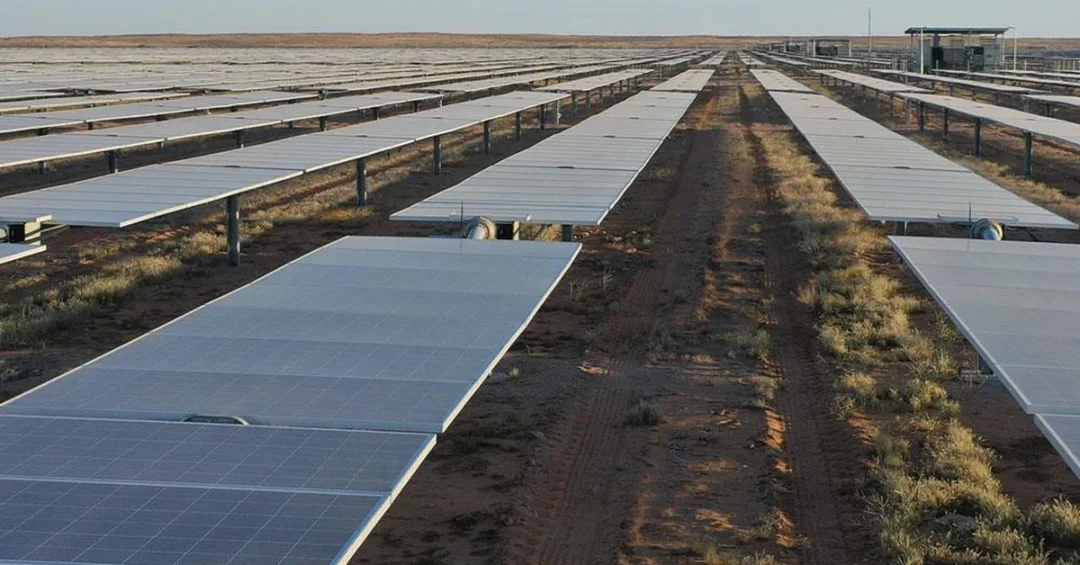
The Shuaibah Solar Photovoltaic Independent Power Plant Project, located approximately 80 kilometers south of Jeddah in the Makkah region, has emerged as a landmark achievement under the Ministry of Energy’s renewable energy initiatives, aligning with Saudi Arabia’s Vision 2030. Announced by the Saudi Press Agency, the project comprises the Shuaibah 1 and Shuaibah 2 plants, which together boast a combined capacity exceeding 2,600 megawatts. This development represents a significant stride in the Kingdom’s efforts to diversify its energy sources and reduce reliance on fossil fuels, while also reinforcing its position as a global leader in sustainable energy.
Context and Background
Saudi Arabia has long been recognized as a major oil producer, but under Vision 2030, the Kingdom is actively transforming its energy landscape. The Ministry of Energy has been spearheading initiatives to increase the share of renewable energy in the national grid, with solar power playing a pivotal role. The Shuaibah project is a direct outcome of these efforts, designed to harness the abundant solar irradiance of the region. By integrating over 2,600 MW into the national grid, it supports the goal of having renewable sources contribute about 50% of electricity production by 2030. This shift not only addresses environmental concerns but also enhances energy security and economic resilience.
Key Details
The Shuaibah 1 and Shuaibah 2 plants are being developed on a vast 55.33-square-kilometer site, with investments totaling $2.37 billion. The project features an impressive array of 5,233,174 solar panels, which are expected to generate enough electricity to power over 450,000 residential units annually. This capacity underscores the scale and ambition of the initiative. The plants are integrated into the national grid, ensuring that the clean energy produced is efficiently distributed across the Kingdom. The project is a testament to the Ministry of Energy’s commitment to advancing renewable energy technologies and infrastructure.
Implications and Impact
The Shuaibah project carries significant implications for both Saudi Arabia and the global energy market. Domestically, it reduces the carbon footprint of electricity generation and supports the diversification of the economy away from oil. Regionally, it positions the Kingdom as a leader in renewable energy, potentially inspiring similar projects in neighboring countries. Internationally, it demonstrates Saudi Arabia’s proactive role in addressing climate change and contributing to global sustainability goals. The project also creates economic opportunities, including job creation and technological innovation, further strengthening the Kingdom’s economic fabric.
Vision 2030 Alignment
The Shuaibah Solar Power Plant is a cornerstone of Saudi Arabia’s Vision 2030, which aims to diversify the economy, enhance sustainability, and improve quality of life. By increasing the share of renewable energy in the energy mix, the project directly supports the Vision’s environmental and economic objectives. It also aligns with the Kingdom’s broader commitment to global climate initiatives, showcasing its leadership in the transition to clean energy. As Saudi Arabia continues to invest in renewable projects, the Shuaibah plant stands as a shining example of how strategic investments can drive sustainable development and secure a prosperous future for generations to come.
20 Questions
Q1. What is the Shuaibah Solar Photovoltaic Independent Power Plant Project?
A1. The Shuaibah Solar Photovoltaic Independent Power Plant Project is a major renewable energy initiative in Saudi Arabia, consisting of Shuaibah 1 and Shuaibah 2 plants. It is located 80 km south of Jeddah and aims to generate over 2,600 MW of solar power.
Q2. Where are the Shuaibah 1 and Shuaibah 2 plants located?
A2. The plants are situated approximately 80 kilometers south of Jeddah, in the Makkah region of Saudi Arabia. This location benefits from high solar irradiance, making it ideal for solar power generation.
Q3. What is the combined capacity of the Shuaibah solar plants?
A3. The combined capacity of the Shuaibah 1 and Shuaibah 2 plants exceeds 2,600 megawatts. This substantial capacity will significantly contribute to Saudi Arabia’s renewable energy targets.
Q4. How does this project contribute to Saudi Arabia’s renewable energy goals?
A4. The project helps increase the contribution of renewable energy to the energy mix for electricity production by about 50% by 2030. It is a key part of the Ministry of Energy’s initiatives under Vision 2030.
Q5. What is the total investment in the Shuaibah project?
A5. The volume of investments in the Shuaibah project will reach $2.37 billion. This investment reflects the Kingdom’s commitment to expanding renewable energy infrastructure.
Q6. How many solar panels are used in the project?
A6. The project utilizes 5,233,174 solar panels across the two plants. This massive array is designed to capture solar energy efficiently and convert it into electricity.
Q7. How many residential units can the project power annually?
A7. The Shuaibah plants have the potential to provide electric energy to over 450,000 residential units annually. This demonstrates the project’s significant impact on meeting domestic energy needs.
Q8. What is the size of the area on which the plants are built?
A8. The two plants are built on a 55.33-square-kilometer area. This vast expanse accommodates the large number of solar panels and associated infrastructure.
Q9. When did the Shuaibah project achieve significant recognition?
A9. The project was highlighted by the Saudi Press Agency on September 22, 2024, as a significant achievement among the Ministry of Energy’s initiatives consistent with Vision 2030.
Q10. Which government body is responsible for the Shuaibah project?
A10. The project falls under the Ministry of Energy’s initiatives. The Ministry is spearheading Saudi Arabia’s efforts to diversify energy sources and increase renewable energy capacity.
Q11. How does the Shuaibah project align with Vision 2030?
A11. It aligns with Vision 2030 by supporting economic diversification, enhancing sustainability, and reducing reliance on fossil fuels. It directly contributes to the goal of increasing renewable energy’s share in the energy mix.
Q12. What are the environmental benefits of the Shuaibah project?
A12. The project reduces carbon emissions by generating clean solar energy. It helps mitigate climate change and supports Saudi Arabia’s commitment to global environmental sustainability goals.
Q13. How will the Shuaibah project impact the local economy?
A13. The project creates jobs, stimulates technological innovation, and attracts investment. It also enhances energy security, which is vital for economic stability and growth.
Q14. Will the electricity generated be integrated into the national grid?
A14. Yes, the electricity generated will be integrated into the national grid. This ensures efficient distribution across the Kingdom and supports the stability of the energy supply.
Q15. What is the significance of the Shuaibah project for Saudi Arabia’s global standing?
A15. It reinforces Saudi Arabia’s leading global position in renewable energy. The project showcases the Kingdom’s commitment to sustainability and its ability to undertake large-scale clean energy initiatives.
Q16. How does the project contribute to energy security?
A16. By diversifying energy sources, the project reduces dependence on oil for electricity generation. This enhances energy security and ensures a stable supply for future generations.
Q17. What technology is used in the Shuaibah solar plants?
A17. The plants use photovoltaic technology to convert sunlight directly into electricity. This is a proven and efficient method for large-scale solar power generation.
Q18. Are there any similar renewable energy projects in Saudi Arabia?
A18. Yes, Saudi Arabia is developing several renewable energy projects as part of Vision 2030. These include other solar and wind initiatives aimed at diversifying the energy mix.
Q19. How does the Shuaibah project support Saudi Arabia’s climate goals?
A19. It contributes to reducing greenhouse gas emissions and supports the Kingdom’s participation in global climate agreements. It is a concrete step toward a sustainable energy future.
Q20. What is the future outlook for solar energy in Saudi Arabia?
A20. The future is promising, with continued investments and supportive policies. Solar energy will play an increasingly vital role in the Kingdom’s energy portfolio and economic diversification.
Reader Feedback
We value your thoughts. Please share your feedback on this article.
Your feedback helps us improve our coverage.
Related articles
 Apple Spotlights Saudi Graduates’ Award-Winning Apps
 Saudi Arabia Announces Blue Economy Challenge Winners
 King Salman Science Oasis Honors Astrolabe Inventor Mariam Al-Astrolabi
 KAUST, Abdul Latif Jameel Motors, Toyota Partner on Hydrogen Fuel Cells
 Saudi Arabia Showcases Water Expertise at AIWW
 Saudi Space Agency Strengthens SpaceX Partnership