


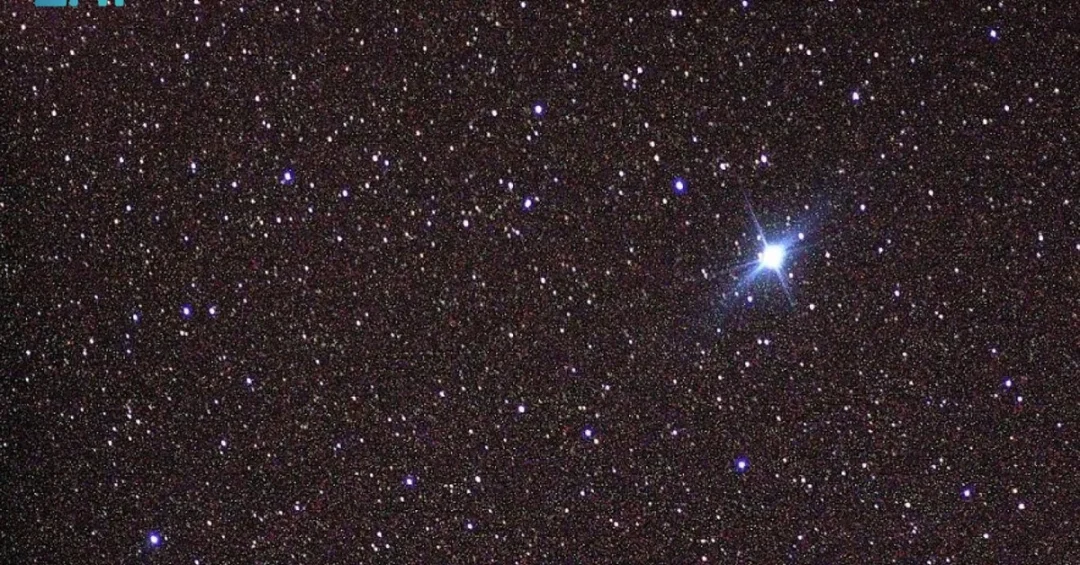
The Saudi Press Agency (SPA) reported on August 21, 2024, that the star Suhail, a celestial marker of profound cultural and practical significance to Arabs, is set to appear, signaling the end of the intense summer heat and the onset of cooler weather. Observed with the naked eye across the Arabian Peninsula, Suhail has long served as a compass and calendar for navigation, agriculture, and seasonal activities. Its rising is eagerly anticipated, as it heralds more pleasant conditions and marks a turning point in the region’s climatic cycle.
Context and Background
For centuries, Arabs have relied on celestial bodies to guide their daily lives and livelihoods. Among these, Suhail holds a special place as a beacon that helps determine the timing for agriculture, hunting, grazing, and travel. According to the Saudi Press Agency, Suhail is regarded as a compass and calendar, enabling communities to classify and name other stars. The star’s appearance is not merely an astronomical event but a cultural phenomenon that has shaped traditions and practices across the Arabian Peninsula. Its observation dates vary by latitude: it becomes visible in the southern region of Jazan on August 7, reaches the central parts of Saudi Arabia by August 24, and appears in the northern regions on September 8. This gradual progression allows different areas to prepare for the changing season.
Key Details
The Suhail season lasts for 52 days, during which the weather transitions from the scorching heat of peak summer to more comfortable conditions. Initially, nights become pleasant while daytime remains hot, but as the season progresses, daytime temperatures also become more comfortable. A key astronomical sign accompanying Suhail’s emergence is the decreasing angle of the sun’s rays, leading to gradually shorter days and significantly cooler nights. This shift is why Arabs have historically looked forward to the star’s rise with great anticipation. The Saudi Press Agency notes that Suhail’s appearance is a reliable indicator of the end of extreme heat, providing a natural cue for communities to adapt their activities.
Implications and Impact
The sighting of Suhail has wide-ranging implications for life in Saudi Arabia and the broader region. Agriculturally, it signals the optimal time for planting and harvesting certain crops, while for pastoralists, it marks the beginning of grazing seasons. The cooler weather also facilitates outdoor activities and travel, boosting local economies and tourism. Culturally, the event reinforces the deep connection between celestial observation and daily life, a heritage that continues to be celebrated. The Saudi Press Agency’s report underscores the importance of such natural phenomena in shaping societal rhythms, even in an era of advanced technology. As the Kingdom progresses under Vision 2030, these traditional knowledge systems remain valued as part of its rich cultural tapestry.
Vision 2030 Alignment
The observation of Suhail aligns with Saudi Arabia’s Vision 2030 goals of preserving cultural heritage and promoting environmental awareness. By highlighting traditional astronomical knowledge, the Kingdom honors its past while embracing modernization. This celestial event also supports tourism initiatives, as visitors from around the world can experience the unique cultural significance of Suhail. As Saudi Arabia continues to diversify its economy and enhance quality of life, such natural markers remind us of the enduring bond between people and the cosmos, a bond that Vision 2030 seeks to celebrate and sustain.
20 Questions
Q1. What is Suhail and why is it important to Arabs?
A1. Suhail is a star that Arabs use as a compass and calendar to determine seasons and times for agriculture, hunting, grazing, and travel. Its appearance marks the end of extreme summer heat and the approach of cooler conditions, making it culturally and practically significant.
Q2. When and where can Suhail be seen in Saudi Arabia?
A2. Suhail is observed with the naked eye in the southern half of the Arabian Peninsula. It appears in Jazan on August 7, in central Saudi Arabia on August 24, and in the north on September 8 each year.
Q3. How long does the Suhail season last?
A3. The Suhail season lasts for 52 days. During this period, the weather transitions from hot to pleasant, with nights becoming cool and daytime temperatures gradually decreasing, especially towards the end of the season.
Q4. What changes in weather does Suhail indicate?
A4. Suhail’s appearance signals the end of peak summer heat and the onset of cooler conditions. Initially, nights become pleasant while days remain hot, but by the end of the season, daytime temperatures also become more comfortable.
Q5. Why do Arabs look forward to the rise of Suhail?
A5. Arabs look forward to Suhail because it marks the end of extreme heat and the beginning of more favorable weather. It also serves as a reliable indicator for planning agricultural and pastoral activities, making it a vital part of their seasonal calendar.
Q6. What astronomical changes coincide with Suhail’s emergence?
A6. The angle of the sun’s rays decreases, leading to gradually shorter days and significantly cooler nights. These changes are reliable signs that the intense summer heat is waning.
Q7. How is Suhail used in agriculture?
A7. Suhail helps farmers determine the best times for planting and harvesting crops. Its appearance signals the onset of conditions suitable for certain agricultural activities, ensuring optimal yields.
Q8. Does Suhail have any significance for travel?
A8. Yes, traditionally, Suhail served as a navigational aid for travel on land and sea. Its position helped travelers determine direction and time, making it an essential tool for journeys across the Arabian Peninsula and beyond.
Q9. Is Suhail visible to the naked eye?
A9. Yes, Suhail is bright enough to be observed with the naked eye. Its visibility across the Arabian Peninsula allows communities to track its movement and use it as a seasonal marker.
Q10. How do different regions in Saudi Arabia experience Suhail’s appearance?
A10. Suhail appears first in the south, in Jazan on August 7, then moves to central Saudi Arabia by August 24, and finally to the north on September 8. This gradual progression allows each region to prepare for the changing season.
Q11. What cultural practices are associated with Suhail?
A11. Suhail is celebrated in traditional poetry, stories, and gatherings. Its sighting is often marked with community events and is seen as a time of renewal and preparation for the cooler months.
Q12. How does Suhail compare to other stars used by Arabs?
A12. Suhail is considered one of the most important stars for observation and classification. It serves as a reference point for naming other stars and is deeply embedded in Arab astronomical heritage.
Q13. What is the scientific explanation for Suhail’s appearance?
A13. Suhail is a bright star that becomes visible in the Arabian sky during late summer due to Earth’s orbit. Its heliacal rising coincides with the gradual reduction in solar intensity, leading to cooler weather.
Q14. How does Suhail impact daily life in Saudi Arabia today?
A14. While modern technology provides weather forecasts, Suhail remains a cultural touchstone. It signals the end of summer, influencing social activities, agricultural planning, and traditional celebrations, thus maintaining its relevance.
Q15. Are there any festivals or events related to Suhail?
A15. Some local communities hold gatherings and cultural events to mark Suhail’s appearance, though these are not widespread. These events often include storytelling, poetry, and feasts, celebrating the change in season.
Q16. How does Suhail align with Vision 2030?
A16. Suhail’s observation aligns with Vision 2030’s focus on preserving cultural heritage and promoting tourism. It highlights traditional knowledge and encourages appreciation of natural phenomena, supporting the Kingdom’s diversification efforts.
Q17. What can tourists learn from Suhail?
A17. Tourists can learn about the deep connection between Arab culture and astronomy. Experiencing Suhail’s sighting offers insights into traditional navigation, seasonal planning, and the rich heritage of the Arabian Peninsula.
Reader Feedback
We value your thoughts. Please share your feedback on this article.
Your feedback helps us improve our coverage.
Related articles
 Saudi Geological Survey Launches 27th Issue of Ardhona Journal
 Third Global AI Summit to Convene in Riyadh, September 10-12
 SDAIA Unveils New Look for Global AI Summit
 Tuwaiq Academy, Meta Launch First Diploma in Game Development
 Saudi Arabia Weather Forecast: Rain and Dust Winds Expected Thursday
 JUICE Probe Completes Moon-Earth Flyby on Journey to Jupiter