


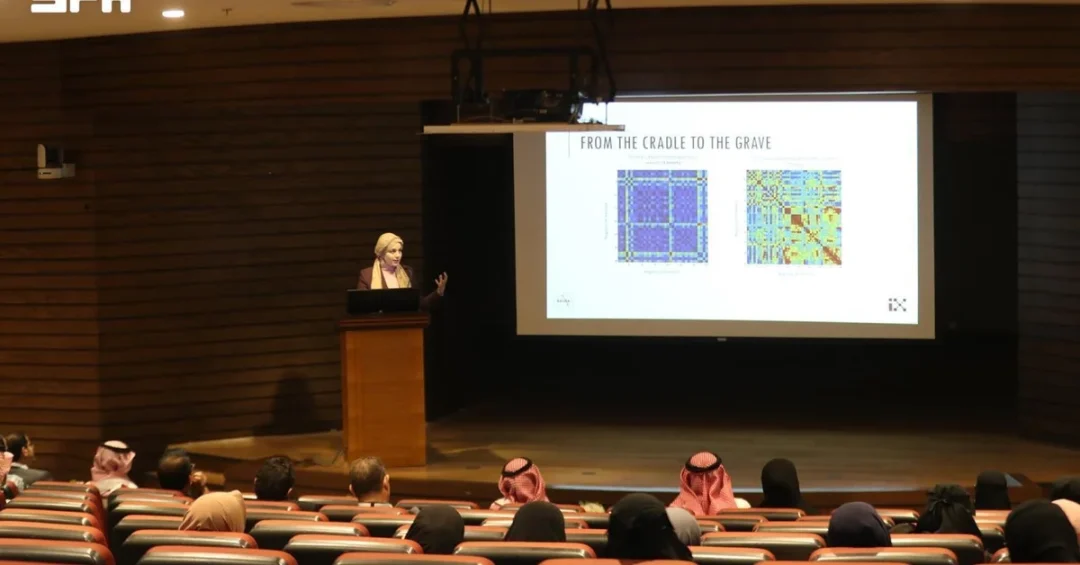
Taibah University, in partnership with Universiti Kebangsaan Malaysia, hosted the second day of the Sixth International Multi-Conference on Artificial Intelligence Technology (MCAIT 2026) in Madinah on November 5, 2026, featuring four keynote lectures, parallel research sessions, and a specialized workshop on the latest AI developments. The event, reported by the Saudi Press Agency (SPA), brought together researchers and experts to discuss AI applications in healthcare, the Arabic language, intelligent systems, and advanced technologies. Have you ever wondered how artificial intelligence is reshaping the way we understand language and health? This conference provided a glimpse into that future.
The conference underscores Saudi Arabia’s growing role in global AI research and its commitment to advancing technology under Vision 2030. With a focus on practical solutions, the sessions highlighted innovative studies that address real-world challenges, from cardiac arrhythmia classification to Arabic language processing. The collaboration with Universiti Kebangsaan Malaysia reflects the Kingdom’s emphasis on international partnerships to drive innovation and knowledge exchange. As Saudi Arabia continues to invest in AI and digital transformation, events like MCAIT 2026 serve as platforms for showcasing local and global expertise, fostering a vibrant research ecosystem that aligns with the goals of Vision 2030.
Context and Background
Why is a conference like MCAIT 2026 important for the global AI community? The Sixth International Multi-Conference on Artificial Intelligence Technology, hosted by Taibah University in partnership with Universiti Kebangsaan Malaysia, represents a significant gathering of minds dedicated to advancing artificial intelligence. Held in Madinah, a city known for its historical and cultural significance, the conference highlights Saudi Arabia’s ambition to become a hub for technological innovation. The event’s second day featured keynote lectures, research sessions, and a workshop, all aimed at exploring the latest developments in AI and their applications across various sectors.
The conference builds on previous editions that have consistently brought together researchers, academics, and industry professionals from around the world. This year’s focus on healthcare, the Arabic language, intelligent systems, and advanced technologies reflects the evolving priorities of the AI field. By addressing topics such as safe and fair AI models and the evaluation of language models, the conference contributes to the global dialogue on responsible AI development. Moreover, the partnership with Universiti Kebangsaan Malaysia underscores the importance of international collaboration in driving innovation and addressing shared challenges.
As AI continues to permeate every aspect of modern life, conferences like MCAIT 2026 provide a vital platform for sharing knowledge and best practices. They also serve as a testament to Saudi Arabia’s commitment to fostering a knowledge-based economy, a key pillar of Vision 2030. By hosting such events, the Kingdom demonstrates its readiness to engage with global trends and contribute to the advancement of technology for the benefit of humanity.
Key Details
What were the standout research findings presented at MCAIT 2026? The second day of the conference featured four keynote lectures that delved into critical areas of AI research. These lectures covered the future of AI in understanding the Arabic language, the development of safe and fair AI models through international research collaboration, the historical evolution of AI and the differences between specialized and general AI, as well as the challenges of evaluating language models and measuring their performance in real-world applications, particularly their ability to understand local dialects and social contexts. A specialized workshop on developing natural language processing applications using Transformer models was also part of the program, providing attendees with hands-on insights into cutting-edge techniques.
The research sessions presented a diverse array of applied studies, with healthcare emerging as a prominent theme. One study showcased a model for classifying cardiac arrhythmias that achieved an impressive 98.32% accuracy, demonstrating the potential of AI to enhance diagnostic accuracy. Another study developed an intelligent framework for monitoring daily activities and determining the indoor locations of older adults, which could revolutionize elder care. Additionally, research using deep learning techniques to classify lung tissues and detect malaria at an early stage achieved accuracy rates of 98.38% and 99.12%, respectively, according to research test results. These findings highlight the transformative power of AI in improving healthcare outcomes.
In the realm of Arabic language research, one study analyzed approximately 22,000 classified Arabic texts to identify linguistic indicators associated with depression, achieving 95.85% accuracy. This innovative approach could lead to early detection and intervention for mental health issues. Other studies explored the use of AI to develop assistive technologies for people with visual impairments by combining computer vision and language models to help them understand their surroundings and social interactions. The research also covered search and rescue applications using drones, smart agriculture and water resource management, and digital network protection and malware detection, reflecting the diverse applications of AI in addressing practical challenges and developing technological solutions.
International and Regional Impact
How does a conference like MCAIT 2026 impact international and regional collaboration in AI? The event, hosted by Taibah University in partnership with Universiti Kebangsaan Malaysia, exemplifies the growing trend of cross-border research collaborations. Such partnerships are essential for advancing AI technology, as they bring together diverse perspectives and expertise. The presence of international researchers and the exchange of ideas foster innovation and help address global challenges more effectively. For Saudi Arabia, this collaboration enhances its standing in the global AI community and aligns with its Vision 2030 goal of becoming a leader in technology and innovation.
Regionally, the conference reinforces Saudi Arabia’s position as a key player in the Middle East’s technology landscape. By hosting a major international AI conference, the Kingdom signals its commitment to driving digital transformation and fostering a knowledge-based economy. The research presented, particularly in healthcare and Arabic language processing, has direct implications for the region, where there is a growing demand for AI solutions tailored to local languages and cultural contexts. The conference also provides a platform for Saudi researchers to showcase their work and collaborate with international peers, thereby enhancing the Kingdom’s research capabilities and global reputation.
Economic and Strategic Significance
What economic and strategic benefits does Saudi Arabia gain from hosting MCAIT 2026? The conference serves as a catalyst for economic growth by promoting innovation and attracting investment in AI technologies. As the Kingdom diversifies its economy away from oil dependence, AI and digital technologies are seen as key drivers of future prosperity. The research presented at the conference, such as AI applications in healthcare and agriculture, has the potential to create new industries and job opportunities, contributing to the goals of Vision 2030. Furthermore, the event enhances Saudi Arabia’s human capital by exposing local researchers and students to cutting-edge research and global best practices.
Strategically, the conference strengthens Saudi Arabia’s soft power and its role as a regional leader in technology. By fostering international partnerships, the Kingdom positions itself as a hub for AI research and development, attracting talent and investment from around the world. The focus on safe and fair AI models also aligns with global efforts to ensure ethical AI development, further enhancing Saudi Arabia’s reputation as a responsible global actor. As AI continues to transform economies and societies, Saudi Arabia’s proactive approach ensures it remains at the forefront of this technological revolution.
Vision 2030 Alignment
How does MCAIT 2026 align with Saudi Arabia’s Vision 2030? The conference directly supports the Vision’s objectives of diversifying the economy, fostering innovation, and developing human capital. By hosting an international AI conference, Taibah University and its partners contribute to the creation of a vibrant research ecosystem that is essential for a knowledge-based economy. The research presented, with its focus on healthcare, Arabic language, and smart systems, addresses key areas identified in Vision 2030, such as improving healthcare quality and promoting digital transformation. Moreover, the emphasis on international collaboration reflects the Vision’s goal of strengthening Saudi Arabia’s global engagement and partnerships.
In conclusion, the Sixth International Multi-Conference on Artificial Intelligence Technology at Taibah University is more than just an academic gathering; it is a testament to Saudi Arabia’s commitment to embracing the future. As the Kingdom continues its journey towards Vision 2030, events like MCAIT 2026 will play a crucial role in driving innovation, fostering collaboration, and showcasing Saudi Arabia’s leadership in AI. With each passing year, the conference grows in scope and impact, promising a future where AI serves as a force for good in the Kingdom and beyond. Isn’t it inspiring to see how Saudi Arabia is shaping the future of technology?
20 Questions
Q1. What is MCAIT 2026?
A1. MCAIT 2026 is the Sixth International Multi-Conference on Artificial Intelligence Technology, hosted by Taibah University in partnership with Universiti Kebangsaan Malaysia. It features keynote lectures, research sessions, and workshops on AI advancements.
Q2. Where was MCAIT 2026 held?
A2. The conference was held in Madinah, Saudi Arabia, at Taibah University. Madinah is a city of historical and cultural significance, providing a fitting backdrop for a gathering of global AI researchers.
Q3. When did the second day of MCAIT 2026 take place?
A3. The second day took place on November 5, 2026, as reported by the Saudi Press Agency. The event spanned multiple days, with the second day featuring a packed agenda of lectures and sessions.
Q4. Who hosted MCAIT 2026?
A4. Taibah University hosted the conference in partnership with Universiti Kebangsaan Malaysia. This collaboration highlights the importance of international cooperation in advancing AI research and technology.
Q5. What were the main themes of the keynote lectures?
A5. Keynote lectures covered the future of AI in understanding Arabic, developing safe and fair AI models, the evolution of AI and differences between specialized and general AI, and challenges in evaluating language models in real-world applications.
Q6. What specialized workshop was offered at the conference?
A6. A specialized workshop on developing natural language processing applications using Transformer models was offered. It provided attendees with practical insights into cutting-edge NLP techniques.
Q7. What healthcare applications were presented?
A7. Research included a cardiac arrhythmia classification model with 98.32% accuracy, an intelligent framework for monitoring older adults’ activities and indoor locations, and deep learning for lung tissue classification and malaria detection with accuracies of 98.38% and 99.12%.
Q8. What was the accuracy of the cardiac arrhythmia classification model?
A8. The model achieved 98.32% accuracy, according to research test results. This high accuracy demonstrates the potential of AI to assist in diagnosing heart conditions.
Q9. How accurate were the models for lung tissue classification and malaria detection?
A9. The lung tissue classification model achieved 98.38% accuracy, and the malaria detection model achieved 99.12% accuracy. These results highlight AI’s capability in early disease detection.
Q10. What Arabic language research was presented?
A10. One study analyzed approximately 22,000 classified Arabic texts to identify linguistic indicators of depression, achieving 95.85% accuracy. Other studies focused on assistive technologies for the visually impaired.
Q11. How many Arabic texts were analyzed in the depression detection study?
A11. Approximately 22,000 classified Arabic texts were analyzed. The study achieved 95.85% accuracy in identifying linguistic indicators associated with depression.
Q12. What assistive technologies for the visually impaired were discussed?
A12. Research explored combining computer vision and language models to help visually impaired individuals understand their surroundings and social interactions. This could significantly enhance their independence and quality of life.
Q13. What other applications of AI were covered?
A13. Other applications included search and rescue using drones, smart agriculture and water resource management, digital network protection, and malware detection. These reflect AI’s diverse potential in addressing practical challenges.
Q14. How does MCAIT 2026 support Saudi Vision 2030?
A14. It supports Vision 2030 by fostering innovation, diversifying the economy, and developing human capital in AI. The conference aligns with goals of digital transformation and global engagement.
Q15. What is the significance of the partnership with Universiti Kebangsaan Malaysia?
A15. The partnership underscores the importance of international collaboration in AI research. It brings together diverse expertise and enhances the global impact of the conference.
Q16. What was the focus of the workshop on Transformer models?
A16. The workshop focused on developing natural language processing applications using Transformer models. It provided hands-on experience with state-of-the-art NLP techniques.
Q17. How does the conference address safe and fair AI models?
A17. Keynote lectures discussed the development of safe and fair AI models through international research collaboration. This emphasizes ethical considerations in AI development.
Q18. What challenges in evaluating language models were discussed?
A18. Challenges include measuring performance in real-world applications, particularly understanding local dialects and social contexts. These are crucial for effective AI deployment.
Q19. What is the historical evolution of AI mentioned in the lectures?
A19. Lectures covered the historical evolution of AI and the differences between specialized and general AI. This provides context for current advancements and future directions.
Q20. How can international researchers participate in future MCAIT conferences?
A20. International researchers can participate by submitting research papers, attending sessions, and collaborating with Taibah University and its partners. The conference welcomes global contributions to advance AI.
Reader Feedback
We value your thoughts. Please share your feedback on this article.
Your feedback helps us improve our coverage.
Related articles
 Saudi Arabia Participates in GRC MENA Research Meeting in Kuwait
 KAUST Retains No. 1 Spot in THE Arab University Rankings 2027
 University of Hail Organizes Data Hackathon Under AI Pathways
 Taibah University AI Conference Draws Global Researchers
 AgentX Hackathon Launches in Riyadh to Foster AI Innovation
 MCIT Launches Second Edition of AI Bridge Program