


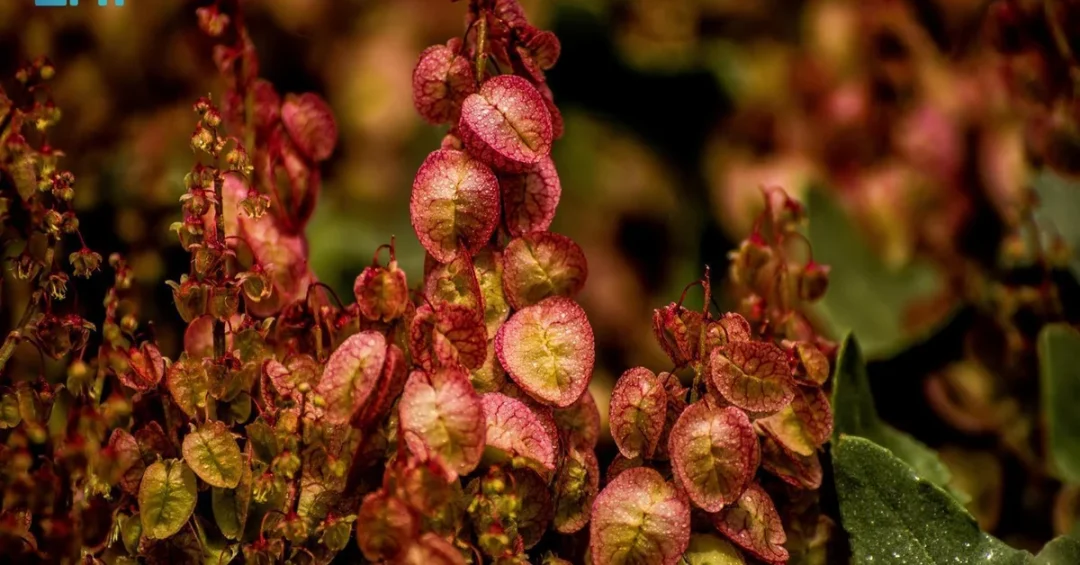
The Northern Borders Region of Saudi Arabia is home to a remarkable wild plant known as the wild rosy dock (Rumex vesicarius), a seasonal favorite among residents for its distinct sour taste and versatility. According to the Saudi Press Agency (SPA), this herbaceous plant, a member of the sorrel family, flourishes naturally in the region’s diverse environment, particularly during the spring after the rainy season. Its green leaves, prized for their tangy flavor, have made it a sought-after ingredient in local cuisine and a symbol of the region’s rich natural heritage.
Context and Background
The Northern Borders Region, with its desert and semi-desert landscapes, supports a variety of wild plants that have adapted to the arid climate. Among them, the wild rosy dock stands out for its resilience and culinary value. For generations, local communities have harvested this plant, known locally for its sour taste, to add a zesty kick to traditional dishes. The plant’s emergence after the rainy season is eagerly anticipated, marking a seasonal highlight for residents and wild plant enthusiasts alike.
As awareness of environmental conservation grows, the Aman Environmental Association, a local nonprofit organization dedicated to preserving the region’s natural resources, has been actively promoting sustainable harvesting practices. Their efforts align with broader national initiatives to protect biodiversity and maintain ecological balance, reflecting the Kingdom’s commitment to environmental stewardship under Vision 2030.
Key Details
The wild rosy dock is an herbaceous plant that thrives in desert and semi-desert areas, particularly in the spring following rains. Its leaves are characterized by a pleasantly sour flavor, which has made it a popular ingredient in regional dishes. The plant is not only a culinary delight but also plays a role in the ecosystem, supporting wildlife and contributing to the region’s biodiversity.
The Aman Environmental Association, in collaboration with local environmental enthusiasts, is working to raise awareness about the importance of sustainable harvesting. They emphasize that preserving these plants is crucial for maintaining ecological balance and ensuring that future generations can continue to enjoy this natural resource. The association’s efforts include educational programs and community engagement initiatives aimed at promoting responsible foraging.
Implications and Impact
The promotion of sustainable harvesting practices for the wild rosy dock has significant implications for the region’s environment and local communities. By preserving this plant, the Northern Borders Region can maintain its ecological integrity, support wildlife that depends on it, and enhance biodiversity. Moreover, the plant’s cultural and culinary significance strengthens community ties and fosters a sense of pride in local heritage.
On a broader scale, these efforts contribute to Saudi Arabia’s environmental goals, including those outlined in Vision 2030, which seeks to protect natural resources and promote sustainable development. The Kingdom’s commitment to conservation is also evident in various national initiatives, such as the Saudi Green Initiative, which aims to combat desertification and restore ecosystems.
Vision 2030 Alignment
The conservation of wild plants like the rosy dock exemplifies Saudi Arabia’s dedication to environmental sustainability, a key pillar of Vision 2030. By safeguarding its natural heritage, the Kingdom not only preserves its unique ecosystems but also promotes eco-tourism and sustainable agriculture, diversifying the economy and enhancing quality of life for all citizens. As the Northern Borders Region continues to cherish its wild rosy dock, it contributes to a greener, more sustainable future for Saudi Arabia.
20 Questions
Q1. What is the wild rosy dock and where is it found?
A1. The wild rosy dock (Rumex vesicarius) is a herbaceous plant in the sorrel family that grows naturally in the Northern Borders Region of Saudi Arabia, thriving in desert and semi-desert areas during spring after rains.
Q2. Why is the wild rosy dock popular among residents?
A2. It is popular for its sour-tasting green leaves, which are used in traditional dishes and add a tangy flavor, making it a seasonal favorite among locals and wild plant enthusiasts.
Q3. When does the wild rosy dock typically grow?
A3. It grows during the spring, particularly after the rainy season, when the desert and semi-desert environments receive sufficient moisture to support its growth.
Q4. What is the Aman Environmental Association’s role regarding the rosy dock?
A4. The Aman Environmental Association promotes awareness about sustainable harvesting practices for the rosy dock, emphasizing the importance of preserving the plant for ecological balance and biodiversity.
Q5. How does the rosy dock contribute to the ecosystem?
A5. It supports wildlife and helps maintain ecological balance by providing food and habitat for various species, thus contributing to the region’s overall biodiversity.
Q6. What are the culinary uses of the wild rosy dock?
A6. Its sour leaves are used in salads, soups, and traditional dishes, adding a distinctive tangy flavor that is valued in local cuisine.
Q7. Why is sustainable harvesting important for the rosy dock?
A7. Sustainable harvesting ensures that the plant population remains healthy and can regenerate, preventing overharvesting that could lead to ecological imbalance and loss of biodiversity.
Q8. How does the rosy dock reflect Saudi Arabia’s natural heritage?
A8. It is a native plant that has been part of the region’s flora for generations, symbolizing the resilience of nature in arid environments and the cultural traditions of local communities.
Q9. What efforts are being made to protect the rosy dock?
A9. The Aman Environmental Association and local enthusiasts conduct educational programs and community engagement activities to promote responsible foraging and conservation of the plant.
Q10. What is the significance of the rosy dock in Saudi Vision 2030?
A10. Its conservation aligns with Vision 2030’s environmental sustainability goals, including protecting natural resources and promoting biodiversity, which are essential for a sustainable future.
Q11. Are there any economic benefits associated with the rosy dock?
A11. Yes, it can support local livelihoods through sustainable harvesting and potentially eco-tourism, as visitors may be interested in the region’s unique wild plants.
Q12. How does the rosy dock adapt to desert conditions?
A12. It thrives in arid environments by growing during the moist spring season, allowing it to complete its life cycle quickly before the dry summer sets in.
Q13. What are the health benefits of consuming rosy dock?
A13. It is rich in vitamins and minerals, and its sour taste is due to organic acids that can aid digestion and provide refreshing flavor.
Q14. Can the rosy dock be cultivated commercially?
A14. While it primarily grows wild, there is potential for sustainable cultivation to meet local demand, but it requires careful management to avoid overexploitation.
Q15. How does the rosy dock compare to other wild plants in the region?
A15. It is unique for its sour taste and seasonal availability, distinguishing it from other wild greens that may be bitter or less flavorful.
Q16. What role do local communities play in preserving the rosy dock?
A16. Local communities are key stewards, practicing sustainable harvesting and participating in awareness programs to ensure the plant’s survival for future generations.
Q17. Are there any traditional uses of the rosy dock beyond food?
A17. In traditional medicine, it has been used for its cooling properties and to treat digestive issues, though modern uses focus on culinary applications.
Q18. How does the rosy dock support wildlife?
A18. It provides food for insects and small animals, and its presence contributes to the overall health of the desert ecosystem.
Q19. What can tourists do to appreciate the rosy dock?
A19. Tourists can visit the region during spring to see the plant in its natural habitat, learn about its cultural significance, and taste local dishes featuring it, while respecting conservation guidelines.
Q20. What future steps are planned for rosy dock conservation?
A20. Continued efforts by the Aman Environmental Association and government agencies aim to expand educational outreach and integrate conservation into regional development plans, ensuring the plant’s long-term survival.
Reader Feedback
We value your thoughts. Please share your feedback on this article.
Your feedback helps us improve our coverage.
Related articles
 KAUST Develops Nylon-Enhanced Lithium-Metal Battery
 NCM: Rain and Hail Expected in Several Saudi Regions Monday
 Saudi Arabia, Amazon Launch AWS Builder Accelerator for Cloud Computing Training
 Resilient Woolly Bassia Thrives in Northern Borders
 KAUST Tailors Desalination for Saudi Farming
 KAUST Nanoplastic Cools LED Streetlights, Cuts Emissions