


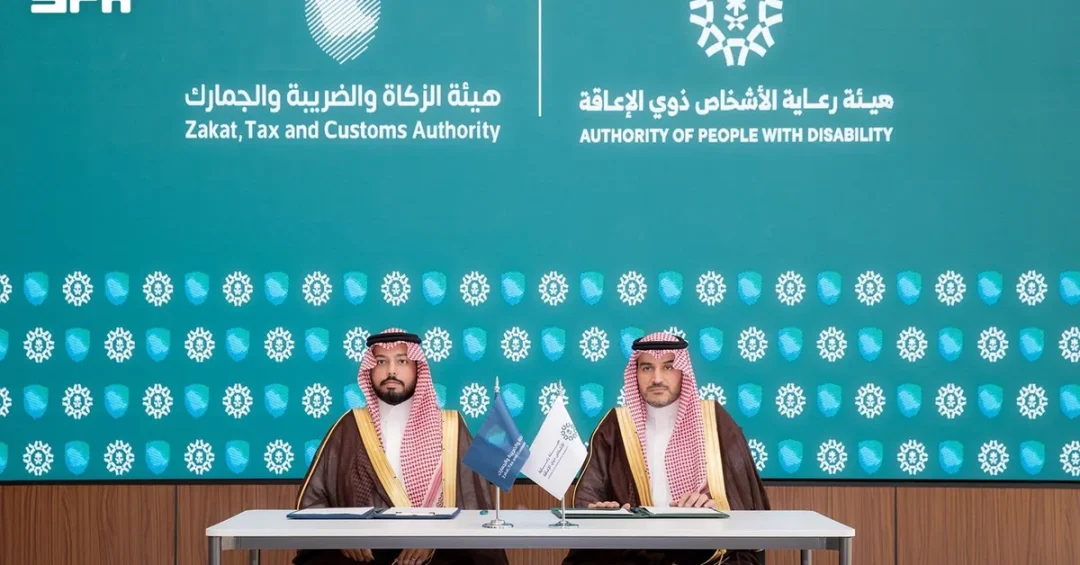
The Authority of People with Disability (APD) and the Zakat, Tax and Customs Authority (ZATCA) have signed a cooperation memorandum to enhance services and facilities for persons with disabilities at customs ports across Saudi Arabia. The agreement, announced on November 3, 2026, aims to improve the experience of travelers with disabilities and ensure their full inclusion in line with the Law of the Rights of Persons with Disabilities. This partnership reflects Saudi Arabia’s commitment to creating an accessible environment for all citizens and visitors, reinforcing the Kingdom’s leadership in disability rights and inclusive development.
How does a nation measure its progress? Often, it is through the tangible steps taken to ensure that every individual, regardless of ability, can participate fully in society. The memorandum between APD and ZATCA is a prime example of such progress, as it seeks to remove barriers and provide equal opportunities at key entry points to the Kingdom. By focusing on customs ports, the agreement addresses a critical juncture where first impressions are formed and where accessibility can significantly impact the overall experience of persons with disabilities.
Context and Background
What does it take to build a truly inclusive society? In Saudi Arabia, the answer lies in systematic collaboration between government entities and a steadfast commitment to the rights of all citizens. The Authority of People with Disability, established to oversee and advance the rights of persons with disabilities, has been at the forefront of efforts to integrate accessibility into every facet of public life. The Zakat, Tax and Customs Authority, responsible for managing the Kingdom’s borders and facilitating trade and travel, plays a crucial role in ensuring that these principles extend to customs ports.
The new memorandum builds on a series of initiatives launched under the Law of the Rights of Persons with Disabilities, which was enacted to guarantee equal treatment and access to services. This law provides a comprehensive framework for protecting the rights of persons with disabilities, mandating that public and private entities take necessary measures to accommodate their needs. By partnering with ZATCA, APD is translating these legal requirements into practical, on-the-ground improvements that will benefit travelers and contribute to a more seamless customs experience.
Historically, customs ports can present unique challenges for persons with disabilities, from physical barriers to a lack of trained staff. Recognizing these obstacles, APD and ZATCA have committed to a joint approach that encompasses infrastructure upgrades, staff training, and awareness campaigns. This collaboration is not merely about compliance; it is about fostering a culture of respect and empowerment that aligns with Saudi Vision 2030’s goal of an inclusive society with equal opportunities for all.
Key Details of the Memorandum
What specific measures will be implemented to enhance services? The memorandum outlines a multi-pronged strategy that includes developing the capabilities of customs staff, providing necessary facilities, and organizing awareness and empowerment programs. Under the agreement, ZATCA will work to ensure that customs ports are equipped with accessible infrastructure, such as ramps, elevators, and designated service counters, to facilitate the movement of persons with disabilities. Staff members will receive specialized training to better understand and address the needs of travelers with disabilities, ensuring a respectful and efficient process.
Furthermore, the partnership will see the launch of workshops and campaigns aimed at highlighting the rights, capabilities, and contributions of persons with disabilities. These activities are designed to raise public awareness and promote a more inclusive mindset among both staff and the general public. By showcasing the potential of persons with disabilities, the initiative seeks to break down stereotypes and encourage greater participation in all areas of society. The memorandum also emphasizes the importance of continuous evaluation and improvement, with mechanisms in place to monitor progress and adapt services as needed.
This agreement is part of APD’s broader efforts to strengthen partnerships with government entities and improve services for beneficiaries. By collaborating with ZATCA, APD leverages the authority’s extensive reach and operational expertise to implement changes at a national scale. The memorandum is expected to serve as a model for other government agencies, demonstrating how cross-sector cooperation can drive meaningful advancements in accessibility and inclusion.
International and Regional Impact
How does Saudi Arabia’s approach to disability inclusion resonate beyond its borders? The Kingdom’s efforts are increasingly recognized on the international stage as exemplary, particularly in the context of the Middle East and North Africa region. By prioritizing accessibility at customs ports, Saudi Arabia sets a benchmark for other nations seeking to enhance their own services for persons with disabilities. This move not only improves the experience of travelers but also strengthens the Kingdom’s reputation as a leader in human rights and social development.
Regionally, the memorandum could inspire similar initiatives among Gulf Cooperation Council (GCC) countries, many of which are also working to improve accessibility and inclusion. Saudi Arabia’s proactive stance aligns with global trends, such as the United Nations Convention on the Rights of Persons with Disabilities, which emphasizes the importance of accessibility in all areas of life. As a key player in the region, the Kingdom’s advancements can catalyze broader change, encouraging neighboring countries to adopt comparable measures and fostering a more inclusive environment for all.
For international travelers with disabilities, the improvements at Saudi customs ports will make the Kingdom a more attractive destination, whether for business, tourism, or pilgrimage. This is particularly significant as Saudi Arabia continues to open up to the world under Vision 2030, welcoming millions of visitors each year. By ensuring that customs procedures are accessible and welcoming, the Kingdom enhances its global image and demonstrates its commitment to providing a seamless experience for all guests.
Economic and Strategic Significance
What economic benefits arise from enhancing accessibility at customs ports? Beyond the moral imperative, improving services for persons with disabilities can yield tangible economic advantages. By facilitating smoother travel for all, Saudi Arabia can boost tourism and business activity, as persons with disabilities and their families are more likely to visit destinations where their needs are accommodated. The tourism sector, a key pillar of Vision 2030, stands to gain from a more inclusive approach, attracting a wider demographic of travelers and increasing overall visitor spending.
Moreover, the memorandum supports the development of a more skilled and aware workforce within ZATCA. Staff trained to assist persons with disabilities can apply these skills across various roles, enhancing overall service quality and efficiency. This investment in human capital aligns with Vision 2030’s emphasis on upskilling and empowering public sector employees. Additionally, by promoting the inclusion of persons with disabilities in society, the initiative can contribute to a more diverse and dynamic economy, tapping into a pool of talent that is often underrepresented.
Strategically, the partnership reinforces Saudi Arabia’s position as a nation that values all its citizens and residents. It sends a powerful message that the Kingdom is committed to leaving no one behind, a principle that resonates with both domestic and international audiences. As Saudi Arabia continues to transform its economy and society, such initiatives demonstrate that progress is measured not only by GDP growth but also by the well-being and inclusion of every individual.
Vision 2030 Alignment
How does this memorandum contribute to the realization of Saudi Vision 2030? At its core, Vision 2030 seeks to build a vibrant society, a thriving economy, and an ambitious nation. Central to this vision is the creation of an inclusive society where all individuals have the opportunity to reach their full potential. The APD-ZATCA partnership directly supports this objective by removing barriers and ensuring that persons with disabilities can fully participate in social and economic life. It reflects the visionary leadership of the Kingdom, which has consistently prioritized the rights and dignity of all citizens.
As Saudi Arabia continues to advance its Vision 2030 goals, initiatives like this will play a crucial role in shaping a more equitable and prosperous future. By enhancing services at customs ports, the Kingdom not only improves the travel experience for persons with disabilities but also sets a standard for accessibility that can be replicated across all government services. This holistic approach underscores Saudi Arabia’s commitment to sustainable development and its determination to create a society where every individual is valued and empowered. In doing so, the Kingdom reinforces its global standing as a leader in inclusive policies and practices, paving the way for a brighter tomorrow for all.
20 Questions
Q1. What is the purpose of the memorandum signed between APD and ZATCA?
A1. The memorandum aims to enhance services and facilities for persons with disabilities at customs ports in Saudi Arabia, improving their experience in line with the Law of the Rights of Persons with Disabilities.
Q2. When was the memorandum signed?
A2. The memorandum was signed on November 3, 2026, as reported by the Saudi Press Agency.
Q3. Which entities are involved in this partnership?
A3. The Authority of People with Disability (APD) and the Zakat, Tax and Customs Authority (ZATCA) are the two entities involved in this partnership.
Q4. What are the key objectives of the memorandum?
A4. Key objectives include developing staff capabilities, providing necessary facilities, organizing awareness and empowerment programs, and supporting the inclusion of persons with disabilities across various fields.
Q5. How will the memorandum improve the experience of persons with disabilities at customs ports?
A5. It will enhance the readiness of customs ports by providing accessible infrastructure, training staff, and raising awareness to ensure a smooth and respectful experience for travelers with disabilities.
Q6. What role does the Law of the Rights of Persons with Disabilities play in this initiative?
A6. The law provides the legal framework that mandates equal treatment and access to services, guiding the efforts of APD and ZATCA to ensure compliance and promote inclusion.
Q7. What types of programs will be organized under this memorandum?
A7. Awareness and empowerment programs, workshops, and campaigns will be organized to highlight the rights, capabilities, and contributions of persons with disabilities and to raise public awareness.
Q8. How does this memorandum build on APD’s previous efforts?
A8. It builds on APD’s ongoing efforts to strengthen partnerships with government entities and improve services for beneficiaries, contributing to greater participation in society.
Q9. What is the significance of this partnership for Saudi Vision 2030?
A9. It supports Vision 2030’s goal of building an inclusive society with equal opportunities, ensuring that persons with disabilities can fully participate in social and economic life.
Q10. How will ZATCA staff be prepared to assist persons with disabilities?
A10. ZATCA staff will receive specialized training to understand and address the needs of persons with disabilities, ensuring respectful and efficient service at customs ports.
Q11. What facilities will be provided at customs ports?
A11. Necessary facilities such as ramps, elevators, and designated service counters will be provided to facilitate movement and access for persons with disabilities.
Q12. How will the memorandum raise public awareness?
A12. Through workshops and campaigns that highlight the rights and contributions of persons with disabilities, promoting a more inclusive mindset among the public.
Q13. What impact will this have on international travelers with disabilities?
A13. It will make Saudi Arabia a more attractive destination by ensuring accessible customs procedures, enhancing the overall travel experience for all visitors.
Q14. How does this initiative align with global standards?
A14. It aligns with the United Nations Convention on the Rights of Persons with Disabilities, which emphasizes accessibility and inclusion for persons with disabilities.
Q15. What economic benefits can result from this memorandum?
A15. It can boost tourism and business activity by attracting a wider demographic of travelers, and it enhances the skills of ZATCA staff, contributing to a more dynamic economy.
Q16. Will there be any evaluation mechanisms to monitor progress?
A16. Yes, the memorandum includes mechanisms for continuous evaluation and improvement to ensure services are effective and adapt to needs.
Q17. How does this partnership reflect Saudi Arabia’s leadership in disability rights?
A17. It demonstrates the Kingdom’s proactive approach to inclusion and accessibility, setting an example for other nations in the region and beyond.
Q18. What other government entities might collaborate similarly in the future?
A18. The memorandum serves as a model for other government agencies, encouraging cross-sector cooperation to advance accessibility and inclusion nationwide.
Q19. How will persons with disabilities benefit from the empowerment programs?
A19. These programs will highlight their capabilities and contributions, helping to break down stereotypes and encourage greater participation in all areas of society.
Q20. What is the ultimate goal of this memorandum?
A20. The ultimate goal is to create an inclusive society where persons with disabilities have equal opportunities and can fully participate in all aspects of life, in line with Saudi Vision 2030.
Reader Feedback
We value your thoughts. Please share your feedback on this article.
Your feedback helps us improve our coverage.
Related articles
 Al-Baha Municipality Records 6,825 Volunteer Hours in October
 Turaif Walkways Boost Quality of Life, Physical Activity
 KSGAAL Opens Registration for Fourth Wesal Arabic Program
 Fifth Non-Profit Forum Highlights Sector Role in Urban Landscape
 ETEC Honors 659 Schools at Tamayuz 2026 Forum
 Madinah Opens Registration for KAUST Mathematics Competition