


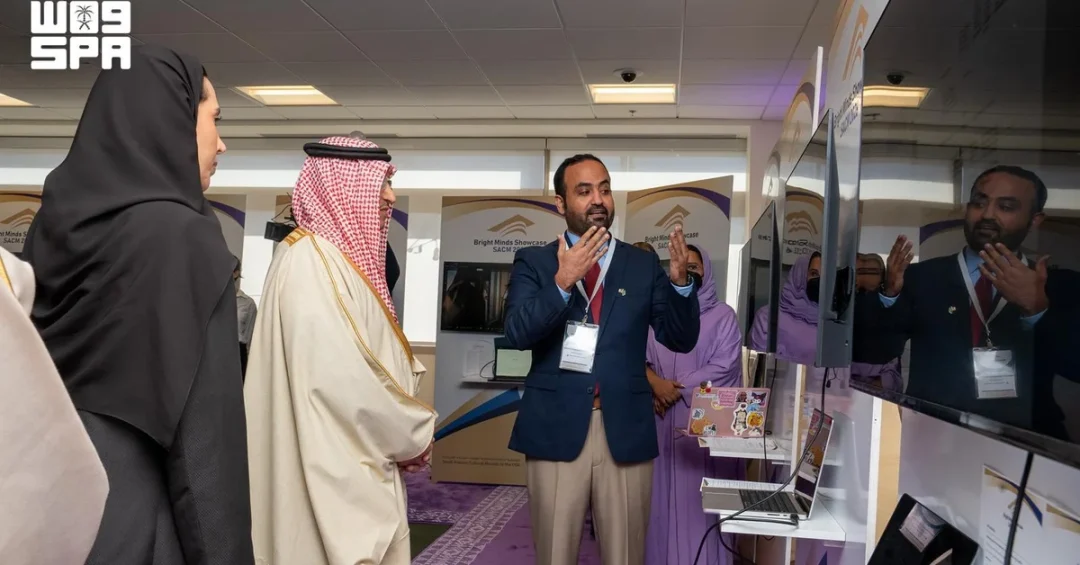
Saudi Minister of Education Yousef Al-Benyan visited an exhibition in Washington, D.C., on November 20, 2026, organized by the Saudi Arabia Cultural Mission to the USA, where he reviewed academic and research projects presented by Saudi students enrolled in American universities and educational institutions. The visit formed part of the minister’s official program in the United States and underscored the Kingdom’s commitment to developing national talent through international scholarship programs. During the tour, Al-Benyan listened to students explain their projects, fields of specialization, areas of interest, and the knowledge and experience they have gained throughout their educational journeys.
How does a single exhibition in Washington reflect the far-reaching ambitions of Saudi Arabia’s human-capital strategy? The event brought together Saudi students from a range of disciplines, showcasing research and innovation that align with national priorities. The minister met with several students and emphasized the importance of leveraging the scholarship experience to develop national capabilities and align academic and research expertise with the Kingdom’s needs. The Saudi Arabia Cultural Mission to the USA organized the exhibition, which served as a platform for students to demonstrate how their studies contribute to Saudi Arabia’s long-term development goals.
Context and Background
What is the strategic significance of Saudi Arabia’s scholarship programs for the Kingdom’s future? For decades, Saudi Arabia has invested heavily in education, sending thousands of students abroad to pursue advanced degrees in fields critical to national development. The Custodian of the Two Holy Mosques Scholarship Program, administered by the Ministry of Education, is a cornerstone of this effort, aiming to build a knowledge-based economy and enhance the Kingdom’s global competitiveness. The Saudi Arabia Cultural Mission to the USA plays a vital role in supporting these students, providing academic guidance, cultural orientation, and logistical assistance throughout their stay in the United States.
Minister Al-Benyan’s visit to Washington reflects the leadership’s ongoing commitment to education as a driver of progress. The exhibition was not merely a showcase of individual achievements but a strategic review of how Saudi students are acquiring expertise that can be applied to Vision 2030 objectives. By engaging directly with students, the minister reinforced the message that their academic pursuits are integral to the nation’s development. The event also highlighted the strong educational ties between Saudi Arabia and the United States, which have fostered collaboration and mutual understanding for generations.
Why does the Kingdom place such emphasis on international education? Saudi Arabia recognizes that global exposure and advanced training are essential for building a diversified economy. The scholarship program targets disciplines such as engineering, medicine, technology, renewable energy, and business, all of which are pivotal to the Vision 2030 agenda. Students are encouraged to return home and contribute their skills to the public and private sectors, driving innovation and economic growth. The Washington exhibition provided a snapshot of this pipeline, demonstrating the caliber of research and the dedication of Saudi scholars.
Key Details
What specific projects and research initiatives were showcased at the exhibition? While the source material does not detail individual projects, the minister reviewed several academic and research endeavors presented by Saudi students. These projects spanned various fields, reflecting the diversity of disciplines pursued by Saudi scholars in the United States. Students explained their areas of specialization and the knowledge gained, underscoring the practical value of their education. The minister’s interactions with the students provided him with firsthand insight into their academic progress and the potential impact of their work on Saudi Arabia’s development.
Minister Al-Benyan emphasized the importance of leveraging the scholarship experience to develop national capabilities. He urged students to align their academic and research expertise with national priorities, ensuring that their studies contribute directly to the Kingdom’s strategic goals. This alignment is a recurring theme in Saudi education policy, which seeks to maximize the return on investment in human capital. The exhibition also allowed the minister to meet with several students informally, discussing their aspirations and challenges. Such engagement demonstrates the Ministry of Education’s commitment to supporting students throughout their educational journeys and beyond.
The Saudi Arabia Cultural Mission to the USA, which organized the event, is an essential arm of the Ministry of Education. It oversees the academic and cultural needs of Saudi students across the United States, facilitating their integration into American campuses while maintaining their connection to Saudi heritage. The exhibition in Washington was a testament to the mission’s efforts to foster a supportive environment for students and to highlight their achievements to a wider audience. By bringing together students, educators, and officials, the event strengthened the network of Saudi talent abroad.
International and Regional Impact
How does Saudi Arabia’s investment in education influence its international standing? The Kingdom’s scholarship programs enhance its soft power and foster people-to-people ties with countries around the world. Saudi students in the United States serve as ambassadors of their culture, building bridges of understanding and cooperation. Their academic successes reflect positively on the Kingdom and reinforce its reputation as a nation committed to progress and modernization. The Washington exhibition, therefore, was not only an academic event but also a diplomatic one, showcasing the best of Saudi youth to an international audience.
Regionally, Saudi Arabia’s emphasis on education and innovation sets a benchmark for other countries in the Middle East. By prioritizing human capital development, the Kingdom is positioning itself as a leader in the knowledge economy. The skills and expertise gained by Saudi students abroad are expected to contribute to regional stability and prosperity, as graduates return to take up key roles in various sectors. The minister’s visit to Washington signals that Saudi Arabia is actively engaged in global education networks and is determined to remain at the forefront of scientific and technological advancement.
Economic and Strategic Significance
What are the economic benefits of Saudi Arabia’s investment in overseas education? The Kingdom views education as a catalyst for economic diversification. By equipping its citizens with advanced skills, Saudi Arabia aims to reduce its dependence on oil and build a sustainable, innovation-driven economy. Graduates of international programs are expected to drive growth in sectors such as technology, healthcare, renewable energy, and tourism. The research projects presented at the Washington exhibition exemplify the kind of cutting-edge work that can translate into economic value and job creation within the Kingdom.
Strategically, the scholarship program supports Vision 2030 by developing a skilled workforce capable of meeting the demands of a rapidly changing global economy. The Ministry of Education works closely with other government entities to ensure that scholarship recipients are placed in fields that align with national priorities. This coordinated approach maximizes the impact of educational investments and ensures that returning graduates can seamlessly integrate into the workforce. The minister’s review of student projects in Washington was part of this ongoing effort to monitor and guide the development of Saudi human capital.
Vision 2030 Alignment
How does the Washington exhibition connect to the broader goals of Vision 2030? Saudi Vision 2030, launched by Crown Prince Mohammed bin Salman, places education and human capital development at its core. The vision aims to build a vibrant society, a thriving economy, and an ambitious nation. By investing in the education of its youth, Saudi Arabia is laying the foundation for a prosperous future. The students who presented their work in Washington are part of a new generation of Saudi leaders, innovators, and problem-solvers who will drive the Kingdom’s transformation.
Minister Al-Benyan’s visit and his interactions with students underscore the Ministry of Education’s commitment to achieving Vision 2030 targets. The exhibition demonstrated that Saudi students are not only acquiring knowledge but also applying it to real-world challenges. Their research and projects reflect the innovative spirit that Vision 2030 seeks to nurture. As these students complete their studies and return home, they will bring with them the expertise and global perspective needed to realize the Kingdom’s ambitious goals. The event in Washington was a clear signal that Saudi Arabia’s future is being built today, through the dedication of its youth and the unwavering support of its leadership.
20 Questions
Q1. What was the purpose of Minister Al-Benyan’s visit to Washington?
A1. Minister Al-Benyan visited Washington as part of an official trip to review academic and research projects by Saudi students at American universities and to emphasize the importance of aligning their education with national priorities.
Q2. Who organized the Saudi students exhibition in Washington?
A2. The exhibition was organized by the Saudi Arabia Cultural Mission to the USA, which supports Saudi students across the United States and facilitates their academic and cultural integration.
Q3. What types of projects were presented at the exhibition?
A3. Saudi students presented a range of academic and research projects across various disciplines, reflecting their fields of specialization and the knowledge gained during their studies in the United States.
Q4. How does the Ministry of Education support Saudi students abroad?
A4. The Ministry of Education, through cultural missions like the one in the USA, provides academic guidance, cultural orientation, and logistical support to ensure students succeed in their studies and maintain ties to Saudi Arabia.
Q5. What did Minister Al-Benyan emphasize to the students?
A5. He emphasized the importance of leveraging their scholarship experience to develop national capabilities and align their academic and research expertise with Saudi Arabia’s national priorities.
Q6. Why is international education important for Saudi Arabia?
A6. International education exposes Saudi students to global best practices and advanced training, which is essential for building a knowledge-based economy and achieving Vision 2030 goals.
Q7. What is the Custodian of the Two Holy Mosques Scholarship Program?
A7. It is a flagship initiative by the Saudi government that sends thousands of Saudi students to top universities worldwide to pursue degrees in fields critical to national development.
Q8. How does the exhibition reflect Saudi Arabia’s commitment to Vision 2030?
A8. The exhibition showcases how Saudi students are acquiring skills and conducting research that directly supports Vision 2030’s objectives of economic diversification and human capital development.
Q9. What fields of study are prioritized for Saudi scholarship students?
A9. Priority fields include engineering, medicine, technology, renewable energy, business, and other disciplines that align with the Kingdom’s strategic needs and Vision 2030.
Q10. How does the Saudi Arabia Cultural Mission support students?
A10. The mission provides academic advising, cultural programs, and assistance with administrative matters, helping students adapt to life in the United States while preserving their Saudi identity.
Q11. What impact do returning graduates have on Saudi Arabia’s economy?
A11. Returning graduates bring advanced skills and global perspectives that drive innovation, entrepreneurship, and productivity across various sectors, contributing to economic diversification and job creation.
Q12. How does the minister’s visit strengthen Saudi-US educational ties?
A12. The visit reinforces collaboration between Saudi and American educational institutions, promotes cultural exchange, and highlights the mutual benefits of academic partnerships.
Q13. What role do Saudi students play as cultural ambassadors?
A13. Saudi students in the United States share their heritage and values with American peers, fostering understanding and positive perceptions of the Kingdom while learning about American culture.
Q14. How does the Ministry of Education measure the success of scholarship programs?
A14. Success is measured by graduation rates, the alignment of graduates’ skills with labor market needs, and their contributions to national development upon returning to Saudi Arabia.
Q15. What are some examples of research areas presented at the exhibition?
A15. While specific projects were not detailed, students presented research in diverse fields such as engineering, health sciences, information technology, and environmental studies, among others.
Q16. How does the exhibition benefit the students themselves?
A16. It provides a platform for students to showcase their work, receive feedback from senior officials, and network with peers and mentors, enhancing their academic and professional development.
Q17. What message does Minister Al-Benyan’s visit send to Saudi students?
A17. It conveys that the Saudi leadership values their efforts and is committed to supporting their education and integrating their talents into the Kingdom’s development plans.
Q18. How does Saudi Arabia ensure that scholarship graduates find suitable employment?
A18. The government collaborates with public and private sector employers to create job opportunities and encourages graduates to contribute to priority sectors aligned with Vision 2030.
Q19. What is the long-term vision for Saudi Arabia’s education sector?
A19. The long-term vision is to create a world-class education system that nurtures creativity, critical thinking, and innovation, producing graduates who can compete globally and drive sustainable development.
Q20. How can international audiences interpret the Washington exhibition?
A20. It demonstrates Saudi Arabia’s proactive approach to education and human capital development, highlighting the Kingdom’s commitment to global engagement and its determination to build a prosperous future through its youth.
Reader Feedback
We value your thoughts. Please share your feedback on this article.
Your feedback helps us improve our coverage.
Related articles
 Saudi Education Minister Witnesses Signing of Nine US Agreements
 King Abdulaziz University Tops Arab World in QS Sustainability 2027
 Saudi Arabia Strengthens Child Protection and Rights
 Najran University Hosts Sports Olympiad for International Students
 Makkah Education Celebrates World Children’s Day with 31,289 Kids
 Taibah University Rises to 164th in Global Science Rankings